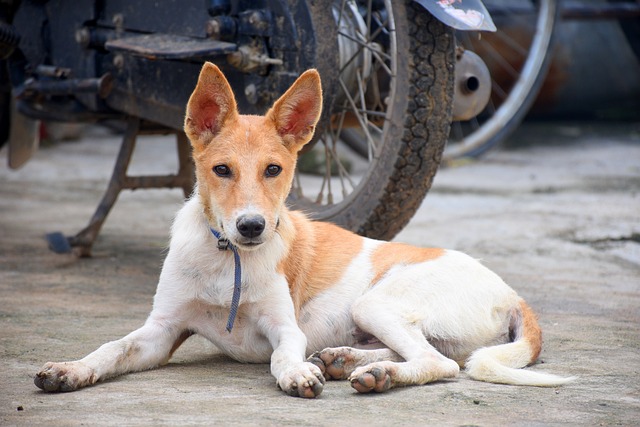
Training a puppy to be gentle is essential for fostering a calm and well-mannered companion. It involves teaching your puppy to control their mouthing, jumping, and overall behavior, ensuring they interact gently with people and other animals.
A key aspect of this training is understanding that puppies are naturally playful and may not realize their strength. Therefore, employing positive reinforcement methods, such as rewarding calm behavior and using commands like ‘gentle,’ is crucial. Additionally, early socialization with different people and animals can help your puppy learn appropriate interactions.
Common mistakes during this training include using harsh corrections, which can lead to fear and anxiety, or failing to reward the desired behavior consistently. It’s important to recognize that patience and consistency are vital in this process, as puppies learn best through repetition and positive experiences.
Understanding Gentle Behavior
To effectively train your puppy to be gentle, it’s important to first understand what gentle behavior looks like. Gentle behavior includes soft mouthing, calm interactions, and controlled excitement when meeting new people or animals. Puppies often display excitement through nipping or jumping, which can be misinterpreted as playfulness rather than a lack of control.
Recognizing the signs of overexcitement is crucial. For instance, a puppy that is too energetic may need to be redirected to a more appropriate activity or given a moment to calm down. Teaching your puppy to recognize their own energy levels will help them learn when to be gentle.
Additionally, using specific commands to guide your puppy’s behavior can reinforce the concept of gentleness. Commands such as ‘gentle’ can be introduced during playtime or feeding, helping your puppy associate the word with calm behavior.
Positive Reinforcement Techniques
Positive reinforcement is one of the most effective methods for training a puppy to be gentle. This technique involves rewarding your puppy for exhibiting the desired behavior, which encourages them to repeat it. Rewards can include treats, praise, or playtime, and should be given immediately after the gentle behavior occurs to create a clear connection.
Start by practicing gentle behavior during play. If your puppy begins to nip or jump, stop the play immediately and redirect their energy to a toy. When they interact with the toy gently, reward them with praise or a treat. This not only reinforces the gentle behavior but also teaches your puppy that being calm leads to positive outcomes.
Consistency is key. Make sure all family members are on the same page regarding training techniques to avoid confusing the puppy. Over time, your puppy will learn that gentle interactions are more rewarding than rough play.
Socialization and Interaction
Socialization is a critical component of training a puppy to be gentle. Exposing your puppy to a variety of environments, people, and animals helps them learn how to behave appropriately in different situations. Start by introducing your puppy to calm, well-mannered dogs and people who can model gentle behavior.
During socialization sessions, monitor your puppy’s interactions closely. If they become too excited or start to nip, calmly redirect them and encourage gentler interactions. Reward them when they respond appropriately to cues from other animals or people.
Additionally, consider enrolling your puppy in a training class where they can learn to interact with other dogs in a controlled environment. This structured socialization will help reinforce gentle behavior and provide valuable experiences.
Common Mistakes to Avoid
While training your puppy to be gentle, it’s important to avoid common pitfalls that can hinder progress. One major mistake is using harsh corrections, which can create fear and anxiety. Instead, focus on redirecting unwanted behavior with positive reinforcement techniques.
Another common mistake is failing to recognize when your puppy is overwhelmed or overstimulated. If your puppy is overly excited, they may struggle to learn or respond to commands. Taking breaks during training sessions can help them regain focus and calm down.
Lastly, inconsistency in training can confuse your puppy. Make sure all family members use the same commands and reward systems to ensure a unified approach to training.
Further Reading
Authoritative Sources
- Puppy Training Tips
akc.orgThis resource provides valuable tips on training puppies effectively, focusing on positive reinforcement methods
- Puppy Training 101
petmd.comOffers an overview of essential training techniques and common behavioral issues in puppies
Frequently Asked Questions
What age should I start training my puppy to be gentle?
Begin training as early as eight weeks old, focusing on gentle interactions and positive reinforcement.
How can I teach my puppy the ‘gentle’ command?
Use treats to reward your puppy when they interact gently and say the command ‘gentle’ consistently during these moments.
What should I do if my puppy bites during play?
Stop play immediately and redirect them to a toy, rewarding them for playing gently instead.
Can I train an older dog to be gentle?
Yes, older dogs can learn new behaviors, though it may take more time and patience compared to puppies.
How long should training sessions be for my puppy?
Keep training sessions short, around 5-10 minutes, to maintain your puppy’s focus and prevent boredom.
Conclusion
In summary, training your puppy to be gentle is a process that requires patience, consistency, and positive reinforcement. By understanding gentle behavior, employing effective training techniques, and avoiding common mistakes, you can foster a well-mannered companion. Prioritize socialization and practice regularly to reinforce gentle interactions. As your puppy learns to navigate their environment with calmness, you’ll enjoy a rewarding and safe relationship with your furry friend.