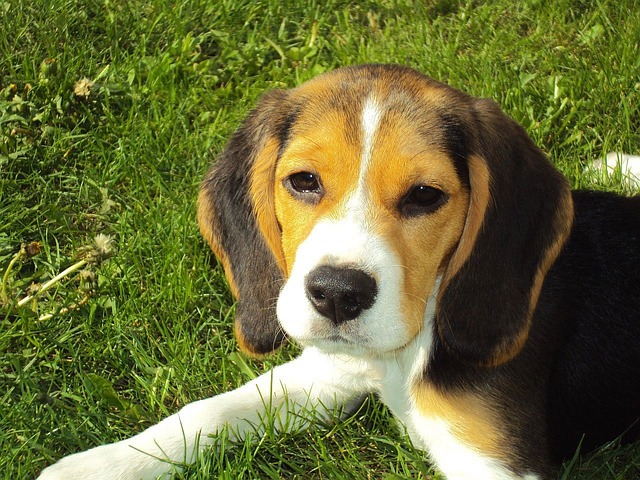
To train a puppy to be alone without anxiety, start by gradually increasing their alone time in a safe, comfortable space. Most people fail due to rushing the process, which can overwhelm the puppy. Realistically, consider your puppy’s age and temperament, as younger or more anxious dogs may need longer acclimatization. Begin by leaving them alone for short periods while providing a favorite toy or treat, gradually extending the time as they become more comfortable.
Understanding the reasons behind your puppy’s anxiety is crucial. Puppies often feel insecure when separated from their owners, leading to destructive behaviors or excessive barking. By creating positive associations with being alone, you help them feel secure. For instance, using puzzle toys filled with treats can keep them engaged and provide mental stimulation while you’re away.
Another common mistake is neglecting to establish a consistent routine. Puppies thrive on predictability, so set a schedule for playtime, feeding, and alone time. This consistency helps them understand what to expect, reducing anxiety. Additionally, avoid making a big fuss when leaving or returning home, as this can heighten their anxiety. Instead, keep departures and arrivals low-key.
Understanding Puppy Separation Anxiety
Puppy separation anxiety arises from fear of being alone, often resulting in distressing behaviors. Recognizing the signs, such as whining, barking, or destructive chewing, is essential to address the issue effectively. Understanding that your puppy’s anxiety is not a reflection of poor training but rather a natural emotional response can help you approach the training process with empathy.
Many owners mistakenly believe that their puppy will simply adjust over time. However, without intervention and training, these behaviors can worsen. It’s vital to acknowledge that some breeds are more predisposed to separation anxiety, so tailor your approach based on your puppy’s needs.
Prioritizing socialization can help mitigate anxiety. Expose your puppy to different environments, people, and other animals to build their confidence. The more experiences they have, the better equipped they will be to handle being alone.
Gradual Acclimatization Techniques
Acclimatization is key to helping your puppy learn to be alone. Start by leaving your puppy in a designated area for short periods, gradually increasing the duration as they become accustomed. Use engaging toys or treats to distract them during these periods. This technique reinforces the idea that being alone can be enjoyable.
Some owners make the mistake of leaving their puppy alone for too long too quickly. It’s essential to monitor their behavior during these trials. If your puppy shows signs of distress, reduce the duration and try again. Remember, patience and consistency are crucial in this process.
Another effective method is to incorporate ‘alone time’ into play. For instance, during playtime, intermittently leave the room for a few moments. This helps your puppy learn that your absence is temporary and that they can remain calm while you’re away.
Creating a Safe Space
A safe space is vital for your puppy’s comfort when alone. Designate a cozy area with their bed, toys, and water. This space should be free from distractions that could lead to anxiety, such as loud noises or other pets. You can also use calming aids, such as pheromone diffusers, to create a soothing environment.
Many owners overlook the importance of a safe space, believing that their puppy should adapt anywhere. However, providing a consistent environment helps reinforce security. Ensure the area is comfortable and inviting, making it a place your puppy associates with relaxation.
Consider using crate training to establish a sense of safety. A properly sized crate can become a den-like space for your puppy, where they feel secure. Introduce the crate gradually, using treats and praise to create positive associations.
Establishing a Routine
Establishing a routine is crucial for reducing separation anxiety in puppies. A consistent schedule for feeding, play, and alone time helps your puppy know what to expect. This predictability can significantly reduce anxiety levels.
Many owners fail to create routines, leading to confusion and insecurity for their puppies. Without a clear structure, puppies may become anxious and restless, resulting in unwanted behaviors. Prioritize setting a daily schedule and stick to it as closely as possible.
Incorporate training sessions into your routine to reinforce good behavior. Regular training not only strengthens your bond but also builds your puppy’s confidence, making them more resilient to being alone.
Frequently Asked Questions
What age can I start training my puppy to be alone?
You can begin training as early as 8 weeks old, but it’s essential to keep sessions short and positive.
How long should I leave my puppy alone?
Start with short periods of 10-15 minutes, gradually increasing the time as your puppy becomes more comfortable.
What should I do if my puppy cries when left alone?
If your puppy cries, it may be a sign of anxiety. Return to them, comfort them briefly, and try again with shorter durations.
Are there any products that can help with separation anxiety?
Yes, calming aids like pheromone diffusers and anxiety wraps can help soothe your puppy.
How do I know if my puppy has separation anxiety?
Signs include excessive barking, destructive behavior, and difficulty settling down when left alone.
Conclusion
Training your puppy to be alone without anxiety is a gradual process that requires patience and consistency. Start with short periods, create a safe space, and establish a routine to help your puppy feel secure. Recognizing signs of anxiety and addressing them promptly will lead to a more confident and well-adjusted dog. Keep reinforcing positive behaviors, and over time, your puppy will learn that being alone is not something to fear.