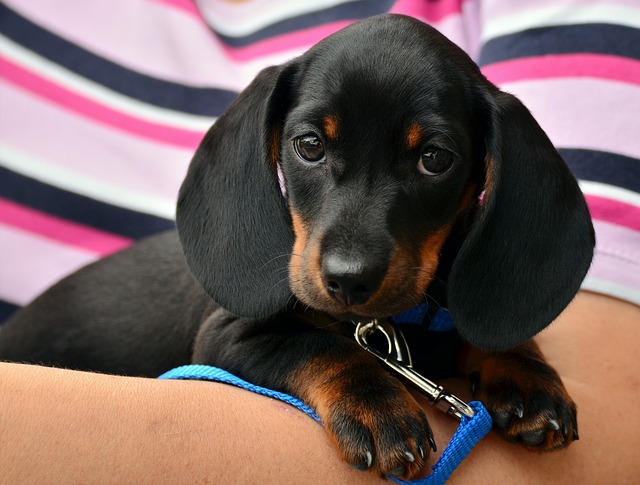
To train a puppy to be alone without anxiety, start by gradually increasing the time your puppy spends alone in a safe space. Use positive reinforcement to reward calm behavior and avoid punishment, as this can heighten anxiety. Consistency and patience are key to ensuring your puppy feels secure when left alone.
Training a puppy to be alone without anxiety is crucial for both the pet and the owner. A well-adjusted puppy can spend time alone without stress, which is essential for a harmonious household. Many first-time dog owners encounter challenges in this area, leading to behaviors such as excessive barking or destructive chewing when their pet is left unattended. Understanding the root of these behaviors and implementing a structured training approach can significantly improve your puppy’s comfort levels.
Common mistakes include rushing the process or inadvertently reinforcing anxious behaviors. Puppies thrive on routine and need time to adjust to being alone. It’s essential to create a positive association with solitude, which can be achieved through gradual desensitization. This means slowly increasing the duration your puppy spends alone while ensuring they feel safe and secure.
Understanding Puppy Anxiety
Puppy anxiety can stem from various factors such as early separation from their litter, lack of socialization, or even changes in their environment. Recognizing the signs of anxiety is the first step towards addressing the issue. Symptoms may include whining, barking, pacing, or destructive behavior. Understanding these signs allows you to tailor your training approach effectively.
Many owners mistakenly believe that their puppy will simply grow out of these behaviors without intervention. However, early training is crucial to prevent these issues from escalating into more severe anxiety disorders. The longer anxiety goes unaddressed, the more ingrained the behavior can become, making it harder to correct later on.
Creating a Safe Space
Establishing a designated area for your puppy to stay when alone can provide them with a sense of security. This space should be comfortable and filled with their favorite toys and bedding. A crate can be an effective tool if used correctly, as it mimics a den-like environment that many dogs find comforting.
When creating this space, consider the puppy’s needs for comfort and safety. Avoid placing them in an area where they feel isolated or exposed to too much noise. A well-prepared environment can significantly ease their anxiety and help them feel more secure when left alone.
Gradual Desensitization Techniques
Desensitization involves slowly acclimating your puppy to being alone. Start with short periods of separation and gradually increase the time as your puppy becomes more comfortable. Begin by leaving the room for just a few minutes, then return and reward your puppy for being calm.
As your puppy shows progress, incrementally extend the duration of your absences. This method helps them learn that you will always return, thus reducing anxiety over time. It’s vital to remain calm and composed during this process, as your emotions can influence your puppy’s feelings.
Positive Reinforcement Strategies
Using positive reinforcement is essential in training your puppy to be alone without anxiety. Rewarding your puppy for calm behavior during your departures and arrivals helps create a positive association with being left alone. Treats, praise, and toys can all serve as effective rewards.
Implementing a consistent routine for feeding, walks, and alone time can also reinforce a sense of security. Puppies thrive on predictability, and knowing what to expect can alleviate their anxiety. Avoid punishing your puppy for anxious behaviors, as this can exacerbate the problem and lead to further stress.
Common Mistakes to Avoid
Many owners inadvertently reinforce negative behaviors by overreacting to their puppy’s anxiety. For example, if you give extra attention when your puppy whines, they may learn that this behavior gets them what they want. Additionally, rushing the training process can lead to setbacks.
It’s crucial to recognize that every puppy is different, and some may take longer than others to adjust. Patience and consistency are key. Remember to celebrate small victories along the way, as these will build your puppy’s confidence and reinforce positive behaviors.
Further Reading
For additional resources on puppy training and anxiety management, consider visiting reputable dog training websites or consulting with a professional trainer who specializes in behavioral issues. These resources can offer valuable insights and strategies tailored to your puppy’s specific needs.
Further Reading
Authoritative Sources
- The Importance of Teaching Your Puppy How to Be Alone
akc.orgStart by teaching your puppy to be alone while you are in the house. A safe confinement area, like an exercise pen or crate, is perfect for this purpose.
- Separation Anxiety
aspca.orgIn these cases, it's crucial to gradually accustom a dog to being alone by starting with many short separations that do not produce anxiety and then gradually …
- Leaving your dog home alone (a guilt-free guide)
animalhumanesociety.orgHire a dog walker, even a day or two per week · Doggy day care (one time a week can make a difference) · Provide mentally stimulating toys such as treat puzzles …
- Preventing separation anxiety in puppies
bluecross.org.ukPut a comfortable bed and water in the room you choose. Chew toys can also help to occupy your puppy during training sessions. Putting an item …
- How to Train Your Dog to Stay Home Alone
rspca.org.ukStart by encouraging your dog to go to their bed and stay there with you present for a short while. · Next, ask your dog to stay in their bed as you move away, …
- Ready.gov
ready.govOfficial U.S. preparedness guidance, checklists, and planning resources for households and emergencies.
- FEMA
fema.govFederal emergency management resources, disaster planning information, and recovery guidance.
Frequently Asked Questions
How long can a puppy be left alone?
Generally, puppies can be left alone for one hour per month of age, up to a maximum of about four to six hours. However, this varies based on the individual puppy’s temperament and training.
What are signs that my puppy has separation anxiety?
Signs include excessive barking, whining, destructive behavior, and attempts to escape. If your puppy shows these signs consistently when left alone, they may have separation anxiety.
Can I use a crate for training?
Yes, a crate can be a helpful tool for training if used properly. It should be a safe space where your puppy feels comfortable, not a place of punishment.
How can I help my puppy feel secure when alone?
Creating a safe space, using positive reinforcement, and gradually increasing alone time can help your puppy feel more secure. Providing toys and comfort items can also help.
What if my puppy’s anxiety doesn’t improve?
If your puppy’s anxiety persists despite your efforts, consider consulting a professional dog trainer or a veterinarian for additional strategies and support.
Conclusion
Training your puppy to be alone without anxiety requires patience, consistency, and a structured approach. Focus on creating a secure environment, using positive reinforcement, and gradually desensitizing your puppy to separation. Remember to avoid common pitfalls that can exacerbate anxiety. By prioritizing your puppy’s comfort and well-being, you’ll foster a confident and well-adjusted canine companion ready to handle alone time.