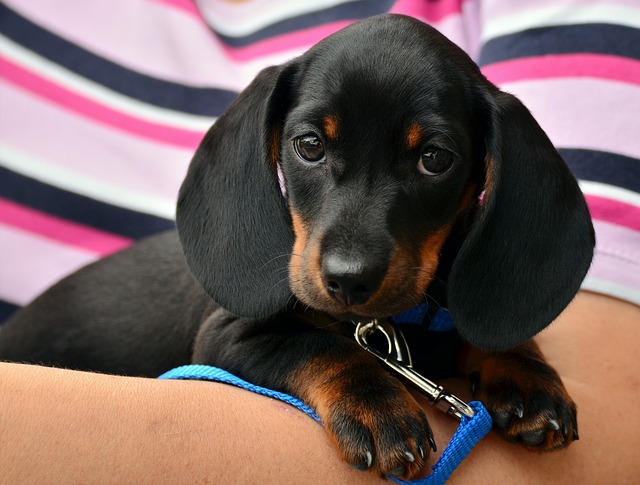
Training a puppy to be alone is crucial to preventing separation anxiety, which many puppies experience when left alone unexpectedly. The key is to gradually acclimate your puppy to being alone, allowing them to feel secure in their environment.
Many owners mistakenly assume that leaving their puppy alone for long periods will help them adjust, but this can backfire and increase anxiety. Prioritize a consistent routine, as this can help your puppy understand when they will be alone and when you will return.
Understanding Separation Anxiety in Puppies
Separation anxiety is a common issue in puppies, often triggered by sudden changes in their environment or routine. Puppies may become anxious when they are left alone, leading to destructive behaviors or excessive barking. Recognizing the signs of separation anxiety early can help you address the issue effectively. Symptoms include whining, pacing, and attempts to escape.
To combat separation anxiety, it is vital to understand that building independence in your puppy takes time. Puppies thrive on routine and predictability, so maintaining consistent schedules for feeding, playtime, and alone time is essential. Understanding your puppy’s triggers can help you implement effective training strategies.
Steps to Train Your Puppy to Be Alone
Training your puppy to be alone should be a gradual process. Begin by creating a comfortable and secure environment for your puppy. Start with short periods of separation, such as a few minutes, and gradually increase the duration as they become more comfortable. Use positive reinforcement, such as treats or praise, when your puppy remains calm during these periods.
Introduce engaging toys or puzzles that can keep your puppy occupied while they are alone. This not only distracts them but also helps create a positive association with being on their own. Additionally, practice leaving and returning home calmly to avoid creating anxiety around your departures.
Common Mistakes to Avoid
Many puppy owners make the mistake of rushing the training process, leaving their puppy alone for too long too soon. This can lead to increased anxiety and behavioral issues. Another common error is making a big fuss when leaving or returning, which can make your puppy more anxious. Instead, keep your departures and arrivals low-key.
Additionally, avoid punishing your puppy for behaviors related to anxiety, as this can worsen the issue. Focus on positive reinforcement and patience as your puppy learns to be alone. If your puppy shows signs of distress, consider shortening the time they are left alone and gradually increasing it again.
Creating a Safe Space for Your Puppy
Establishing a safe space for your puppy can significantly reduce anxiety. This area should be comfortable, quiet, and free of distractions. Use a crate or a designated room where your puppy feels secure. Add their favorite toys, bedding, and water to make it inviting.
Ensure that this space is associated with positive experiences, such as feeding or playtime, to help your puppy feel more comfortable when left alone. Gradually introduce your puppy to this space, allowing them to explore it while you are present before leaving them alone.
For more on How to Train a Puppy to Be Alone, consult authoritative sources such as the American Kennel Club (AKC) training guides, the American Veterinary Medical Association (AVMA), and the ASPCA. These references provide detailed explanations and step-by-step techniques to reinforce the commands and training discussed here.
Frequently Asked Questions
What age can I start training my puppy to be alone?
You can start training your puppy to be alone as early as 8 weeks old, but ensure to keep the initial separations brief.
How long can a puppy be left alone?
Generally, a puppy can be left alone for about one hour for each month of age, up to a maximum of 4-6 hours for older puppies.
What are signs of separation anxiety in puppies?
Signs of separation anxiety include excessive barking, whining, destructive behavior, and attempts to escape.
Should I use a crate to train my puppy?
Yes, using a crate can provide a safe space for your puppy and help them feel secure when alone.
How can I make my puppy feel more comfortable being alone?
Provide engaging toys, create a cozy space, and gradually increase the time they are left alone to help them feel more comfortable.
Conclusion
Training a puppy to be alone is an essential part of their development and can prevent future behavioral issues. Start by gradually increasing their alone time, creating a safe and positive environment, and avoiding common mistakes that can exacerbate anxiety. With patience and consistency, your puppy will learn to feel secure when alone, leading to a happier and healthier pet.