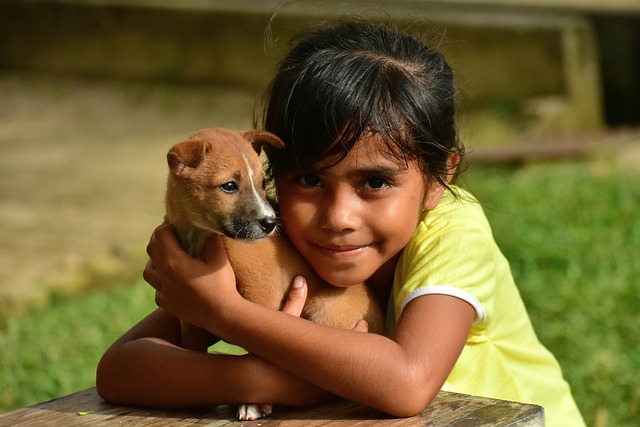
The real challenge isn't understanding stop the nibbles: your essential guide on how to train a puppy not to bite during play — it's what happens when small oversights, weak priorities, or real-world constraints start compounding.
Establishing a no-bite rule during playtime is crucial for a well-behaved puppy. Training them not to bite requires understanding their natural instincts and redirecting their energy appropriately. The goal is to create a playful environment that prioritizes safety and enjoyment for both you and your puppy.
Many new puppy owners overlook the significance of teaching bite inhibition early on. Without proper guidance, puppies can develop a habit of biting that extends beyond play and into daily interactions. This can lead to painful experiences for both the puppy and the owner. Recognizing the early signs of excitement or overstimulation can help you intervene before biting becomes a problem.
Understanding Puppy Play Behavior
Puppies are naturally inclined to explore the world through their mouths, which includes biting and nipping during play. Understanding this behavior is essential for effective training. Puppies often bite to communicate, express excitement, or even seek attention. Recognizing these triggers can help you anticipate and manage their behavior.
The common mistake is to assume all biting is aggressive or undesirable. In fact, puppies use their mouths much like human children use their hands. They may not understand the difference between playful nips and aggressive bites. Therefore, it’s crucial to differentiate between normal play behavior and biting that could lead to injury.
Establishing Boundaries
Setting clear boundaries is vital in teaching your puppy not to bite. This involves establishing rules that are consistent and easy for your puppy to understand. Using a firm but calm voice, say “no” or “ouch” when your puppy bites too hard. This signals to them that their behavior is unacceptable.
Consistency is key. If you allow biting at times and not at others, your puppy will become confused about what is acceptable. Incorporate time-outs when your puppy bites too hard; simply walk away from the play session for a moment to show them that biting leads to the end of fun. This teaches them that their actions have consequences.
Positive Reinforcement Techniques
Positive reinforcement is one of the most effective training methods. When your puppy plays without biting, reward them with praise or treats. This encourages them to repeat the desirable behavior. Recognizing and rewarding good behavior helps reinforce the idea that playtime can be fun without the need for biting.
Be mindful of your tone and body language. Puppies are sensitive to cues from their owners. Celebrating non-biting interactions with enthusiasm can help your puppy associate playtime with positive experiences. Avoid harsh punishments, as these can lead to fear and anxiety, making the problem worse.
Redirecting Energy with Toys
Providing appropriate chew toys is essential for redirecting your puppy’s biting instincts. When your puppy attempts to bite during play, immediately offer them a toy instead. This not only distracts them but also teaches them what is acceptable to chew on.
Choosing the right toys is important. Look for durable, engaging toys that can withstand a puppy’s chewing. Rotate toys regularly to keep your puppy interested and engaged. This can help reduce the urge to bite during play with you or others.
Further Reading
Authoritative Sources
- American Kennel Club
akc.orgTrusted dog training, behavior, breed, and puppy care guidance.
- American Veterinary Medical Association
avma.orgVeterinary guidance and animal health resources from a major professional association.
- ASPCA Pet Care
aspca.orgAnimal care, behavior, and safety resources for pet owners.
- Merck Veterinary Manual
merckvetmanual.comDetailed veterinary reference material on animal conditions, care, and treatment topics.
- AAHA for Pet Owners
aaha.orgPet owner guidance from the American Animal Hospital Association.
Frequently Asked Questions
What age should I start training my puppy not to bite?
Start training as soon as you bring your puppy home, ideally around 8 weeks old, to establish good habits early.
Can I use punishment to stop biting?
Avoid harsh punishment; instead, focus on redirecting behavior and using positive reinforcement to encourage good habits.
How do I know if my puppy’s biting is aggressive?
Watch for signs of stress or fear; if the biting is accompanied by growling or stiff body language, consult a professional trainer.
Are some breeds more prone to biting?
All puppies can bite, but certain breeds may have stronger instincts. Understanding your puppy’s breed can help tailor your training approach.
What should I do if my puppy bites a child?
Immediately intervene, calmly separate them, and reinforce training commands. Teach children to interact gently and avoid rough play.
Conclusion
Training your puppy not to bite during play is a crucial part of their development. By establishing clear boundaries, using positive reinforcement, and redirecting their energy towards appropriate toys, you can foster a safe and enjoyable environment for both of you. Stay consistent in your approach and be patient; with time, your puppy will learn to play without biting, leading to a happier relationship.