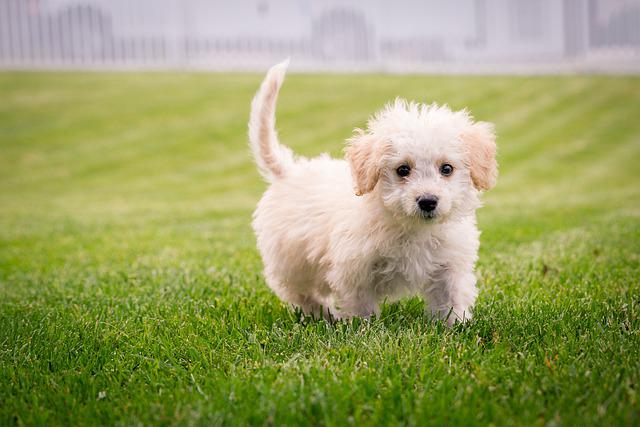
The real challenge isn't understanding essential techniques for early puppy training: how to train a puppy before 12 weeks for lifelong good behavior — it's what happens when small oversights, weak priorities, or real-world constraints start compounding.
Many new puppy owners underestimate the importance of early training, often believing that behavior issues can be addressed later. However, this assumption can lead to challenges down the road. Puppies that miss early training opportunities may develop habits that are harder to correct, leading to frustration for both the owner and the pet. Thus, understanding the stakes involved in early training can guide your approach and help you avoid common pitfalls.
Understanding Puppy Development Stages
During the first 12 weeks, puppies undergo significant developmental changes. This period is often referred to as the critical socialization window, where their experiences can shape their behavior for life. By exposing your puppy to various environments, people, and other animals, you help them develop confidence and adaptability.
Failing to socialize your puppy adequately can lead to fearfulness or aggression later in life. Prioritize positive experiences during this stage, as negative encounters can have lasting effects. Use this time wisely, as the impressions made now will be foundational for your puppy’s future interactions.
Key Training Techniques
Effective training methods are vital for instilling good behavior in your puppy. Focus on using positive reinforcement, such as treats or praise, to encourage desired behaviors. Simple commands like ‘sit’, ‘stay’, and ‘come’ should be introduced during this time, as they form the basis for further training.
Many owners make the mistake of using harsh corrections, which can lead to fear and anxiety in puppies. Instead, emphasize rewarding good behavior and redirecting undesirable actions. Consistency is key; ensure that all family members use the same commands and rewards to avoid confusing your puppy.
Socialization: The Missing Link
Socialization is not just about exposing your puppy to other dogs; it’s about introducing them to a variety of experiences, sounds, and environments. This exposure helps prevent behavioral issues stemming from fear or anxiety as they grow older. Take your puppy on car rides, to parks, and around different people to create a well-rounded individual.
It’s important to balance socialization with safety. Ensure that your puppy is fully vaccinated before engaging in activities with other dogs to prevent illness. Controlled environments, such as puppy classes, can provide safe socialization opportunities while also reinforcing training.
Common Mistakes to Avoid
Many new puppy owners fall into common traps that hinder effective training. One prevalent mistake is failing to establish a routine, which can confuse your puppy and lead to accidents in the house. Consistent feeding, bathroom breaks, and training sessions help your puppy learn what is expected of them.
Another mistake is neglecting to adjust training techniques based on your puppy’s personality and learning pace. Some puppies may require more patience and different approaches to grasp commands. Always observe your puppy’s reactions and adapt your methods accordingly.
Further Reading
For those looking to dive deeper into puppy training, consider exploring resources from reputable organizations such as the American Kennel Club or the Association of Professional Dog Trainers. These resources provide valuable insights and techniques to enhance your training experience.
Further Reading
Authoritative Sources
- Investopedia
investopedia.comClear explanations of investing, finance, markets, and personal money decisions.
- SEC Investor Resources
sec.govOfficial investor education and securities-related guidance from the U.S. Securities and Exchange Commission.
- Internal Revenue Service
irs.govOfficial tax guidance, forms, and compliance information.
- Consumer Financial Protection Bureau
consumerfinance.govConsumer guidance on credit, debt, lending, and financial products.
- U.S. Small Business Administration
sba.govBusiness planning, funding, and operational guidance for small businesses.
Frequently Asked Questions
What are the first commands I should teach my puppy?
Start with basic commands like ‘sit’, ‘stay’, and ‘come’. These form the foundation for more advanced training.
How often should I train my puppy?
Short, frequent training sessions of 5-10 minutes a few times a day are more effective than longer sessions.
Is it too late to train my puppy after 12 weeks?
While early training is ideal, it’s never too late to teach your puppy new commands and behaviors.
What should I do if my puppy is not responding to training?
Evaluate your training methods; ensure you are using positive reinforcement and consider consulting a professional trainer if needed.
How can I help my puppy with socialization?
Expose your puppy to different environments, people, and animals safely and positively to enhance their social skills.
Conclusion
In summary, training your puppy before 12 weeks is a critical investment in their future behavior and well-being. Focus on establishing a routine, using positive reinforcement, and exposing them to various experiences. By prioritizing these elements, you’ll set the stage for a happy, well-adjusted companion. Remember, consistency and patience are key; the effort you put in now will pay off in the long run.