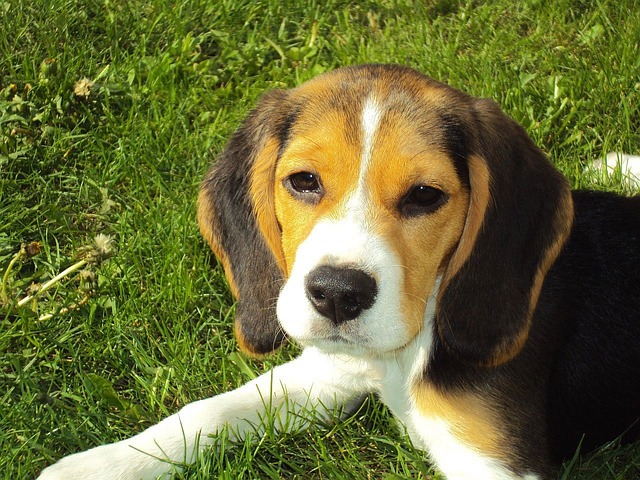
Training a hyper puppy to calm down involves consistent techniques such as establishing a routine, using positive reinforcement, and engaging in regular exercise. Addressing hyperactivity early can prevent behavioral problems and foster a more relaxed demeanor over time.
Understanding the underlying causes of hyperactivity is crucial. Factors such as breed tendencies, lack of mental stimulation, and insufficient exercise can contribute to a puppy’s hyper behavior. It’s important to recognize that hyperactivity is often a natural stage in a puppy’s development, and with patience and the right strategies, you can guide them toward a calmer state.
Establishing a Routine
Creating a structured daily routine is essential for helping your hyper puppy calm down. A predictable schedule for feeding, walks, playtime, and training sessions provides stability and helps your puppy learn when to expect different activities. This consistency can significantly reduce anxiety and hyperactive behavior.
Consider implementing specific time blocks for each activity. For instance, designate morning hours for vigorous play and afternoon for training exercises. This allows your puppy to anticipate their day, reducing uncertainty and helping them settle down during quieter times. Additionally, maintain a consistent bedtime to promote restful sleep, which is vital for a puppy’s overall mood and behavior.
Positive Reinforcement Techniques
Using positive reinforcement is one of the most effective ways to train a hyper puppy. Rewarding calm behavior with treats, praise, or play can reinforce the desired actions. This method encourages your puppy to repeat calm behaviors in the future.
Start by rewarding your puppy for short periods of calmness. Gradually increase the duration of the calm behavior required before providing a reward. Avoid using negative reinforcement, as it can lead to fear and anxiety, further exacerbating hyperactivity. Instead, focus on redirecting hyper behavior into appropriate channels, rewarding them when they exhibit calmness during play or rest periods.
Engaging in Regular Exercise
Regular exercise is crucial for managing a hyper puppy’s energy levels. Physical activity helps burn off excess energy, making it easier for your puppy to relax. Aim for multiple sessions of structured exercise daily, tailored to your puppy’s breed and energy level.
Incorporate different types of activities, such as walks, playtime in the yard, and interactive games like fetch or tug-of-war. Mental stimulation is also important; consider puzzle toys or training games that challenge your puppy’s mind. A well-exercised puppy is often a calmer puppy, so prioritize a balanced mix of physical and mental activities.
Common Mistakes to Avoid
When training a hyper puppy, there are several common mistakes to avoid. One major pitfall is inconsistency in training methods. Ensure that all family members are on the same page regarding commands and reinforcement techniques to prevent confusion.
Another mistake is neglecting to provide enough physical and mental stimulation. A bored puppy is more likely to engage in hyperactive behaviors. Finally, avoid punishing hyperactivity; instead, focus on redirecting and rewarding calm behavior. Understanding these pitfalls can help you create a more effective training strategy.
Further Reading
Authoritative Sources
- American Kennel Club
akc.orgAn excellent resource for dog training techniques and behavioral advice
- ASPCA
aspca.orgOffers insights on puppy care, training, and behavioral issues
- PetMD
petmd.comProvides articles on puppy training and health, including hyperactivity solutions
- Humane Society
humanesociety.orgIncludes tips on training and understanding dog behavior
Frequently Asked Questions
What are the signs of a hyper puppy?
Signs include excessive barking, jumping, inability to settle down, and constant movement.
How long does it take to train a hyper puppy?
Training duration varies, but consistency over several weeks is typically required to see significant changes.
Can diet affect a puppy’s energy levels?
Yes, a balanced diet can influence energy levels; avoid high-sugar foods that may increase hyperactivity.
Should I hire a professional trainer for my hyper puppy?
A professional trainer can provide tailored guidance, especially if you struggle with training techniques.
What is the best age to start training a puppy?
Start training as early as 8 weeks old to establish good behaviors from the beginning.
Conclusion
Training a hyper puppy to calm down is a process that requires patience, consistency, and understanding. By establishing a routine, utilizing positive reinforcement, and ensuring adequate exercise, you can effectively manage hyperactivity. Avoid common mistakes such as inconsistency in training methods and neglecting mental stimulation. Focus on rewarding calm behavior and redirecting hyperactivity to foster a more relaxed and well-behaved puppy. Prioritize these strategies, and you’ll likely see significant improvements in your puppy’s demeanor over time.