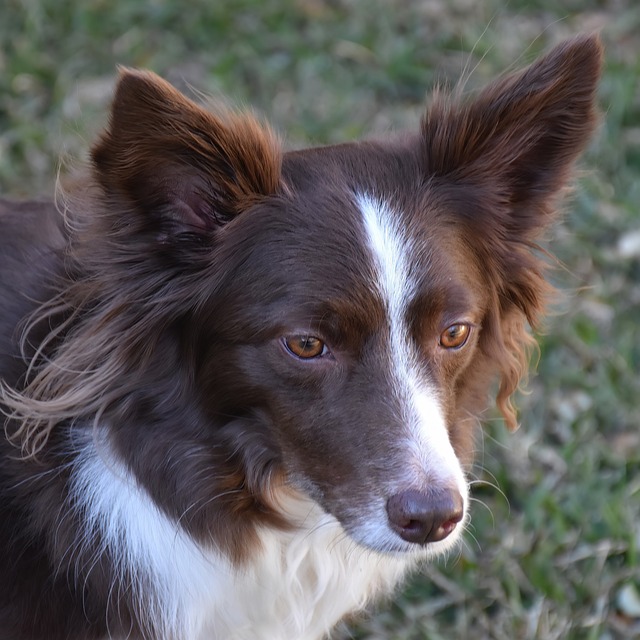
Training a 3-month-old puppy at home is crucial for establishing good behavior and communication. At this age, puppies are highly receptive to learning, making it an ideal time to start teaching them essential commands such as sit, stay, and come.
One of the first steps in training is to create a consistent routine that includes regular training sessions. Short, frequent sessions are more effective than long, infrequent ones. This approach helps maintain your puppy’s attention and enthusiasm. Additionally, understanding common mistakes, such as being inconsistent with commands or using negative reinforcement, can help you avoid pitfalls that hinder your puppy’s progress.
Setting Up for Success: The Right Environment
Creating a conducive environment for training is essential. Ensure that your training space is free from distractions, allowing your puppy to focus on learning. Use a quiet room or an outdoor area with minimal noise and movement. This will enable your puppy to concentrate better during training sessions.
Additionally, having the right tools can make a significant difference. Use a comfortable collar or harness, a leash for outdoor training, and plenty of treats as rewards. Setting up your environment properly not only facilitates better learning but also helps your puppy associate training with positive experiences.
Key Commands to Teach Your Puppy
Focusing on essential commands is vital for effective training. Start with basic commands like sit, stay, come, and down. These commands lay the foundation for more complex training in the future. Teaching these commands can help establish control and communication between you and your puppy.
When teaching each command, use clear, consistent verbal cues and hand signals. For example, when teaching ‘sit’, hold a treat above your puppy’s nose and move it slowly back over their head. As they sit to reach the treat, say ‘sit’ and reward them immediately. This method reinforces the behavior you want to encourage.
Using Positive Reinforcement Effectively
Positive reinforcement is a powerful tool in training. It involves rewarding desired behaviors to encourage their repetition. Treats, praise, and playtime can all serve as effective rewards. The key is to reward your puppy immediately after they perform the desired action, reinforcing the connection between the behavior and the reward.
Consistency is crucial when using positive reinforcement. Ensure that everyone in your household uses the same commands and rewards style to avoid confusing your puppy. Over time, your puppy will learn to associate specific actions with positive outcomes, making training smoother and more effective.
Common Training Mistakes to Avoid
While training, it’s easy to fall into common traps that can hinder your puppy’s progress. One major mistake is inconsistent commands or rewards. If you reward your puppy for sitting one day but scold them the next for the same behavior, it creates confusion. Always be consistent in your approach.
Another mistake is expecting too much too soon. Puppies have short attention spans, so training sessions should be kept short and engaging. If your puppy seems disinterested or frustrated, take a break and try again later. Patience is key in the training process.
Further Reading
Authoritative Sources
- American Kennel Club
akc.orgTrusted dog training, behavior, breed, and puppy care guidance.
- American Veterinary Medical Association
avma.orgVeterinary guidance and animal health resources from a major professional association.
- ASPCA Pet Care
aspca.orgAnimal care, behavior, and safety resources for pet owners.
- Merck Veterinary Manual
merckvetmanual.comDetailed veterinary reference material on animal conditions, care, and treatment topics.
- AAHA for Pet Owners
aaha.orgPet owner guidance from the American Animal Hospital Association.
Frequently Asked Questions
What age is best to start training a puppy?
The best age to start training a puppy is around 8 weeks, but 3 months is still a great time to reinforce and build on basic commands.
How long should training sessions be for a puppy?
Training sessions should last about 5-10 minutes for puppies, as they have short attention spans.
Can I train my puppy without treats?
Yes, you can use praise, toys, or playtime as rewards, but treats are often the most effective for motivation.
How do I correct bad behavior in my puppy?
Redirect the behavior to a positive action and reward that instead. Avoid harsh corrections as they can harm your relationship.
Is it too late to train my puppy?
It’s never too late to train a puppy; however, early training is often easier and more effective.
Conclusion
Training your 3-month-old puppy at home requires consistency, patience, and the right techniques. Focus on establishing a structured routine, using positive reinforcement, and teaching essential commands to build a strong foundation for your puppy’s behavior. Avoid common mistakes and remember that each puppy learns at their own pace. By prioritizing these elements, you can foster a well-behaved and responsive companion.