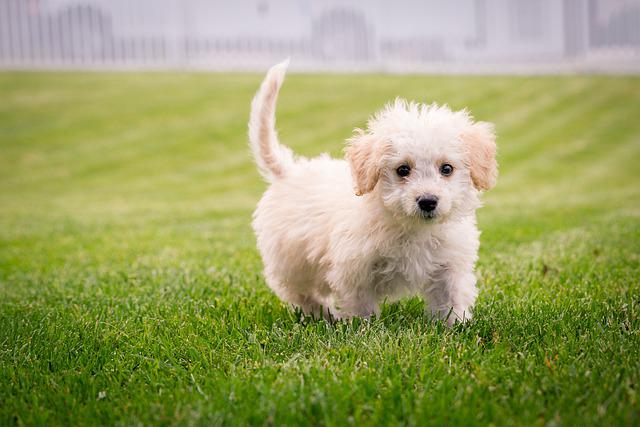
Teaching your puppy gentle play behavior is crucial for ensuring safe and enjoyable interactions with both people and other pets. This involves encouraging calmness during playtime while discouraging rough or aggressive behavior. By utilizing positive reinforcement strategies, you can guide your puppy towards the type of play that is appropriate and safe.
One common mistake many puppy owners make is allowing rough play to become a habit. Puppies, especially those with high energy, can easily become overly excited, leading to biting or jumping. It’s essential to recognize the signs of escalating excitement and intervene before it leads to unwanted behavior. Redirecting their focus to toys or engaging in calmer activities can help establish boundaries.
Understanding Puppy Play Behavior
Puppies play to learn social skills, develop coordination, and expend energy. Understanding the dynamics of puppy play is essential for guiding them towards gentle behaviors. Playful interactions can include chasing, wrestling, or tugging, but they should not escalate into biting or aggression. Recognizing the difference between normal play and aggressive behavior is key to fostering a safe environment.
Observing how your puppy interacts with other dogs can provide insights into their play style. Puppies often mimic behaviors they see in their peers, so if they witness rough play, they may adopt similar actions. By encouraging gentle play with other dogs, you can help them learn appropriate boundaries and actions.
Techniques for Encouraging Gentle Play
To foster gentle play behavior, start by using toys that promote calm interaction. Soft toys, chew bones, and interactive puzzles can keep your puppy engaged without encouraging roughness. When play becomes too intense, calmly redirect their attention to a toy or a different activity. Praise and reward them when they exhibit gentle behavior, reinforcing the positive actions you want to see.
Consistency in your approach is essential. Make sure everyone in your household is on the same page regarding playtime rules. If a puppy learns that rough play is acceptable with one person but not another, it can create confusion. Establishing clear boundaries and expectations will help your puppy understand what is acceptable.
Common Mistakes to Avoid
One significant mistake is using physical punishment to correct unwanted behavior. This approach can lead to fear and anxiety, potentially worsening aggression. Instead, focus on positive reinforcement and redirection. Another common error is allowing play to escalate without intervention. If you notice your puppy becoming overly excited, step in to calm the situation before it leads to rough play.
Additionally, avoid engaging in rough play yourself, such as wrestling or encouraging biting. This can send mixed signals and reinforce undesirable behaviors. Instead, model gentle interactions and encourage your puppy to follow your lead.
Monitoring Playtime with Other Dogs
Supervising your puppy during interactions with other dogs is crucial for teaching gentle play behavior. Look for signs of stress or aggression, and be ready to intervene if necessary. If your puppy begins to play too roughly, calmly remove them from the situation and redirect their energy. This teaches them that rough play leads to the end of fun, while gentle behavior keeps playtime going.
Consider arranging playdates with dogs known for their calm demeanor. This can help your puppy learn appropriate play styles and reinforce gentle interactions. It’s also beneficial to socialize your puppy in controlled environments before exposing them to larger groups.
Frequently Asked Questions
How do I know if my puppy is playing too roughly?
Signs of rough play include excessive barking, biting, and aggressive posturing. If your puppy’s play leads to injury or distress in other dogs or people, it’s time to intervene.
What should I do if my puppy bites during play?
Stop the play immediately and withdraw attention. Redirect them to a toy and praise them for gentle play. Consistency is key to correcting biting behavior.
Can I play rough with my puppy?
It’s best to avoid rough play, as it can encourage aggressive behaviors. Engage in gentle games that promote calmness and appropriate behavior.
How can I teach my puppy to be gentle with children?
Supervise interactions between your puppy and children. Teach gentle play through positive reinforcement and redirect any rough behavior immediately.
When should I start training my puppy for gentle play?
Start training as early as possible, typically around 8 weeks old. Early socialization and training help establish good habits from the beginning.
Conclusion
Teaching your puppy gentle play behavior is a vital part of their development. By focusing on positive reinforcement, redirecting rough play, and consistently setting boundaries, you can foster a safe and enjoyable play environment. Remember to monitor their interactions with others and intervene when necessary. With patience and commitment, your puppy can learn to play gently, ensuring happy experiences for both them and those around them.