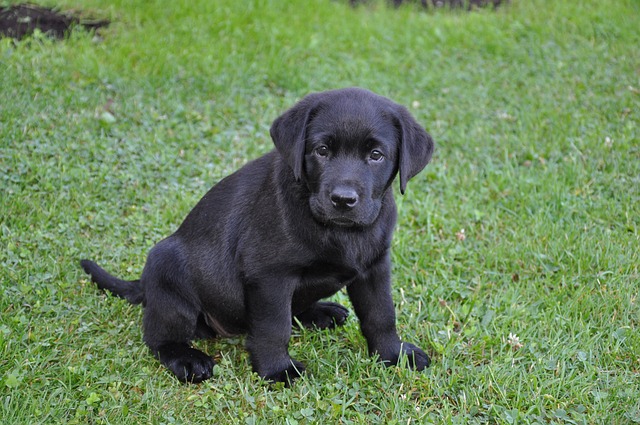
To quickly stop your puppy from jumping on people, establish consistent boundaries, redirect their energy through training, and reinforce calm behavior with positive reinforcement. Understanding the triggers can help you manage this behavior effectively.
Stopping your puppy from jumping on people is crucial for both safety and socialization. This behavior can be overwhelming for guests and can lead to accidents if your puppy is overly excited. Understanding the root causes of this jumping is essential for effective training. Puppies often jump to express excitement, seek attention, or simply because they haven’t learned appropriate greetings yet.
Many owners mistakenly believe that their puppy will outgrow this behavior without intervention. However, without consistent training, jumping can become a habit that persists into adulthood. It’s important to recognize that while some jumping is natural puppy behavior, allowing it to continue unchecked can lead to larger issues down the line, such as inappropriate greeting behaviors or even aggression in certain contexts.
Understanding the Causes of Jumping
Jumping is typically a sign of excitement or a way for puppies to engage with their surroundings. Recognizing why your puppy jumps is the first step in addressing the behavior. Common causes include excitement when greeting people or seeking attention. Puppies are naturally social animals and jumping can be their way of expressing joy or enthusiasm.
Many owners fail to realize that the jumping behavior is often reinforced unintentionally. For instance, if a puppy jumps and receives attention, even negative attention, it can learn that jumping achieves its desired outcome. Therefore, it’s essential to consider how your actions may be contributing to the behavior.
Effective Training Techniques
Training your puppy to stop jumping involves consistency and patience. One effective method is to teach an alternative behavior, such as “sit,” as a greeting. When a puppy learns that sitting results in attention, it will be less likely to jump.
Consider using the following training techniques:
- Use a leash during training sessions to control jumping.
- Practice greeting scenarios with friends or family who can help reinforce the training.
- Be consistent with commands and rewards to create clear expectations for your puppy.
Redirecting Energy
Puppies often have excess energy that can lead to jumping. Redirecting this energy can be accomplished through regular exercise and mental stimulation. Activities such as fetch, tug-of-war, or puzzle toys can help tire your puppy out, making it less likely to jump.
Establish a routine that includes both physical and mental activities. This not only helps reduce jumping but also promotes overall well-being. Additionally, engage your puppy in training exercises that require focus and discipline, further channeling their energy in positive ways.
Reinforcing Calm Behavior
Positive reinforcement is key to encouraging calm behavior in your puppy. Whenever your puppy remains calm in the presence of visitors or during greetings, reward them immediately with treats or praise. This reinforces the behavior you want to see more of.
It’s important to remain patient and persistent. If your puppy jumps, avoid giving them attention until they settle down. By rewarding calmness and ignoring jumping, you’ll help them learn the desired behavior over time.
Further Reading
Authoritative Sources
- American Kennel Club
akc.orgTrusted dog training, behavior, breed, and puppy care guidance.
- American Veterinary Medical Association
avma.orgVeterinary guidance and animal health resources from a major professional association.
- ASPCA Pet Care
aspca.orgAnimal care, behavior, and safety resources for pet owners.
- Merck Veterinary Manual
merckvetmanual.comDetailed veterinary reference material on animal conditions, care, and treatment topics.
- AAHA for Pet Owners
aaha.orgPet owner guidance from the American Animal Hospital Association.
Frequently Asked Questions
What is the best way to stop my puppy from jumping on guests?
Teach your puppy to sit when guests arrive and reward them for calm behavior. Consistency is key.
How long will it take to train my puppy not to jump?
Training duration varies by puppy and consistency; expect several weeks of practice for lasting results.
Should I punish my puppy for jumping?
Punishment can be counterproductive; focus on redirecting and rewarding calm behavior instead.
Can jumping lead to behavioral issues in the future?
Yes, if not addressed, jumping can develop into more serious behavioral problems, including aggression.
What if my puppy only jumps when excited?
Redirect their excitement through training and exercise, teaching them to channel that energy appropriately.
Conclusion
Addressing jumping behavior in puppies is essential for fostering good manners and safety. Prioritize consistent training, redirect energy through play, and reinforce calmness with rewards. By understanding the underlying causes and implementing these strategies, you can successfully teach your puppy to greet people politely. Start today for a more enjoyable experience for both your puppy and your guests.