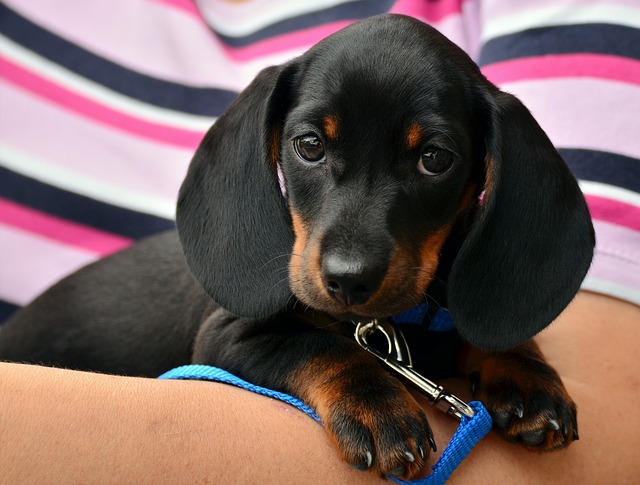
To stop puppy jumping and nipping, prioritize consistent training, redirect their energy, and establish clear boundaries. Many owners fail due to inconsistent responses to these behaviors, often reinforcing them inadvertently. Real-world limitations, such as distractions in the environment and the puppy’s natural instincts, can complicate training. Start by teaching your puppy an alternative behavior, like sitting, to replace jumping and nipping, ensuring that all family members apply the same rules consistently.
Understanding the triggers behind jumping and nipping is essential. Puppies often exhibit these behaviors out of excitement or to seek attention. Identifying these triggers allows you to manage situations more effectively. For instance, if your puppy jumps when greeting guests, consider creating a calm entry routine. Teach your puppy to sit and stay before greeting visitors, rewarding them for remaining calm. This approach not only reduces jumping but also promotes desirable behavior.
Inconsistent training methods can hinder progress significantly. Many owners mistakenly allow jumping during play but scold it during calm moments, sending mixed signals. To avoid this, enforce a strict no-jumping rule at all times. If your puppy jumps, turn away and ignore them until they calm down. Reward them with attention and treats when they keep all four paws on the ground. This consistency fosters understanding and promotes better behavior over time.
Recognizing the Reasons Behind Jumping and Nipping
Puppies often jump and nip due to excitement or a desire for attention. Understanding these motivations is crucial for effective training. By observing your puppy’s behavior, you can identify patterns and triggers that lead to jumping and nipping. For example, if your puppy jumps when they see you grab their leash, they might be excited about going outside. Recognizing these triggers allows you to intercept unwanted behavior before it escalates.
Additionally, acknowledging that puppies are naturally inclined to explore their environment through nipping helps frame your training approach. Redirecting this instinctive behavior is key. Instead of discouraging nipping outright, provide appropriate chew toys that satisfy their urge to bite. This strategy teaches your puppy that chewing is acceptable, as long as it’s directed toward the right objects.
Moreover, many owners fail to understand that their reactions can reinforce jumping and nipping. For instance, if a puppy jumps and receives attention, even negative attention, it can reinforce the behavior. Consistency in addressing these actions is crucial. Always respond to unwanted behavior with the same method to help your puppy learn appropriate responses.
Effective Training Techniques
Implementing effective training techniques is essential for curbing jumping and nipping. Begin with basic commands like ‘sit’ and ‘down’. These commands can be used as alternatives to jumping. For instance, when your puppy attempts to jump, ask them to sit instead. Reward them with praise and treats when they comply. This method reinforces the idea that calm behavior earns rewards.
Moreover, using positive reinforcement is crucial in training. Instead of scolding your puppy for jumping, redirect them to a more appropriate behavior and reward them for it. This approach creates a positive association with calm behavior. Additionally, practice these commands in various environments to build your puppy’s confidence and obedience, ensuring they respond well in different situations.
Consistency is key in any training regimen. Make sure everyone in your household understands the rules and uses the same commands. Inconsistent messages can confuse your puppy and prolong the training process. Regular practice sessions will help reinforce these behaviors, making them second nature to your puppy.
Common Mistakes to Avoid
Many owners unknowingly reinforce jumping and nipping by allowing the behavior during playtime but scolding it during calmer moments. This inconsistency sends mixed signals to your puppy, making it harder for them to learn. Instead, establish a clear no-jumping rule that applies at all times. If your puppy jumps, immediately turn away and give them no attention until they settle down.
Another common mistake is not providing enough physical and mental stimulation. Puppies that are bored or have excess energy are more likely to jump and nip. Ensure your puppy receives adequate exercise through walks, play sessions, and mental challenges like puzzle toys. A tired puppy is less likely to engage in unwanted behaviors.
Additionally, failing to train in various environments can hinder your puppy’s learning. Puppies often behave differently in new settings. Expose your puppy to various situations and distractions, practicing commands consistently to ensure they understand how to behave regardless of the environment.
Managing Environment and Distractions
Creating a calm environment can significantly impact your puppy’s behavior. Reducing distractions during training sessions helps them focus and learn more effectively. When working on commands or addressing jumping and nipping, choose a quiet area free from distractions. This allows your puppy to concentrate on your commands and reduces the likelihood of jumping out of excitement.
Moreover, controlling your puppy’s interactions with guests is crucial. If your puppy tends to jump on visitors, consider using a leash during greetings. This allows you to maintain control and reinforce good behavior. Practice having your puppy sit before greeting guests, rewarding them for staying calm. Over time, they will learn that calm behavior leads to positive interactions.
Ultimately, be mindful of your own behavior. Puppies are keen observers and often mimic their owners. If you exhibit excitement or anxiety during greetings, your puppy may respond with jumping. Practice calmness and assertiveness, and your puppy will likely mirror those behaviors.
Frequently Asked Questions
What is the best way to stop a puppy from jumping?
The best way to stop a puppy from jumping is by teaching them an alternative behavior, such as sitting, and consistently rewarding them for remaining calm.
How can I prevent my puppy from nipping?
Prevent nipping by redirecting your puppy’s biting behavior to appropriate chew toys and using positive reinforcement to reward them for good behavior.
Why does my puppy jump on people?
Puppies often jump on people out of excitement or to seek attention. They may also jump to initiate play or greet others.
What common mistakes do owners make when training puppies?
Common mistakes include inconsistent training methods, allowing unwanted behavior during play, and not providing enough physical and mental stimulation.
How long does it take to train a puppy to stop jumping and nipping?
The time it takes to train a puppy to stop jumping and nipping varies depending on the individual puppy and the consistency of training, but noticeable improvements can often be seen in a few weeks.
Conclusion
Stopping puppy jumping and nipping requires consistent training, clear boundaries, and an understanding of your puppy’s motivations. Prioritize teaching alternative behaviors while ensuring everyone in the household applies the same rules. Avoid common mistakes, such as inconsistency and lack of stimulation, to foster better behavior. By following these steps, you can effectively manage and redirect your puppy’s excitement into positive interactions.