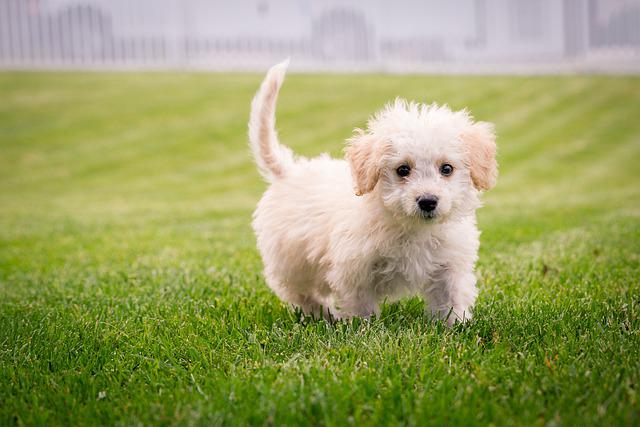
Stopping puppy barking in the crate requires understanding the root causes and implementing effective strategies. Puppies often bark due to anxiety, boredom, or discomfort.
First, ensure that your puppy associates the crate with positive experiences. This can be achieved by using treats, toys, and praise when they enter the crate. Gradually increase the time your puppy spends in the crate, starting with short periods and working up to longer durations. It’s also essential to address any discomfort, such as ensuring the crate is the right size, has adequate bedding, and is placed in a quiet, safe location.
Understanding the Reasons Behind Barking
Puppy barking in the crate can stem from several factors, including fear of confinement, loneliness, or lack of mental stimulation. Recognizing these triggers is crucial for addressing the problem effectively. Puppies are naturally social animals, and being crated for extended periods can lead to anxiety and frustration.
To mitigate these feelings, it’s important to gradually accustom your puppy to the crate. Start by encouraging short, positive experiences in the crate, and slowly increase the duration as they become more comfortable. This gradual exposure helps to reduce anxiety and build a positive association with the crate.
Creating a Positive Crate Environment
A well-prepared crate can make a significant difference in your puppy’s comfort level. Ensure the crate is appropriately sized, allowing your puppy to stand, turn around, and lie down comfortably. Include soft bedding and a few favorite toys to create a cozy atmosphere.
Additionally, consider the crate’s location. Place it in a quiet area away from distractions, but not isolated from family activities. This helps your puppy feel included while still having a safe space to retreat to. Make the crate inviting by feeding your puppy meals inside and providing treats when they enter.
Effective Training Techniques
Effective training techniques can help reduce barking in the crate. One method is to use gradual desensitization, where you slowly increase the time your puppy spends in the crate while providing positive reinforcement. Start with just a few minutes and gradually work up to longer periods.
Incorporate training commands such as “quiet” when your puppy barks. Use a calm voice and reward them for stopping. Consistency is key; ensure everyone in the household uses the same commands and techniques to avoid confusion.
Common Mistakes to Avoid
Many puppy owners make the mistake of using the crate as a form of punishment, which can lead to increased anxiety and barking. Instead, the crate should be viewed as a safe haven for your puppy. Avoid leaving your puppy in the crate for extended periods, as this can lead to loneliness and frustration.
Additionally, be cautious of over-excitement when letting your puppy out of the crate. If you greet them with too much enthusiasm, they may associate barking with gaining attention. Instead, remain calm and patient as they settle down before letting them out.
Further Reading
Authoritative Sources
- American Kennel Club
akc.orgOffers detailed information on crate training and managing puppy behavior
- ASPCA
aspca.orgProvides resources on pet care and behavior management
Frequently Asked Questions
Why does my puppy bark in the crate?
Your puppy may bark due to anxiety, boredom, or discomfort. Understanding the cause is essential for addressing the behavior.
How long can I leave my puppy in the crate?
Puppies should not be crated for more than a few hours at a time, depending on their age. As a general rule, a puppy can hold their bladder for one hour per month of age.
What should I do if my puppy barks in the crate?
Stay calm and avoid yelling. Instead, wait for a moment of quiet before letting them out to reinforce the behavior you want.
Can I use toys in the crate?
Yes, providing safe toys can help keep your puppy occupied and reduce barking. However, ensure they are appropriate for your puppy’s size and chewing habits.
Is it normal for puppies to bark at night?
Yes, it’s common for puppies to bark at night due to separation anxiety or needing to go outside. Gradually acclimating them to the crate can help.
Conclusion
To effectively stop puppy barking in the crate, focus on creating a positive environment, employing gradual training techniques, and avoiding common mistakes. Remember to be patient and consistent in your approach. Addressing the underlying causes of barking will lead to a calmer, happier puppy and a more peaceful household.