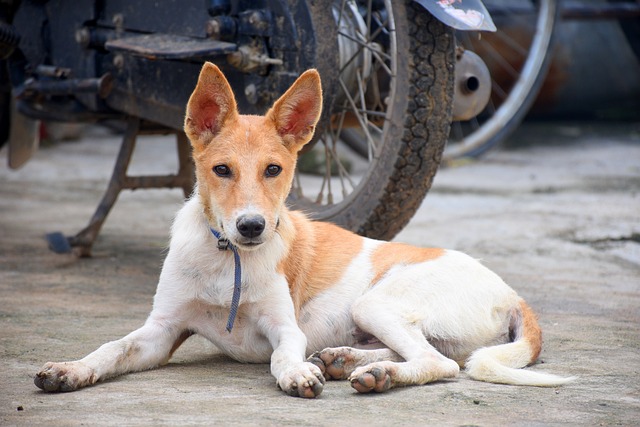
Potty training a stubborn puppy can be challenging, but with the right methods, it is achievable. Begin by establishing a consistent routine that includes regular bathroom breaks and positive reinforcement when your puppy successfully eliminates outside.
Understanding the reasons behind your puppy’s stubbornness is crucial. Puppies may resist potty training due to anxiety, lack of understanding, or previous negative experiences. It’s important to create a supportive environment that encourages learning. Avoid common mistakes such as scolding your puppy for accidents inside; instead, focus on redirecting them to the appropriate bathroom area outside.
Establishing a Routine
Creating a consistent routine is fundamental for effective potty training. Schedule regular bathroom breaks, especially after meals, playtime, and naps. Puppies thrive on routine, and knowing when to expect bathroom breaks can help them learn when and where to go.
It’s also beneficial to take your puppy out at the same times each day. This predictability aids in forming a habit, making it easier for your puppy to understand their elimination schedule. Ensure that you supervise your puppy when they are indoors to prevent accidents and reinforce the routine.
Positive Reinforcement Techniques
Positive reinforcement is one of the most effective training methods. Reward your puppy immediately after they eliminate outside with treats, praise, or playtime. This immediate reward helps them associate going outside with positive experiences.
Be consistent with your rewards; if your puppy eliminates outside, always provide a reward. This consistency will reinforce the desired behavior and encourage your puppy to repeat it. Over time, you can gradually reduce the frequency of treats while maintaining verbal praise to keep the motivation high.
Recognizing Signs of Need
Being attentive to your puppy’s behavior is key in potty training. Learn to recognize signs that indicate your puppy needs to go out, such as sniffing, circling, whining, or heading towards the door. Responding promptly to these signs can prevent accidents and reinforce the training.
Keep in mind that each puppy is different, so it may take time to fully understand your puppy’s signals. Regularly taking your puppy out, even if they don’t seem to need it, can help establish a pattern and reduce accidents indoors.
Common Pitfalls to Avoid
Several common mistakes can hinder your potty training efforts. One major pitfall is using punishment for accidents. This can create fear and anxiety around elimination, leading to more problems. Instead, focus on redirecting your puppy to the correct behavior.
Another issue can arise from inconsistent schedules. If you vary the times you take your puppy out or fail to supervise them indoors, it can confuse them. Stick to a routine and be patient; training takes time, and consistency is key.
Further Reading
Authoritative Sources
- American Kennel Club
akc.orgTrusted dog training, behavior, breed, and puppy care guidance.
- American Veterinary Medical Association
avma.orgVeterinary guidance and animal health resources from a major professional association.
- ASPCA Pet Care
aspca.orgAnimal care, behavior, and safety resources for pet owners.
- Merck Veterinary Manual
merckvetmanual.comDetailed veterinary reference material on animal conditions, care, and treatment topics.
- AAHA for Pet Owners
aaha.orgPet owner guidance from the American Animal Hospital Association.
Frequently Asked Questions
What is the best age to start potty training a puppy?
Begin potty training as soon as you bring your puppy home, ideally around 8 weeks of age, when they can start learning and forming habits.
How long does it typically take to potty train a stubborn puppy?
Potty training can take anywhere from a few weeks to several months, depending on the puppy’s age, temperament, and consistency in training.
Should I use a crate for potty training?
Yes, crate training can be an effective method as puppies naturally avoid soiling their sleeping area, which encourages them to hold it until let outside.
What should I do if my puppy has an accident indoors?
Clean the area thoroughly to remove odors, and do not punish your puppy. Instead, focus on reinforcing the positive behavior when they go outside.
How can I tell if my puppy is getting the hang of potty training?
If your puppy is consistently going outside and showing signs of needing to go out, they are likely understanding the process. Look for fewer indoor accidents and more successful outings.
Conclusion
Successfully potty training a stubborn puppy requires a blend of routine, positive reinforcement, and understanding your puppy’s behavior. Focus on consistency and patience, as every puppy learns at their own pace. By avoiding common pitfalls and recognizing your puppy’s signals, you’ll facilitate a smoother potty training experience. Prioritize regular breaks and celebrate small victories to encourage progress.