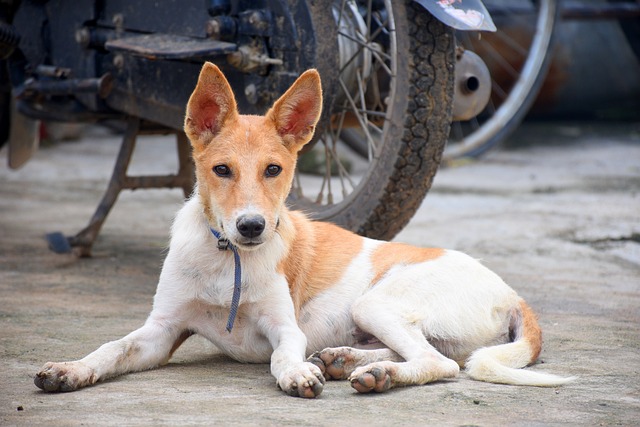
Building a puppy training routine that works requires a clear structure and consistent efforts from the owner. A successful routine incorporates regular training sessions, socialization with other dogs and people, and playtime to stimulate your puppy's mind and body.
Many new puppy owners underestimate the importance of consistency in training. Without a structured schedule, puppies may become confused and less responsive to commands. Additionally, training should be age-appropriate; younger puppies have shorter attention spans and require shorter, more frequent sessions. Mistakes often arise when owners expect too much too soon, leading to frustration for both the puppy and the owner.
Another common pitfall is the lack of socialization opportunities. Exposing your puppy to different environments, people, and other animals is essential for developing a well-adjusted adult dog. Without proper socialization, puppies can grow up fearful or aggressive. Therefore, prioritize socialization as part of your routine, gradually introducing your puppy to new experiences.
Establishing a Consistent Schedule
Creating a consistent training schedule is crucial for your puppy’s learning process. A well-structured routine helps your puppy understand what to expect and when, which reduces anxiety and improves focus. Ideally, training sessions should occur at the same time each day to build a habit. Start with short sessions of about 5-10 minutes, gradually increasing the length as your puppy matures and their attention span increases.
When establishing your schedule, consider your puppy’s natural energy levels. Puppies are often more energetic in the morning and after meals, making these times ideal for training. Make sure to incorporate playtime and breaks to keep your puppy engaged and prevent boredom. Additionally, always end training sessions on a positive note, even if it means practicing a command your puppy already knows.
Prioritize consistency not just in the timing of sessions but also in your commands and cues. Using the same phrases and signals will help your puppy learn faster. If multiple family members are involved in training, ensure everyone uses the same commands to avoid confusing the puppy.
Positive Reinforcement Techniques
Positive reinforcement is the cornerstone of effective puppy training. This technique involves rewarding your puppy with treats, praise, or playtime when they perform the desired behavior. This method not only encourages good behavior but also strengthens the bond between you and your puppy.
To implement positive reinforcement effectively, choose high-value treats that your puppy loves. You can also use toys or verbal praise as rewards. Be consistent with your rewards; immediately reward your puppy after they perform the desired action to reinforce the connection between the behavior and the reward.
One common mistake is to reward your puppy after a delay, which can confuse them about what behavior is being rewarded. Always deliver the reward at the moment the behavior occurs. Also, consider gradually reducing the frequency of treats as your puppy learns the commands, transitioning to intermittent rewards to maintain their interest.
The Role of Socialization
Socialization is a critical component of puppy training that helps your puppy feel comfortable in various situations. Early socialization can prevent behavioral problems later in life, such as fear or aggression towards unfamiliar people or animals. Aim to expose your puppy to different environments, sounds, and experiences during their first few months.
Arrange playdates with other vaccinated dogs and take your puppy on walks in busy areas. Puppy classes can also provide excellent socialization opportunities while teaching basic commands. During these interactions, supervise closely to ensure positive experiences.
One key aspect to remember is that socialization should be gradual and positive. Avoid overwhelming your puppy with too many new experiences at once. Instead, introduce them to one new situation at a time, gradually increasing the complexity as they become more comfortable.
Common Mistakes to Avoid
While building a puppy training routine, several common mistakes can hinder progress. One major mistake is inconsistency in training and commands. When different family members use varying commands or training methods, it can confuse the puppy, slowing their learning process.
Another pitfall is neglecting to socialize your puppy adequately. Puppies that are not exposed to various environments and people may develop anxiety or aggression issues as they grow older. Ensure you are providing ample opportunities for socialization throughout their early months.
Lastly, be cautious of setting unrealistic expectations. Puppies take time to learn, and patience is crucial. If you expect your puppy to master a command immediately, you may become frustrated, which can negatively impact the training process. Focus on progress rather than perfection, celebrating small victories along the way.
Further Reading
Authoritative Sources
- American Kennel Club
akc.orgTrusted dog training, behavior, breed, and puppy care guidance.
- American Veterinary Medical Association
avma.orgVeterinary guidance and animal health resources from a major professional association.
- ASPCA Pet Care
aspca.orgAnimal care, behavior, and safety resources for pet owners.
- Merck Veterinary Manual
merckvetmanual.comDetailed veterinary reference material on animal conditions, care, and treatment topics.
- AAHA for Pet Owners
aaha.orgPet owner guidance from the American Animal Hospital Association.
Frequently Asked Questions
How long should training sessions last for a puppy?
Training sessions for puppies should last between 5-10 minutes, gradually increasing as they grow older and their attention spans lengthen.
What are the best rewards for training a puppy?
High-value treats, toys, and verbal praise are effective rewards that can encourage your puppy to repeat desired behaviors.
When should I start socializing my puppy?
Puppies should begin socialization as early as 8 weeks old, exposing them to various people, environments, and experiences during their critical socialization period.
How can I tell if my puppy is stressed during training?
Signs of stress in puppies can include yawning, lip licking, avoiding eye contact, or trying to escape the situation. If you notice these signs, take a break from training.
What should I do if my puppy isn’t responding to training?
If your puppy isn’t responding, consider reassessing your training methods, ensuring consistency, and possibly consulting a professional trainer for guidance.
Conclusion
In summary, building a puppy training routine that works involves establishing a consistent schedule, using positive reinforcement techniques, and ensuring proper socialization. Avoid common mistakes such as inconsistency, neglecting socialization, and setting unrealistic expectations. Focus on creating a structured environment where your puppy can thrive, and remember that patience is key. As you implement these strategies, you’ll foster a well-trained, confident puppy ready to become a cherished member of your family.