A dog is an animal that needs a lot of attention and love from its owner. They are also very smart and can learn a lot from their owners, so it is important to teach them good habits from the beginning. There are many different ways to train your dog, but there are some basic steps that need to be taken in order to properly train your dog.
When Should You Train Your Puppy?
Training your dog when he is young will make it easier for him to understand what you want him to do. If you start training him when he is older, he may not remember what you told him to do, and he may not respond as quickly as he would have if you had trained him when he was younger.
Puppies that are about eight weeks old are usually ready to begin training. This is because they are more likely to follow commands and they are less likely to get into trouble than puppies that are older.
What Is The Best Way To Potty Train My Puppy?
There are many different ways to potty train your puppy. One of the most common methods is called the “sit” command. The sit command is a command that tells your dog to sit down. When you give your dog the sit command, he is supposed to sit down.
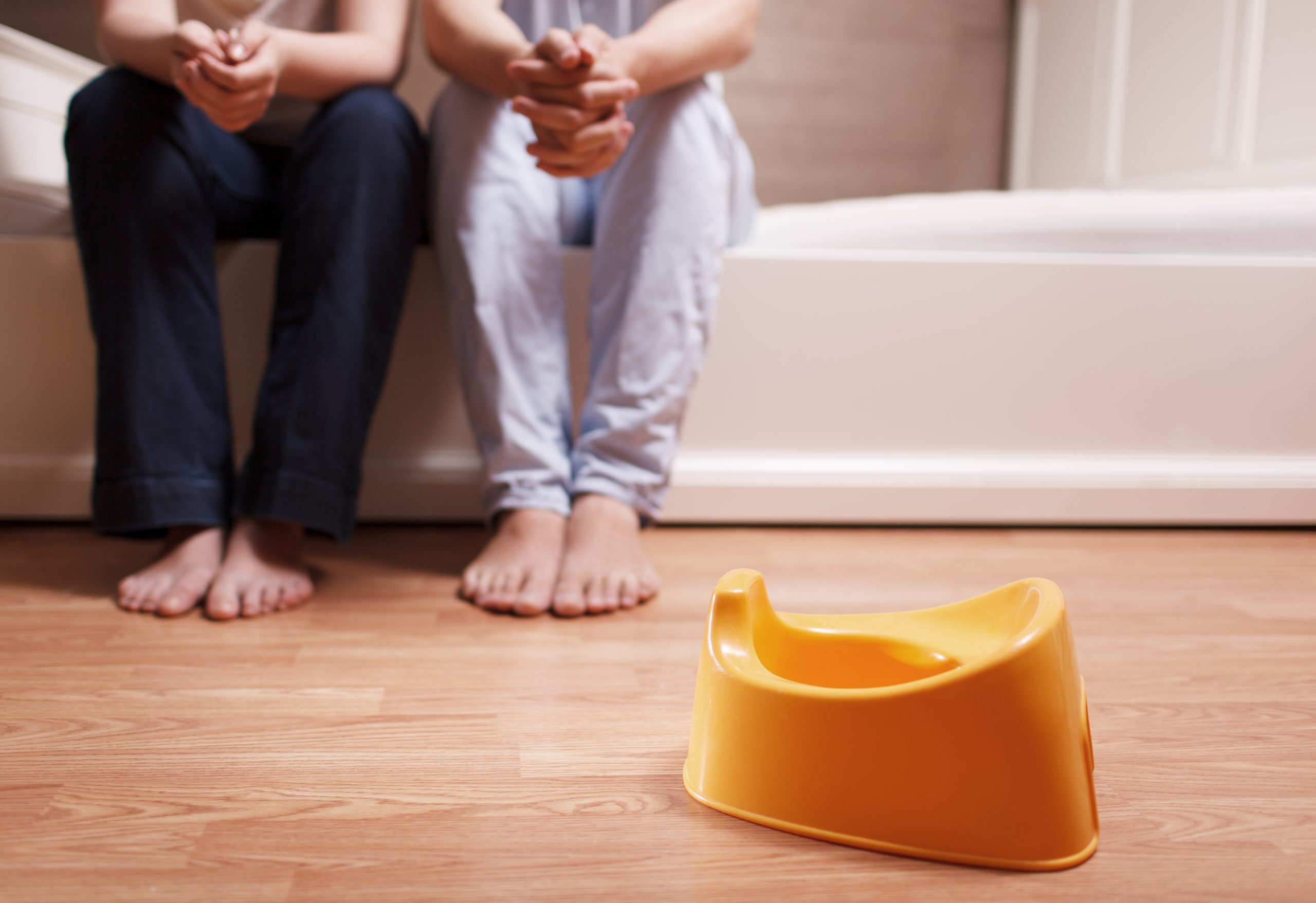
To help your puppy learn how to use the bathroom correctly, you need to use the sit command in conjunction with other commands. For example, if you want your dog to go to the bathroom, you need to tell him to sit down first. Then, you need to tell him where to go, such as “go outside.”
Another method of training your puppy is to reward him when he goes to the bathroom. If you have a dog that does not like to go to the bathroom, this may not work well for you. However, if your dog likes to go to the bathroom, then this method of training will work great.
Another method of potty training is called the “shake” command. The shake command is a command that tells a dog to shake. When you give your dog this command, he is supposed to shake his head up and down.
If you want your dog to go outside, you can tell him to shake his head up and then down. This command will tell your dog to shake his head up and back down again. He will shake his head until he has gone outside.
What Is The Right Number Of Days Per Week To Train My Dog?
The number of days per week that you should train your dog depends on the type of training that you are doing. If you are just starting out, you should probably train your dog every day. As your dog gets older, you may only need to train him once or twice per week.
You should also consider how long your dog is going to live. If you have a dog who is going to live for only one year, then you should probably train him every day. If your dog is going to live for several years, then you may only need to train your dog once or twice per month.