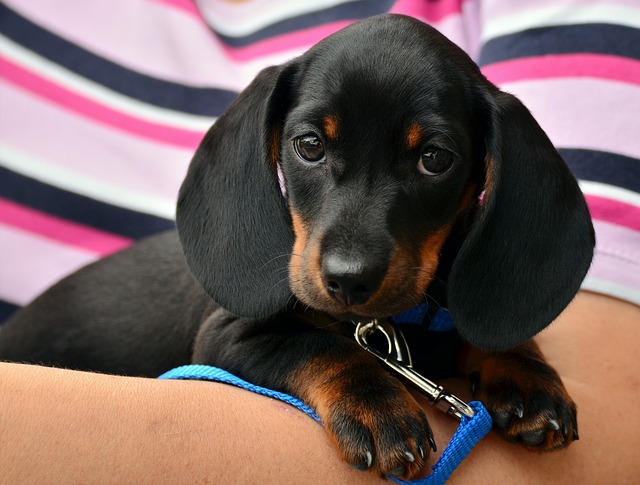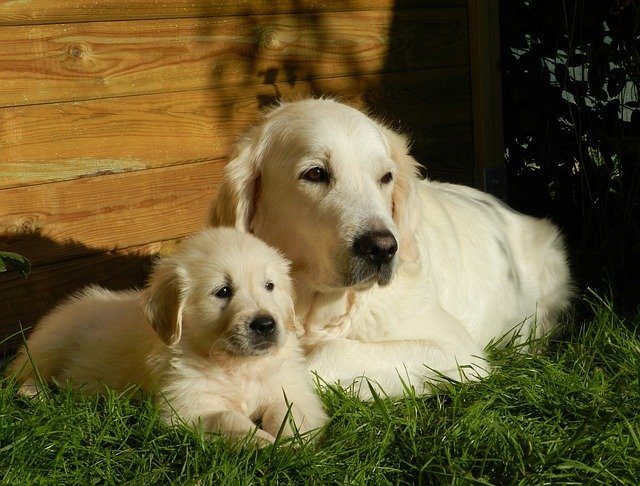
Who doesn’t enjoy the joy and company a dog can provide? However, having a puppy in the home is often a great deal of work. The puppy will need plenty of training. The article below contains tips you can use to help you train your dog.
Authority path: For the broader framework behind this article, see What Are The Essential Tools For Effective Dog Training?.
Reprimands should be delivered quickly and in a sharp tone. Yelling and screaming at your dog is counterproductive. Just say no and show them the behavior you expect. Additionally, you can raise the tone of your voice for emphasis.
Consider things from your dog’s perspective. When your dog is slow to learn, you may become frustrated. Try to think the way your dog does. Consider how it would be to see the world in their eyes. Doing this will give you a completely different perspective, which should help you in training them.
Establish feeding habits for your dog. Make sure that they know when a meal is coming, so that they can get into a set routine. Your dog will eat their food in the time that you have alloted.
Teething can be painful which is why your puppy chews on things, so always give him a choice of chew toys to keep him from getting into trouble. Take it away, and give him a chew toy. If your puppy is in a lot of pain due to teething, a frozen wet washcloth is ideal for him to chew on.
Establish a verbal cue to let your dog know when a command has been carried out to your satisfaction. Using an affirmative word can help your dog understand they did their part and it is time for a treat.
To keep your dog compliant with his training, be sure to continue the process well after he has performed the way that you have hoped. Many times, owners feel that since their animals have gone through dog training, they can just forget about it. Pets, just like humans, need to be reminded of the rules now and then. This is why you must make sure that you have a rule system that is strict for your dog.
As you are working to house train your pet, select a single term or phrase that you will use. When you take your puppy outside, say “go potty” to them so they will eventually associate the phrase with going to the bathroom outside.
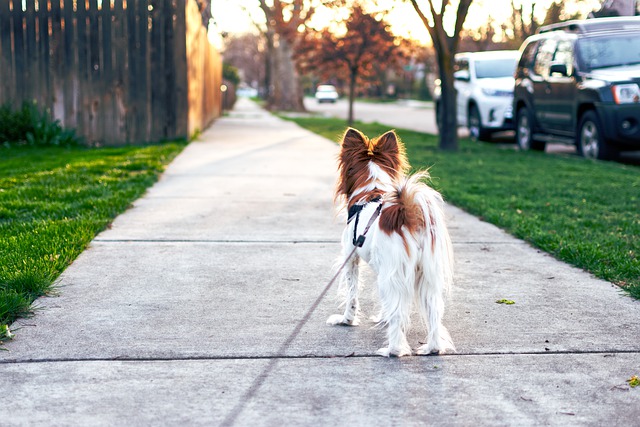
You must teach your dog how to walk correctly when the leash is attached. When they walk properly, it makes both of you safer when you both go walking.
Understand that getting your dog to respond during the times that you tell him or her ‘no’ is not helpful. Positive reinforcement is the best method for training your dog. Saying the word “no” will not aid in the training of your dog. Tailor training your dog to suit the dog and the situation.
Desensitize your dog to the cause of their barking in order to reduce the behavior. It could be a particular sound or it could be the experience of being in front of other animals or people. The key is teaching them that their triggers are nothing to fear.
Training Sessions
Wearing out a puppy with too much training and information, will be extremely counterproductive. Puppies have short attention spans and don’t focus well, so make sure to keep your training sessions short, but as positive as you can. If training sessions are too long, the puppy won’t remember the specifics of the training session, just that is was grueling and exhausting. This will make it harder to train him next time.
Use these tips now that you know them. Keep your patience strong, and give your dog positive reinforcement for the behaviors you want. You cannot expect to master these tips in mere days, but as long as you stay dedicated, you can succeed in training your dog.