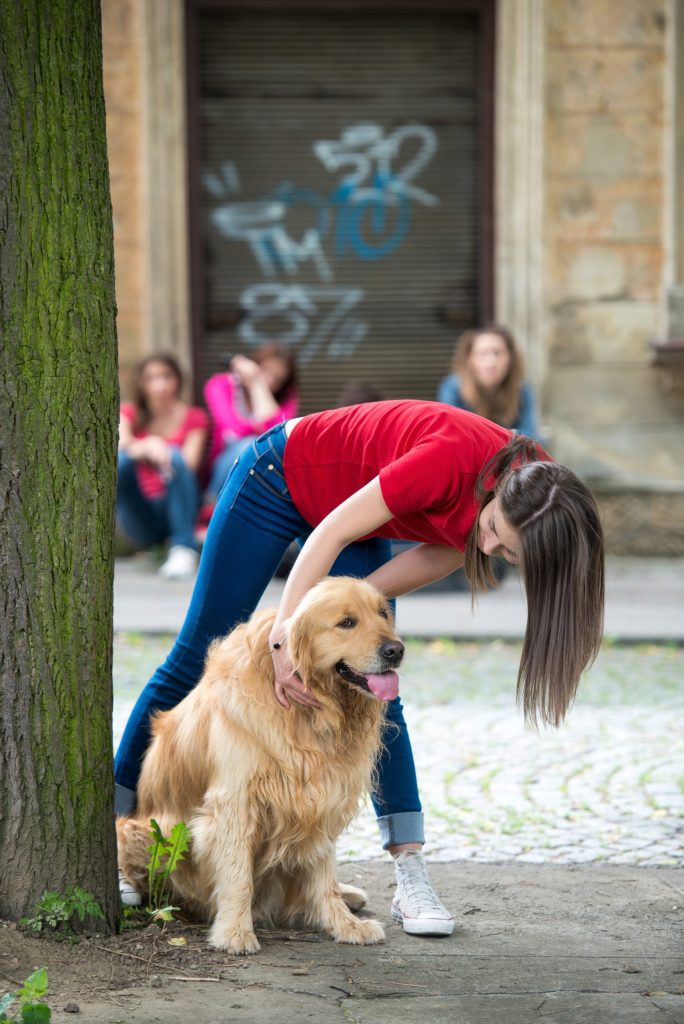
Key Takeaway: Training a dog to be well-behaved typically takes between 3 to 6 months with consistent, positive reinforcement methods. Basic commands like sit, stay, and come usually develop within a few weeks, but more complex behaviors and good manners may require ongoing practice over several months. The duration depends on the dog’s age, breed, temperament, and the consistency of training sessions. Regular, patient training and socialization are key to achieving reliable, well-behaved behavior in a reasonable timeframe.
Authority path: For the broader framework behind this article, see How long does puppy training typically take?.
Training a dog to be well-behaved is a gradual process that depends on many factors. While some commands like sit and come can often be learned within a few weeks, developing consistent manners and mastering more complex behaviors usually takes several months of dedicated effort. The dog’s age, breed, temperament, and your consistency all influence how quickly progress occurs. Patience and regular reinforcement are essential. With steady, positive interactions and socialization, most owners notice meaningful improvements within three to six months.
Article Guide
- How Long It Takes to Achieve Well-Behaved Dog Training Results
- Understanding the Factors That Influence Training Duration
- Expected Timeline for Basic Obedience Training
- Training for Behavioral Issues: How Long Does It Take?
- Advanced Training and Tricks: Setting Realistic Expectations
- The Importance of Consistency and Reinforcement
- Signs That Your Dog Is Making Progress
- Maintaining Results Over Time
- Conclusion: Patience and Realistic Expectations Are Key
- Frequently Asked Questions
- What is the best way to stop my dog from barking excessively?
- How do I crate train my dog effectively?
- What is dog training and how does it work?
How Long Does It Usually Take to Achieve Well-Behaved Dog Training Results?
Training your dog to be well-behaved is a process that unfolds over time, influenced by the individual dog’s characteristics and your training consistency. Basic commands like sit and come can often be mastered within a few weeks, but establishing reliable manners and more complex behaviors typically requires several months of regular practice. Factors such as age, breed, and temperament play a role, but patience and positive reinforcement are always crucial. Most owners see significant improvements within three to six months with steady effort.
Understanding the Factors That Affect Training Duration
The time needed to notice behavioral improvements varies based on several key elements. These include your dog’s age, breed, temperament, previous training experiences, and the consistency of your efforts. For example, a young Labrador puppy with high energy might learn basic commands in a few weeks, whereas an older, more stubborn breed like a Bulldog may require several months of persistent training.
Dogs with prior training or behavioral issues may need extra time to unlearn bad habits and adopt new behaviors. The environment also matters; a calm, structured household can facilitate faster learning compared to a chaotic or unpredictable setting.
Expected Timeline for Basic Obedience Training
Most dogs can learn fundamental commands such as sit, stay, come, and heel within 4 to 8 weeks of consistent, focused training sessions. For example, dedicating 10-15 minutes daily to training can produce noticeable progress within a few weeks.
Consistency is vital. Practicing commands daily and reinforcing positive behaviors with treats or praise helps your dog associate commands with actions. A Labrador puppy might reliably sit after two weeks of daily practice, while a more stubborn breed like a Dachshund could take closer to four weeks.
Every dog learns at its own pace. Some may master commands faster, others need more repetitions and patience. The goal is steady progress rather than immediate perfection.
Training Behavioral Issues: How Long Does It Take?
Addressing behavioral problems such as excessive barking, chewing, jumping on guests, or separation anxiety often takes longer than basic commands. For instance, reducing separation anxiety in a rescue dog might take 4 to 12 weeks of consistent desensitization exercises and crate training.
If your dog barks excessively at strangers, a structured socialization program over several weeks can significantly reduce this behavior. Correcting destructive chewing habits involves providing appropriate outlets and consistent redirection over months.
For aggression or fear-based behaviors, working with a professional trainer or behaviorist is highly recommended. These issues often require tailored strategies and patience, sometimes taking six months or more to see substantial improvements.
Advanced Training and Tricks: What to Expect
Teaching your dog advanced tricks like rolling over, playing dead, or retrieving specific objects can take several months of dedicated practice. For example, training a dog to fetch specific items by name might require 8 to 12 weeks of consistent effort.
Agility training or competitive obedience demands ongoing practice and can be a rewarding long-term pursuit. Dogs involved in agility competitions often train multiple times weekly for several months before competing successfully.
Patience and positive reinforcement are key. Celebrating small milestones keeps both you and your dog motivated and engaged in learning.
The Role of Consistency and Reinforcement
No matter your training goals, consistency is the most important factor for lasting results. Dogs thrive on routine and clear expectations. For example, teaching your dog to sit before meals every day reinforces the behavior as part of their routine.
Reinforcement methods like treats, praise, and playtime help solidify behaviors. Using high-value treats initially can accelerate learning, then gradually shifting to praise or toys maintains motivation over time.
Incorporating training into daily activities—such as walks, grooming, or play—helps behaviors become habitual and reliable.
Indicators Your Dog Is Progressing
- Your dog responds reliably to commands in various environments, even with distractions.
- You notice fewer unwanted behaviors like barking or jumping.
- Your dog appears more confident and calm in new situations.
- They eagerly participate in training sessions and seek interaction.
- Others comment on your dog’s improved manners and obedience.
For example, if your dog used to bark at passersby but now remains calm and ignores distractions during walks, that’s a clear sign of progress. Similarly, if your dog no longer pulls on the leash after consistent training over several weeks, you’re on the right track.
Maintaining Good Behavior Over Time
Achieving well-behaved behavior is only part of the process; maintaining it requires ongoing effort. Regular practice sessions help prevent regressions. For instance, revisiting basic commands monthly ensures your dog stays responsive and obedient.
Continuing socialization and exposure to new environments help keep your dog confident and well-adjusted. Taking your dog to different parks or introducing new people reinforces good manners and reduces anxiety or fear-based behaviors.
Patience and persistence are essential. Even after your dog masters commands and exhibits consistent good behavior, occasional refresher training keeps behaviors sharp and reliable.
Conclusion: Patience and Realistic Expectations Are Essential
Every dog is different, so the timeline for achieving well-behaved behavior varies. While some dogs show rapid progress within weeks, others may need several months of consistent effort. The key factors are regular practice, positive reinforcement, patience, and setting realistic goals.
Understanding these timelines and customizing your training approach to suit your dog’s needs will foster a positive environment that encourages growth and strengthens your bond. Remember that every small step forward is an achievement on the path to a well-behaved and happy companion.
Frequently Asked Questions
What is the best way to stop my dog from barking excessively?
Addressing excessive barking involves identifying its cause—such as boredom, fear, or attention-seeking—and teaching the “quiet” command by rewarding your dog when they stop barking on cue. Providing sufficient physical and mental stimulation reduces unnecessary barking. Avoid reinforcing the behavior by not giving attention when they bark excessively; this helps diminish it over time.
How do I crate train my dog effectively?
Crate training should be a positive experience. Introduce the crate gradually using treats and toys, encouraging your dog to explore it voluntarily. Increase crate time slowly while rewarding calm behavior. Consistency and patience are vital—never use the crate as a form of punishment—to ensure your dog views it as a safe space.
What is dog training and how does it work?
Dog training involves teaching your dog specific behaviors through consistent practice and reinforcement. For example, breaking down complex tasks into smaller steps allows you to set achievable milestones within set timeframes—like dedicating 5–10 hours total to learn basic commands or tricks—making the process manageable and measurable for both you and your dog.