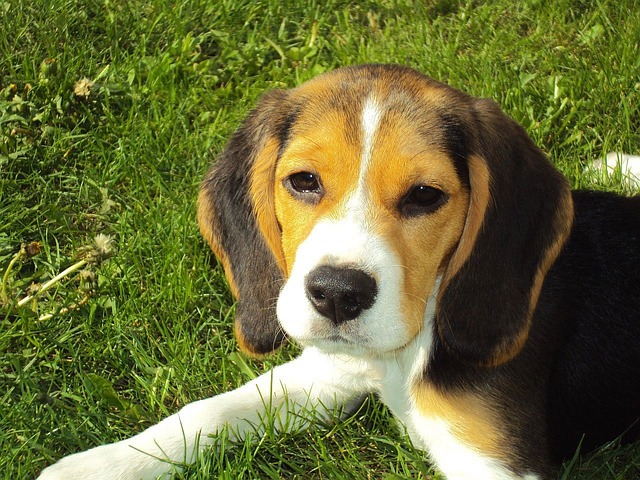
To train a puppy to stop chasing, establish reliable recall commands and redirect their focus. Puppies often chase due to instinctual drives or boredom, making it essential to address these behaviors early. Consistent training sessions and engaging your puppy with mental stimulation can significantly reduce impulsive chasing. Outdoor environments can pose additional challenges, so practicing in controlled spaces before transitioning to more distracting areas is advisable.
One common mistake many puppy owners make is underestimating the power of instinct. Puppies are naturally curious and energetic, which can lead them to chase after moving objects, other animals, or even people. To mitigate this, it’s crucial to recognize the triggers that prompt chasing behavior. For instance, if your puppy is drawn to squirrels or running children, being proactive in managing those situations by keeping your puppy on a leash or using a designated training area can help.
Furthermore, teaching a strong recall command can be a game-changer. Start training in a quiet environment with minimal distractions, using treats and positive reinforcement to encourage your puppy to come back when called. As they become more reliable, gradually introduce distractions to reinforce their training in real-world scenarios.
Understanding the Chasing Instinct
The chasing instinct in puppies is rooted in their genetic makeup. Breeds such as terriers and hounds have a higher propensity to chase due to their hunting backgrounds. Recognizing that chasing is a natural behavior can help you approach training with the right mindset. Instead of punishing your puppy for chasing, focus on redirecting that energy into more productive activities.
Understanding what triggers your puppy’s chasing behavior is vital. For example, if they chase after bicycles or cars, it’s important to control their environment. Creating a safe space for your puppy to play without these distractions can help them learn to focus on you instead of the moving objects around them.
Effective Recall Training Techniques
Recall training is perhaps one of the most effective methods to prevent chasing. Begin by teaching your puppy a reliable recall command, such as “come” or “here.” Use high-value treats to reinforce this behavior, ensuring your puppy associates returning to you with positive experiences.
Start training in a quiet area with few distractions. Once your puppy consistently responds to the recall command, gradually introduce more distractions, such as toys or other pets, to challenge their focus. Consistency is key; practice this command daily to reinforce its importance.
Redirecting Focus and Energy
Another effective strategy is redirecting your puppy’s focus onto alternative activities. Providing plenty of physical and mental stimulation can help alleviate the urge to chase. Engage your puppy in interactive games like fetch or tug-of-war, which can channel their energy positively.
In addition to physical activities, mental challenges such as puzzle toys or training sessions can keep your puppy engaged. These activities not only distract them from chasing but also promote overall well-being and strengthen your bond.
Common Mistakes to Avoid
One of the most significant mistakes owners make is not being consistent with training. Inconsistency can confuse your puppy and hinder their learning process. Make sure everyone in your household uses the same commands and training techniques.
Another pitfall is failing to recognize the importance of positive reinforcement. Punishing your puppy for chasing can lead to fear or anxiety, making the behavior worse. Instead, focus on rewarding good behavior and redirecting unwanted actions.
Frequently Asked Questions
Why does my puppy chase everything?
Puppies chase due to their natural instincts and curiosity. It’s an inherent behavior linked to their ancestry as hunters and gatherers.
What can I do to stop my puppy from chasing?
Train a reliable recall command, redirect their focus with engaging activities, and manage their environment to minimize distractions.
How can I improve my puppy’s recall?
Use high-value treats, practice in a distraction-free environment, and gradually increase distractions as your puppy improves.
Is it normal for puppies to chase other animals?
Yes, chasing is a natural behavior for puppies. However, it’s essential to manage this instinct to ensure safety for both your puppy and other animals.
What are some signs my puppy is about to chase?
Signs include heightened excitement, focused attention on a moving object, and a sudden increase in energy. Recognizing these signs can help you intervene before they chase.
Conclusion
Training a puppy to stop chasing requires understanding their instincts and implementing effective training techniques. Focus on reliable recall commands, redirecting their energy into positive activities, and avoiding common mistakes that can hinder progress. By being consistent and proactive, you can help your puppy learn to control their chasing impulses, leading to a safer and more enjoyable experience for both of you.