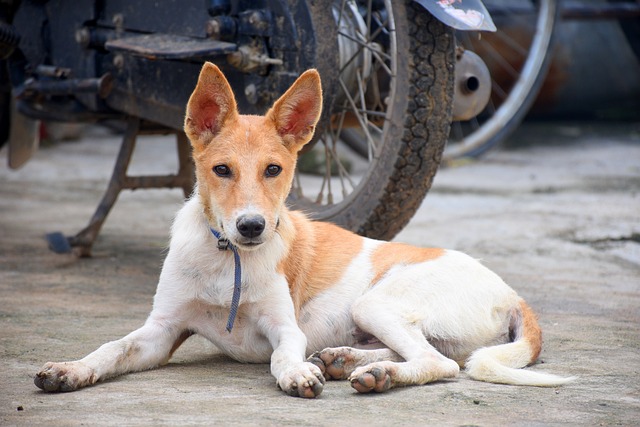
To train a puppy not to bite during play, you must focus on redirecting their energy towards appropriate toys while providing consistent feedback when biting occurs. Puppies often bite out of excitement, teething discomfort, or a lack of understanding of acceptable behavior.
Puppies naturally use their mouths while exploring their environment, but this does not mean they should be allowed to bite people. Instead, set clear boundaries and encourage positive interactions with toys. It’s essential to remain calm and assertive when correcting biting behavior to avoid confusion.
Understanding Puppy Biting Behavior
Puppies bite for various reasons, including teething, excitement, and playfulness. Understanding the context of their behavior is crucial for effective training. When puppies are young, they explore the world with their mouths, which is a natural part of their development. However, it’s essential to teach them that biting humans is not acceptable.
Recognizing the signs of overstimulation can help prevent biting. Puppies may become overly excited during play, leading to nipping. Monitor their energy levels and intervene before they get too wound up. Providing plenty of physical and mental stimulation through play and training can also reduce the likelihood of biting.
Redirecting Biting to Toys
A key strategy for training a puppy not to bite during play is to redirect their biting behavior towards appropriate toys. When your puppy starts to nip, firmly say “no” or “ouch” to signal that the behavior is unacceptable, then immediately offer them a toy. This teaches them what is appropriate to bite.
Choosing the right toys is essential. Durable chew toys designed for teething puppies can provide relief and satisfy their urge to chew. Rotate toys regularly to keep your puppy engaged and interested. Additionally, incorporating interactive play sessions with toys can help reinforce positive behaviors while minimizing biting incidents.
Socialization and Its Importance
Socializing your puppy with other dogs and people is vital for reducing biting behavior. Exposure to different environments, sounds, and experiences can help them learn appropriate play styles and bite inhibition. Arrange playdates with vaccinated dogs or enroll in puppy training classes to enhance their social skills.
During socialization, monitor their interactions closely. If they begin to bite too hard during play, intervene and redirect them to another activity. This not only helps them learn boundaries but also encourages friendly interactions with other dogs.
Common Mistakes to Avoid
One of the most significant mistakes is using physical punishment to correct biting behavior. This can lead to fear and aggression, worsening the problem. Instead, focus on positive reinforcement, rewarding your puppy for playing gently.
Another common error is not providing enough mental and physical stimulation. Boredom can lead to excessive biting as a form of entertainment. Ensure your puppy has a variety of toys and engages in regular exercise to keep them happy and healthy.
Frequently Asked Questions
What should I do if my puppy bites me?
If your puppy bites you, calmly say “no” and redirect their attention to a toy. Consistency is key in teaching them what is acceptable.
Is it normal for puppies to bite during play?
Yes, it is normal for puppies to bite during play, but they need to learn boundaries. Redirecting their biting to toys is essential.
How can I prevent my puppy from biting other dogs?
Socialize your puppy with other dogs and monitor their play. Teach them to play gently and intervene if they bite too hard.
What toys are best for teething puppies?
Durable chew toys specifically designed for teething puppies are best. Look for options made from soft rubber or fabric.
When should I start training my puppy not to bite?
You can start training your puppy not to bite as early as eight weeks old. Early intervention is crucial for effective training.
Conclusion
Training your puppy not to bite during play is essential for fostering a safe and enjoyable environment for both your pet and yourself. Focus on redirecting their biting behavior towards appropriate toys, socializing them with other dogs, and avoiding common training mistakes. With patience and consistency, you can help your puppy learn to play gently, leading to a happier and well-behaved companion.