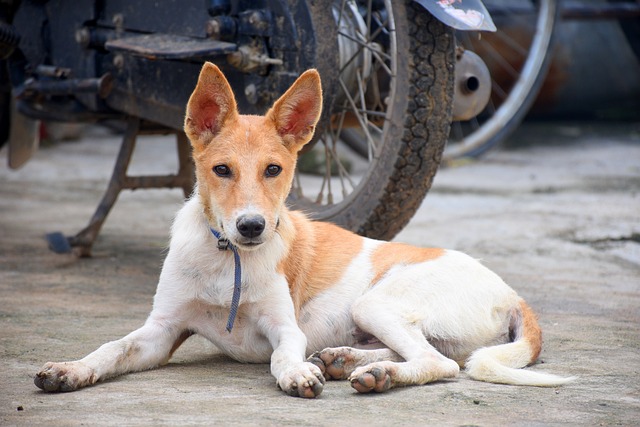
Training a puppy using treats effectively involves leveraging positive reinforcement to encourage desired behaviors. By rewarding your puppy immediately after they perform the action you want, you create a strong association between the behavior and the reward. This approach not only motivates the puppy but also builds trust between you and your pet, making training a more enjoyable experience for both of you.
Many new puppy owners mistakenly believe that any treat will work for training, but it’s essential to choose treats that are both appealing and suitable for your puppy’s dietary needs. High-value treats, such as small bits of chicken or cheese, can be particularly effective. Moreover, consistency in your training sessions is crucial; frequent short sessions are typically more effective than long, sporadic ones. This helps maintain your puppy’s focus and enthusiasm.
Choosing the Right Treats
To enhance the training experience, selecting the right treats is vital. Opt for small, soft treats that are easy for your puppy to chew and digest. The size of the treat is important; it should be small enough that your puppy can consume it quickly without losing focus on the training session. Treats should be special enough that your puppy associates them with positive reinforcement, which encourages them to repeat the desired behavior.
Additionally, consider your puppy’s dietary restrictions and preferences. Some puppies may have allergies or sensitivities, so it’s important to choose treats that are safe for them. Experimenting with various types of treats can help you discover what excites your puppy the most, making training more effective.
Establishing a Training Routine
Creating a consistent training routine is essential for effective learning. Puppies thrive on routine, and establishing specific times for training can help them understand when to expect these sessions. Aim for multiple short sessions throughout the day rather than one long session, as this keeps your puppy engaged and responsive.
During training, maintain a calm and positive atmosphere. Use a clear and consistent command for each behavior you want to teach. For example, use “sit” for the sitting command, and reward your puppy immediately when they comply. This clarity helps the puppy learn faster and reinforces their understanding of what you expect of them.
Common Mistakes to Avoid
New trainers often make several common mistakes that can hinder the effectiveness of treat training. One major pitfall is inconsistency in reward timing; rewards must be given immediately after the desired behavior to create a strong association. Delayed rewards can confuse your puppy and hinder their learning process.
Another common mistake is over-reliance on treats as the sole method of training. While treats are effective, balancing them with verbal praise and affection can reinforce positive behavior even further. Additionally, avoid using treats that are not enticing to your puppy, as this can lead to disinterest in the training process.
Building on Success
Once your puppy begins to grasp basic commands using treats, it’s time to build on their success. Start introducing new commands and behaviors while maintaining the same positive reinforcement approach. Gradually phase out the treats for some commands as your puppy becomes more proficient, replacing them with verbal praise or petting.
This method encourages your puppy to respond to commands even when treats are not present, reinforcing their learning and helping to create a well-behaved pet. Remember that patience is essential; every puppy learns at their own pace, and celebrating small victories along the way can lead to lasting success.
Frequently Asked Questions
What are the best treats for puppy training?
High-value treats like small pieces of chicken, cheese, or specially formulated puppy training treats work best as they are enticing and easy to chew.
How often should I train my puppy?
Puppies can start training as early as eight weeks old. Look for signs of curiosity and engagement in their environment as indicators of readiness.
Can I use regular dog food as training treats?
While you can use regular dog food, it’s often less motivating compared to high-value treats, which are more effective for training.
What should I do if my puppy loses interest in treats?
If your puppy loses interest, try switching to a different type of treat or reducing the size of the reward to keep them engaged.
How long should training sessions last?
Training sessions should last around 5-10 minutes for puppies, as their attention spans are short. Frequent sessions are more effective than longer, infrequent ones.
Conclusion
Training your puppy using treats can be an enjoyable and effective way to instill good behavior. Focus on using high-value treats, maintaining a consistent routine, and avoiding common pitfalls to maximize your success. As your puppy learns, gradually phase out treats for verbal praise to foster long-lasting obedience. Remember, patience and consistency are key to building a well-trained companion.