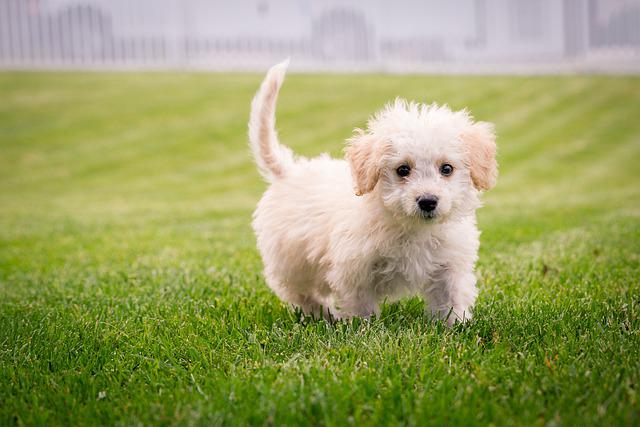
Puppy house training is essential for establishing proper bathroom habits early in your puppy’s life. This process involves creating a consistent routine and utilizing positive reinforcement techniques to encourage your puppy to relieve themselves in the appropriate areas. By setting clear expectations and providing guidance, you can effectively train your puppy to understand where and when it is acceptable to go.
One common mistake that new puppy owners make is underestimating the importance of consistency. Puppies thrive on routine, and any irregularity can confuse them, leading to accidents in the house. Furthermore, many owners may overlook the need for close supervision during the initial training stages. Understanding these factors is crucial for successful house training.
Understanding Puppy Behavior
Puppies have specific behavioral traits that can influence their house training success. Recognizing these behaviors, such as sniffing, circling, or whining, can help you predict when your puppy needs to go outside. Addressing these signs promptly reinforces their understanding of appropriate bathroom habits.
Many new puppy owners fail to recognize these signs, which can lead to accidents inside the home. By closely observing your puppy’s behavior and responding quickly, you can create a positive training environment. Additionally, understanding your puppy’s natural instincts can help you tailor your training approach to be more effective.
Creating a Potty Schedule
Establishing a consistent potty schedule is crucial for successful house training. Puppies generally need to relieve themselves after eating, drinking, playing, or waking up. By taking your puppy outside at regular intervals, you can reduce the likelihood of accidents inside the house.
It’s important to remember that every puppy is different, and some may require more frequent potty breaks than others. Observing your puppy’s habits and adjusting the schedule as needed will help reinforce their training. Additionally, setting a routine can help your puppy learn when to expect bathroom breaks, making the process smoother.
Positive Reinforcement Techniques
Using positive reinforcement is one of the most effective methods for house training your puppy. This technique involves rewarding your puppy with treats, praise, or playtime immediately after they relieve themselves outside. This approach helps your puppy associate good behavior with positive outcomes.
Many owners mistakenly rely solely on negative reinforcement or punishment for accidents. This can create fear and anxiety, making training more difficult. Instead, focus on celebrating successes and providing encouragement for your puppy to learn and grow in their training journey.
Common Mistakes to Avoid
While house training, it’s essential to be aware of common pitfalls that can hinder your progress. One major mistake is not supervising your puppy closely enough, which can lead to accidents when you’re not watching. Additionally, some owners may become frustrated and inadvertently punish their puppies after accidents, which can confuse them.
To avoid these mistakes, ensure you are attentive to your puppy’s needs and provide consistent feedback. Creating a safe space for your puppy can also help prevent accidents while you are unable to supervise them. By staying vigilant and patient, you can achieve successful house training.
Frequently Asked Questions
What age should I start house training my puppy?
It’s best to start house training your puppy as soon as you bring them home, typically around 8-12 weeks of age.
How long does it take to house train a puppy?
House training can take anywhere from a few weeks to several months, depending on the puppy’s age, breed, and individual temperament.
What should I do if my puppy has an accident indoors?
Remain calm and clean the area thoroughly to eliminate odors. Avoid scolding your puppy, as this can create fear and confusion.
How often should I take my puppy outside?
Puppies should be taken outside every 1-2 hours, as well as after meals, playtime, and naps.
Can I use pee pads for house training?
Pee pads can be useful for indoor training, especially in apartments or during inclement weather, but they may prolong the process of teaching your puppy to go outside.
Further Reading
Authoritative Sources
- American Kennel Club
akc.orgTraining and behavior guidance for puppy routines, rewards, obedience, and common problem behaviors.
- ASPCA
aspca.orgPractical pet-care and behavior resources covering humane handling, routines, and everyday puppy management.
- American Veterinary Medical Association
avma.orgVeterinary guidance on animal health, safety, and owner education that supports sound training decisions.
Conclusion
Successfully house training your puppy involves understanding their behavior, creating a consistent potty schedule, and utilizing positive reinforcement techniques. By prioritizing these elements and avoiding common mistakes, you can foster a strong foundation for your puppy’s bathroom habits. Remember that patience and consistency are essential throughout this process, setting your puppy up for long-term success in their training journey.