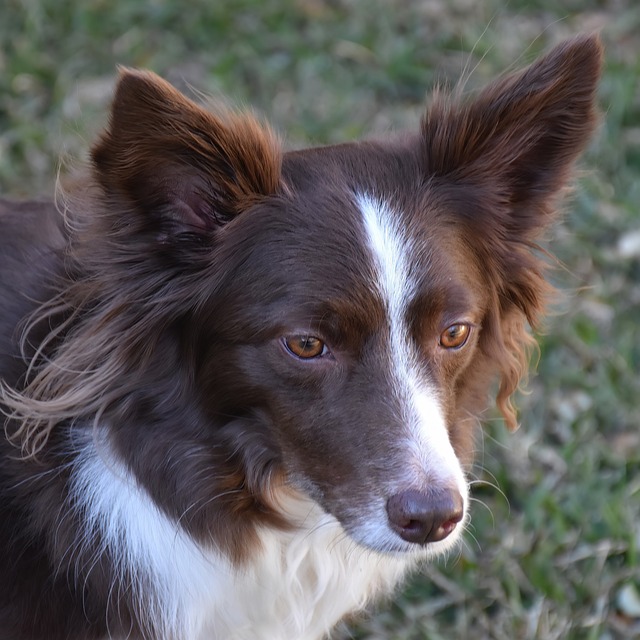
The one puppy training command every dog must learn first is ‘Sit’. This command establishes a foundational level of obedience and helps in managing your puppy’s behavior effectively. Teaching ‘Sit’ not only gives your puppy a clear expectation but also serves as a gateway to more complex commands. When your puppy understands this basic command, it becomes easier to introduce additional training techniques and commands.
Many new dog owners underestimate the importance of teaching their puppy to sit. A common mistake is to rush through the training process or overlook the significance of consistency. Without a solid foundation, training can lead to confusion for both the owner and the puppy. It’s crucial to prioritize this command and ensure that your puppy learns it in a calm and focused atmosphere.
Why ‘Sit’ Is the First Command to Teach
‘Sit’ is often considered the most important command to teach a puppy because it lays the groundwork for further training. A well-trained puppy that understands this command is easier to manage in various situations, such as during walks, playtime, or when meeting new people. This command also helps in calming an excited puppy, making it an essential tool for everyday scenarios.
Understanding why this command is fundamental can help owners appreciate its value. Teaching ‘Sit’ encourages good behavior and reinforces the bond between the owner and the puppy. It sets the stage for future commands and training sessions, providing a clear structure for the puppy to follow.
How to Teach the ‘Sit’ Command
To effectively teach your puppy the ‘Sit’ command, start by getting their attention with a treat. Hold the treat close to their nose and slowly move it upwards, which will naturally cause their bottom to lower as they look up. As soon as they sit, say ‘Sit’ and reward them with the treat. Consistency is key; practice this several times a day in short sessions.
When teaching ‘Sit’, ensure that your environment is free from distractions. This approach allows your puppy to focus on the command and your cues. Gradually introduce the command in different settings to reinforce the behavior and help your puppy generalize the command.
Common Mistakes When Teaching ‘Sit’
One of the most common mistakes owners make when teaching ‘Sit’ is not being patient. Puppies can take time to grasp commands, and rushing the process can lead to frustration for both the owner and the puppy. Additionally, failing to reward the puppy immediately after they sit can confuse them about what behavior is being reinforced.
Another pitfall is neglecting to practice the command in various environments. If a puppy only learns ‘Sit’ at home, they may not respond well in different situations. Regular practice in diverse locations helps solidify the command.
Expanding on the ‘Sit’ Command
Once your puppy has mastered the ‘Sit’ command, it’s beneficial to expand on it by incorporating other commands. For example, you can teach ‘Stay’ or ‘Come’ by using ‘Sit’ as a starting point. This progression not only enhances your puppy’s obedience but also keeps training sessions engaging.
Incorporating ‘Sit’ into everyday activities can further reinforce the command. For instance, ask your puppy to sit before meals, during playtime, or when greeting guests. This consistent application helps your puppy understand the command’s significance in various contexts.
For those looking to deepen their understanding of puppy training, consider exploring resources from reputable dog training organizations or books by established trainers. These resources can provide valuable insights and techniques to enhance the training experience.
Frequently Asked Questions
What age should I start training my puppy?
You can start training your puppy as early as 8 weeks old, focusing on basic commands like ‘Sit’.
How long should training sessions be?
Training sessions should last about 5 to 10 minutes to keep your puppy engaged and prevent boredom.
Can I train my puppy at home?
Yes, you can effectively train your puppy at home using positive reinforcement techniques.
What should I do if my puppy doesn’t respond to ‘Sit’?
If your puppy doesn’t respond, ensure you’re using the right cues and that the environment is distraction-free.
How can I make training more fun for my puppy?
Incorporate games and playtime into your training sessions to keep your puppy engaged and excited about learning.
Conclusion
To wrap up, teaching the ‘Sit’ command is fundamental to your puppy’s training journey. It serves as a cornerstone for further commands and helps establish clear communication between you and your puppy. Focus on consistency, patience, and positive reinforcement to ensure effective learning. As your puppy masters this command, you can gradually introduce more complex training to enhance their obedience and behavior.