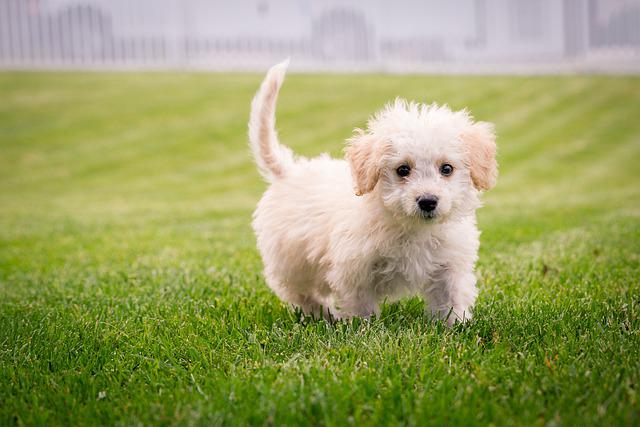
Potty training a stubborn puppy requires a structured approach and consistent reinforcement. Stubborn puppies often resist training because they may not understand what is expected of them or lack the necessary routine. By setting clear boundaries and maintaining a consistent schedule, you can help your puppy learn where and when to eliminate.
Establishing a routine is critical when potty training. Take your puppy outside frequently, especially after meals, playtime, and naps. Use a designated spot for bathroom breaks, allowing your puppy to associate that area with elimination. When your puppy successfully goes outside, offer praise and treats immediately to reinforce the behavior. Avoid scolding for accidents indoors, as this can create anxiety and hinder progress.
Understanding Your Puppy’s Behavior
Recognizing why your puppy is stubborn is essential for effective potty training. Puppies may resist training due to fear, lack of understanding, or previous negative experiences. Understanding your puppy’s body language can also help you identify when they need to go outside. Look for signs such as sniffing the ground, circling, or whining.
To address stubbornness, build trust with your puppy through positive interactions. Spend quality time playing and bonding, which can make them more receptive to training. Additionally, ensure that your puppy feels safe and secure in their environment, as anxiety can lead to resistance in learning.
Creating a Consistent Potty Schedule
A consistent potty schedule is crucial for successful training. Aim to take your puppy outside every one to two hours, especially after eating or drinking. This frequency helps them develop a routine and understand when it is time to eliminate.
Incorporate regular feeding times to predict when your puppy will need to go. After meals, wait about 15-30 minutes before taking them outside. Over time, your puppy will begin to associate specific times with potty breaks, making the process smoother. Consistency is key, as it reinforces the expected behavior.
Using Crate Training Effectively
Crate training can be an effective tool for potty training a stubborn puppy. Dogs naturally avoid soiling their sleeping area, making a crate a useful method for encouraging good habits. Choose a crate that is appropriately sized—large enough for your puppy to stand, turn around, and lie down, but not so large that they can eliminate in one corner and sleep in another.
Introduce the crate gradually, allowing your puppy to explore it and feel comfortable. Use treats and praise to create a positive association. When you’re unable to supervise your puppy, place them in the crate for short periods, gradually increasing the duration as they adapt. Always take them outside immediately after releasing them from the crate.
Common Mistakes to Avoid
Many owners make mistakes that can hinder the potty training process. One common error is not providing enough opportunities for the puppy to go outside. If your puppy has frequent accidents indoors, it may indicate they need more breaks. Additionally, using negative reinforcement can cause fear and anxiety, making training more difficult.
Another mistake is failing to recognize signs that your puppy needs to go outside. Pay attention to their behavior and be proactive in taking them out. Lastly, inconsistency in your training approach can confuse your puppy, delaying their progress. Stick to a routine and be patient.
Tips for Stubborn Puppies
For stubborn puppies, patience and creativity in training methods can make a significant difference. Try varying your rewards system; some puppies respond better to treats, while others may be motivated by playtime or affection. Experiment to find what resonates best with your puppy.
Incorporate games into the potty training routine to make it more enjoyable. For instance, after a successful potty break, engage your puppy in a short play session. This positive reinforcement can create a more enthusiastic approach to potty training. Additionally, consider using training pads indoors as a transitional tool, gradually moving them closer to the door until your puppy learns to go outside.
Frequently Asked Questions
How long does it take to potty train a stubborn puppy?
Potty training a stubborn puppy can take several weeks to months, depending on the puppy’s age, temperament, and consistency in training.
What should I do if my puppy keeps having accidents indoors?
If your puppy has frequent accidents indoors, increase outdoor breaks and assess their schedule. Ensure they have ample opportunities to eliminate outside.
Can I use puppy pads during potty training?
Yes, puppy pads can be useful during potty training, especially for young puppies. Gradually transition them outdoors as your puppy learns.
What is the best way to reward my puppy for going outside?
Immediate praise, treats, or playtime are effective rewards for your puppy after they eliminate outside. Choose what motivates them the most.
How can I tell if my puppy needs to go out?
Watch for signs such as sniffing, circling, whining, or heading toward the door. These behaviors often indicate that your puppy needs to eliminate.
Conclusion
Successfully potty training a stubborn puppy requires patience, consistency, and understanding. Focus on establishing a routine, using positive reinforcement, and avoiding common mistakes. By providing frequent opportunities for your puppy to eliminate outside and recognizing their signals, you can foster good habits. Remember that every puppy learns at their own pace, so stay committed and adjust your approach as needed.