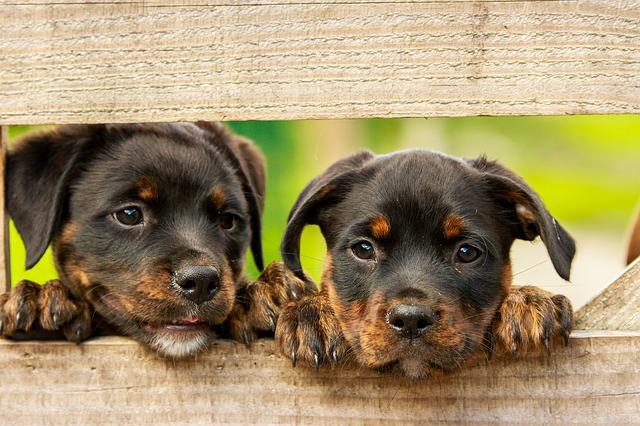
To stop your puppy from jumping on people quickly, implement consistent training by redirecting their behavior through commands and rewards. Jumping frequently stems from excitement or the desire for attention, making it essential to teach an alternative behavior. Immediate actions include using commands like ‘sit’ or ‘down’ and rewarding your puppy for remaining calm when greeting others.
Owners inadvertently encourage jumping by reacting positively, even if it’s a negative behavior. It’s crucial to recognize that every interaction can reinforce the jumping habit. Therefore, ensuring that all family members understand the importance of consistent responses to your puppy’s behavior is vital. This means no petting, eye contact, or verbal engagement when your puppy jumps. Instead, wait until they are calm before giving attention.
Understanding the Causes of Jumping
Jumping is often a natural behavior for puppies, driven by excitement and a desire for attention. When puppies see someone they like, their instinct is to jump up to greet them, which can be seen as a form of affection. However, this behavior can quickly become problematic if not managed properly.
Understanding the underlying causes of jumping is essential for addressing the behavior effectively. Puppies often jump when they are excited, anxious, or trying to assert dominance. Recognizing these triggers allows you to anticipate when your puppy might jump and take proactive measures to redirect their behavior.
Effective Training Techniques
One of the most effective ways to stop jumping is to teach your puppy an alternative behavior. Commands like ‘sit’ or ‘stay’ can be very helpful. When your puppy approaches someone and begins to jump, calmly redirect them to sit instead. Reward them immediately with treats or praise when they follow the command.
Another technique is to ignore the jumping behavior altogether. If your puppy jumps up, turn your back and avoid eye contact until they stop. This teaches them that jumping does not result in the attention they seek. Once they are calm, you can turn back around and reward them for being well-behaved.
Consistency in Training
Consistency is key in any training process, especially when it comes to stopping jumping. Ensure that everyone in your household follows the same rules and training techniques. Mixed signals can confuse your puppy and prolong the jumping behavior.
Establishing a routine can also help reinforce the training. For example, always have guests enter your home with a command for your puppy to follow, such as ‘sit.’ This not only prepares your puppy for greetings but also helps them learn that calm behavior is rewarded with attention.
Real-World Applications
Applying these techniques in real-world scenarios can help solidify the training. Practice with friends or family members who are willing to help. Have them enter your home or approach you while you guide your puppy through the commands. This practice reinforces the behavior in various situations, making it easier for your puppy to generalize the behavior.
Remember to be patient and consistent with your training. Puppies may take time to learn, and there will be setbacks. Maintaining a calm demeanor and continuing to reward positive behavior will yield results in the long run.
Frequently Asked Questions
Why does my puppy jump on people?
Puppies often jump on people due to excitement and a desire for attention or affection.
How can I train my puppy to stop jumping?
Train your puppy by redirecting them to a ‘sit’ command and rewarding them for calm behavior.
What should I do when my puppy jumps on me?
Turn away and ignore them until they stop jumping, then reward them for calm behavior.
Is it okay to let my puppy jump sometimes?
Allowing jumping can reinforce the behavior; it’s best to discourage it consistently.
How long does it take for a puppy to stop jumping?
It varies by puppy, but with consistent training, you can see improvement within a few weeks.
Conclusion
Stopping your puppy from jumping on people quickly requires clear communication and consistent training. Focus on redirecting their behavior with commands like ‘sit’ and reward them for remaining calm. Remember that consistency across all interactions is essential for effective training. With time and patience, you can help your puppy learn appropriate greeting behaviors, leading to more pleasant interactions for everyone involved.