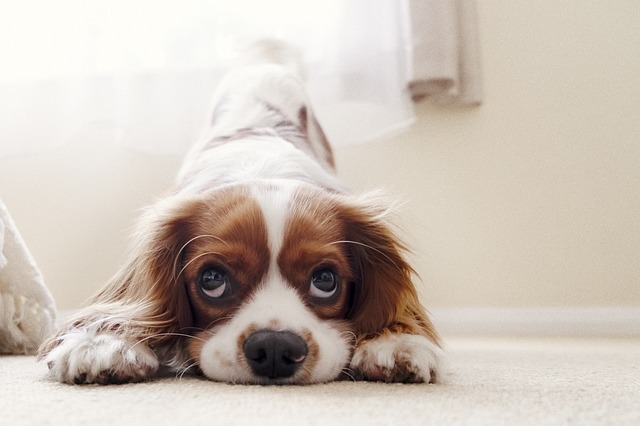
Teaching your puppy to greet calmly is essential for fostering good behavior and ensuring positive interactions with others. A common reason puppies exhibit overly excited greetings is their natural instinct to engage with new people and environments. By training your puppy to remain calm during greetings, you not only enhance their social skills but also prevent potential issues like jumping or barking, which can be problematic in public settings.
One of the most critical aspects of teaching your puppy to greet calmly is to establish a consistent routine. Puppies thrive on structure and predictability, so incorporating regular training sessions into their daily life is vital. Begin by teaching basic commands such as “sit” and “stay,” as these will serve as the foundation for calm greetings. Additionally, practice these commands in various environments to help your puppy generalize the behavior.
Understanding Puppy Behavior During Greetings
Puppies naturally exhibit excitement when meeting new people, which can manifest as jumping, barking, or excessive wiggling. This behavior stems from their instinctual desire to socialize and explore their environment. Recognizing this tendency is crucial for developing effective training strategies aimed at reducing these behaviors during greetings.
To manage this excitement, it’s essential to understand the triggers that lead to overstimulation. Puppies may become overly excited due to unfamiliar scents, sounds, or sights. By identifying these triggers, you can create controlled environments for practice, allowing your puppy to learn how to remain calm despite the distractions.
Effective Training Techniques for Calm Greetings
Implementing training techniques that focus on calm greetings is vital for your puppy’s social development. Start by practicing in a quiet, low-distraction environment. Have a friend or family member assist by approaching your puppy while you maintain control over the situation.
Begin with your puppy on a leash and ask them to sit as the person approaches. Reward your puppy with treats or praise when they remain calm. If they become overly excited, have the person step back until the puppy regains composure. This approach teaches the puppy that calm behavior leads to positive interactions.
Common Mistakes to Avoid
A frequent mistake many owners make is inadvertently reinforcing excited behavior. For example, if you allow your puppy to jump up for attention, they learn that this behavior is acceptable. Instead, always reward calm behavior and ignore the jumping. Consistency is key; everyone in your household must follow the same rules to avoid confusion.
Another mistake is rushing the socialization process. Gradually expose your puppy to different people and environments, ensuring they feel comfortable before introducing them to new situations. This helps build their confidence and reduces the likelihood of excitement during greetings.
Socialization Opportunities for Puppies
Socialization is a critical component of teaching your puppy to greet calmly. Seek out controlled socialization opportunities, such as puppy classes or playdates with well-mannered dogs. These settings provide a safe environment for your puppy to practice their greeting skills while under supervision.
Additionally, take your puppy on walks in various environments where they can encounter different people and stimuli. This exposure helps them learn to manage their excitement and develop appropriate greeting behaviors over time.
For additional insights into puppy training and socialization, consider exploring the following resources:
Frequently Asked Questions
How can I stop my puppy from jumping on people?
To prevent your puppy from jumping, consistently reward them for keeping all four paws on the ground when greeting people. Use treats and praise to reinforce calm behavior.
What age should I start socializing my puppy?
Start socializing your puppy as early as 8 weeks old, as this is a critical period for their development and helps them become well-adjusted adults.
How long does it take to train a puppy to greet calmly?
The time it takes to train a puppy to greet calmly varies by individual, but consistent practice over several weeks can lead to significant improvements.
Should I let my puppy greet other dogs?
Yes, allowing your puppy to greet other dogs can be beneficial, but ensure these encounters are supervised and that both dogs are well-socialized to prevent any negative experiences.
What should I do if my puppy is scared during greetings?
If your puppy appears scared, give them space and allow them to observe from a distance. Gradually introduce them to new situations at their own pace to build their confidence.
Conclusion
Teaching your puppy to greet calmly is a valuable skill that enhances their social interactions and overall behavior. Prioritize consistent training and socialization opportunities to help your puppy learn how to manage their excitement. Focus on reinforcing calm behavior during greetings and avoid inadvertently rewarding jumping or barking. With patience and practice, your puppy will develop the skills needed for positive, calm greetings, making them a joy to be around.