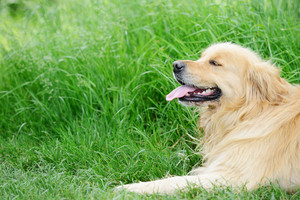
The most effective way to house train a puppy is to create a structured routine that includes regular bathroom breaks, consistent feeding times, and positive reinforcement. Puppies thrive on routine and respond well to rewards, making it essential to reward them every time they eliminate outdoors. By establishing a clear schedule, you help your puppy understand when and where it is appropriate to go.
In addition to a routine, it’s vital to be aware of common mistakes that can hinder house training success. For instance, punishing a puppy for accidents can create fear and confusion, leading to more accidents indoors. Instead, focus on encouraging good behavior with praise and treats. Another challenge is understanding your puppy’s signals; watch for signs that they need to go, such as sniffing around or whining. By being proactive and observant, you can prevent accidents before they happen.
Understanding Puppy Behavior
To effectively house train your puppy, it’s essential to understand their natural behaviors and instincts. Puppies are born with a strong instinct to keep their living area clean, which means they prefer to eliminate away from their sleeping and eating spaces. Recognizing this instinct can help you create an environment that encourages good habits.
Many owners mistakenly think that puppies will naturally know where to go. However, without proper guidance, they may not understand the boundaries. By observing your puppy’s patterns and behaviors, you can better predict when they need to go outside. This understanding is crucial in preventing accidents and reinforcing good habits.
Establishing a Routine
Creating a consistent routine is vital for successful house training. Start by taking your puppy outside frequently, especially after meals, playtime, and naps. A general rule is to take them out every two hours, gradually increasing the time as they learn to hold it longer.
Additionally, set regular feeding times to regulate your puppy’s bathroom schedule. Puppies typically need to eliminate shortly after eating, so timing is key. By establishing a clear routine, you not only help your puppy learn when to go but also reinforce their understanding of where to go.
Using Positive Reinforcement
Positive reinforcement is one of the most effective training techniques when house training a puppy. When your puppy eliminates outside, immediately reward them with praise, treats, or playtime. This helps them associate going outside with positive outcomes, reinforcing the desired behavior.
Be sure to provide rewards immediately after they eliminate to create a strong connection in their minds. Over time, your puppy will learn to associate outdoor elimination with rewards, making them more likely to repeat the behavior. Consistency in rewarding good behavior is crucial for long-term success.
Common Mistakes to Avoid
There are several common mistakes that can impede the house training process. One major mistake is punishing your puppy for accidents. This can lead to fear and anxiety, making them less likely to eliminate in front of you in the future. Instead, focus on guiding them to the right behavior.
Another mistake is not being attentive to your puppy’s signals. If you miss the signs that your puppy needs to go outside, accidents are likely to occur. Additionally, if you rely solely on puppy pads, your puppy may become confused about where they are allowed to eliminate. Aim to transition directly to outdoor elimination as soon as possible.
For additional information on house training techniques, consider checking out reputable sources like training manuals from the American Kennel Club or veterinary advice articles. These resources can provide further insights into effective training strategies tailored to your puppy’s specific needs.
Frequently Asked Questions
What age should I start house training my puppy?
You can start house training your puppy as early as 8 weeks old. At this age, they can begin to understand basic routines and commands.
How often should I take my puppy outside?
Take your puppy outside every 1-2 hours, especially after eating, drinking, or waking up from a nap.
What should I do if my puppy has an accident indoors?
If your puppy has an accident indoors, clean it up without punishment. Focus on reinforcing outdoor elimination with positive rewards instead.
Can I use puppy pads for house training?
Puppy pads can be useful for some situations, but they may confuse your puppy about where it is appropriate to eliminate. Aim for outdoor training whenever possible.
How long does it take to house train a puppy?
The time it takes to house train a puppy varies, but with consistency and patience, most puppies can be trained within 4-6 months.
Conclusion
Successfully house training your puppy requires a combination of routine, positive reinforcement, and a clear understanding of your puppy’s behavior. By establishing a consistent schedule and rewarding good behavior, you can create a strong foundation for your puppy’s training. Remember to be patient and attentive, as every puppy learns at their own pace. Prioritize outdoor elimination and avoid common pitfalls to ensure a smooth training process.