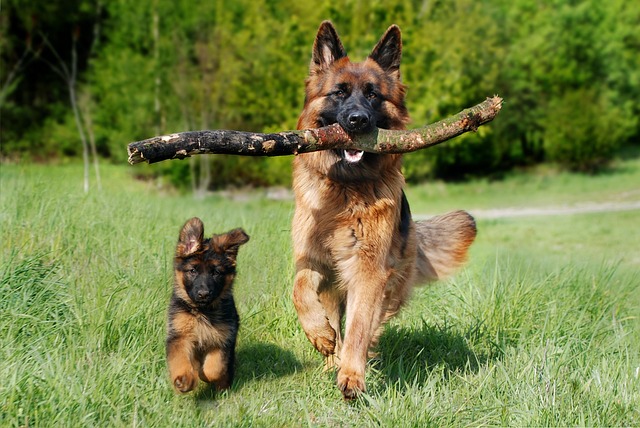
Training a puppy to be alone without anxiety involves gradually helping them adjust to solitude in a way that feels safe and secure. Puppies can experience anxiety when left alone, often due to their natural attachment to their owners and sudden changes in their environment. By implementing a structured approach, you can teach your puppy to feel comfortable and relaxed during alone time.
It’s essential to understand that anxiety can stem from various factors, including lack of exposure to being alone, previous negative experiences, or even breed tendencies. The key is to prioritize gradual exposure and positive reinforcement. Mistakes often occur when owners leave their puppies alone for too long too soon, which can lead to stress and undesirable behaviors.
Understanding Puppy Separation Anxiety
Separation anxiety in puppies is a common issue that arises when they are left alone for the first time. They may exhibit signs such as barking, whining, or destructive behavior. Understanding the root cause of this anxiety is crucial for effective training. Many puppies need time to adjust to being alone, and their reactions can vary based on age, breed, and prior experiences.
Common behaviors associated with separation anxiety include excessive barking, chewing on furniture, or having accidents indoors. Addressing these behaviors involves recognizing them as signs of distress rather than mere mischief. By understanding the psychological state of your puppy, you can tailor your training approach to their specific needs.
Creating a Safe Space
Establishing a designated safe space for your puppy is a fundamental step in easing their anxiety. This area should be comfortable and contain their bed, toys, and water, providing a sense of security. A familiar environment can help reduce stress when they are left alone.
Consider using a crate or a small room where your puppy feels safe. Ensure the space is free from hazards and distractions. Allow your puppy to explore this area while you are present, gradually increasing the time they spend there alone. This familiarity will help them associate the space with comfort and safety.
Gradual Training Techniques
Gradual training is essential for helping your puppy learn to be alone without anxiety. Start by leaving your puppy alone for short periods, such as 5 to 10 minutes, while you are in another room. Gradually increase this time as your puppy becomes more comfortable.
Monitor their behavior during these intervals. If they remain calm, reward them with praise or treats when you return. If they exhibit anxiety, reduce the time you leave them alone and proceed more slowly. This gradual approach allows your puppy to build confidence over time.
Positive Reinforcement Strategies
Positive reinforcement is a powerful tool in training your puppy to be alone without anxiety. Whenever your puppy displays calm behavior during alone time, reward them with praise, treats, or playtime. This reinforces the idea that being alone is a positive experience.
Avoid punishing your puppy for anxious behaviors, as this can exacerbate their anxiety. Instead, focus on rewarding calmness and gradually increasing the duration of alone time. Consider incorporating interactive toys that can keep your puppy occupied while you are away, further promoting a relaxed state.
Frequently Asked Questions
What are the signs of separation anxiety in puppies?
Signs of separation anxiety in puppies include excessive barking, whining, destructive behavior, and accidents indoors.
How long should I leave my puppy alone during training?
Start by leaving your puppy alone for short periods, gradually increasing the time as they become more comfortable with being alone.
Can crate training help with separation anxiety?
Yes, crate training can provide a safe space for your puppy and help them feel secure while alone.
What should I do if my puppy continues to show anxiety?
If your puppy continues to show anxiety, consider consulting a professional dog trainer or behaviorist for tailored strategies.
How can I help my puppy feel more comfortable being alone?
Gradual exposure, positive reinforcement, and creating a safe, comfortable space can help your puppy feel more at ease when alone.
Conclusion
Training your puppy to be alone without anxiety is a crucial part of their development. By understanding the causes of their anxiety and implementing gradual training techniques, you can create a calm environment that fosters independence. Prioritize positive reinforcement and ensure your puppy has a safe space to retreat to when needed. Consistency and patience will lead to lasting results, enabling your puppy to enjoy their alone time without distress.