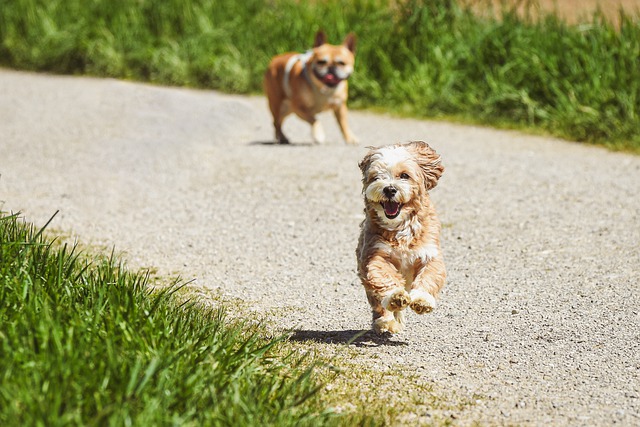
To train a puppy not to pull on the leash, begin with positive reinforcement techniques that encourage loose-leash walking. Puppies often pull due to excitement or the desire to explore their environment, which means addressing this behavior early is essential. By rewarding your puppy for staying by your side, you can instill good walking habits that will make outings enjoyable for both of you.
One common mistake owners make is allowing their puppies to dictate the pace during walks. This can lead to a tug-of-war dynamic where the puppy learns that pulling gets them what they want—freedom to explore. Instead, it’s vital to teach your puppy that walking calmly beside you is more rewarding than pulling ahead. This requires consistency in your approach and patience as your puppy learns the desired behavior.
Understanding the Pulling Behavior
Puppies often pull on the leash due to their natural curiosity and eagerness to explore. This behavior can stem from excitement, fear, or simply the instinct to chase after interesting stimuli. Understanding the root cause of your puppy’s pulling is crucial for effective training. By recognizing these triggers, you can tailor your training methods to suit your puppy’s needs.
Many owners overlook the importance of setting the right environment during walks. For instance, if your puppy gets overly excited by other dogs or people, it may pull to reach them. To combat this, practice walking in a less stimulating area until your puppy learns to stay focused on you. This gradual exposure will help reduce pulling tendencies over time.
Essential Training Techniques
Incorporating specific training techniques can significantly help in teaching your puppy not to pull on the leash. One effective method is the “stop-and-go” technique, where you stop walking whenever your puppy begins to pull. This teaches your puppy that pulling leads to a halt in the walk, encouraging them to stay close.
Another approach is to use treats to guide your puppy into the desired position. When your puppy walks beside you without pulling, reward them with a treat or praise. This positive reinforcement encourages them to repeat the behavior. Consistency is key; ensure that everyone in your household follows the same training methods to avoid confusion.
Common Mistakes to Avoid
Many owners inadvertently reinforce pulling behavior by allowing their puppies to lead during walks. This can create a habit that’s hard to break. Additionally, using the wrong collar or harness can contribute to pulling, as some devices may not provide enough control. Opt for a harness designed to discourage pulling, which can help manage your puppy’s movement effectively.
Another mistake is failing to practice in different environments. Training should occur in various settings to help your puppy generalize the behavior. If you only practice in a quiet area, they may struggle to maintain good leash manners in busier environments.
Maintaining Consistency in Training
Consistency is crucial when training your puppy not to pull on the leash. Make sure to set regular training sessions and practice walking techniques daily. Reinforce good behavior consistently and be patient; it may take time for your puppy to fully grasp the concept of walking calmly beside you.
Incorporate short training sessions into your daily routine to keep your puppy engaged. Frequent, brief practices can be more effective than longer sessions, especially for young puppies with shorter attention spans. Over time, your puppy will learn to associate walking beside you with positive outcomes.
Frequently Asked Questions
What is the best way to stop my puppy from pulling on the leash?
The best way to stop a puppy from pulling on the leash is to use positive reinforcement techniques, rewarding them for walking calmly beside you.
How long does it take to train a puppy not to pull?
Training a puppy not to pull can take several weeks to months, depending on the puppy’s age, temperament, and consistency of training.
Should I use a harness or a collar for leash training?
A harness is often recommended for leash training as it provides better control and reduces the risk of injury to your puppy’s neck.
What should I do if my puppy gets distracted during walks?
If your puppy gets distracted, use treats to regain their focus, and practice in quieter environments until they learn to stay attentive.
Can I train my puppy not to pull on the leash by myself?
Yes, you can train your puppy not to pull on the leash by yourself, but consistency and patience are key to successful training.
Conclusion
Training your puppy not to pull on the leash is a vital skill that enhances your walking experience together. By understanding the reasons behind pulling and applying positive reinforcement techniques, you can encourage your puppy to walk calmly beside you. Remember to be consistent and patient, as it may take time for your puppy to adapt to new behaviors. Regular practice in varied environments will help solidify these skills, ensuring enjoyable walks for both you and your puppy.