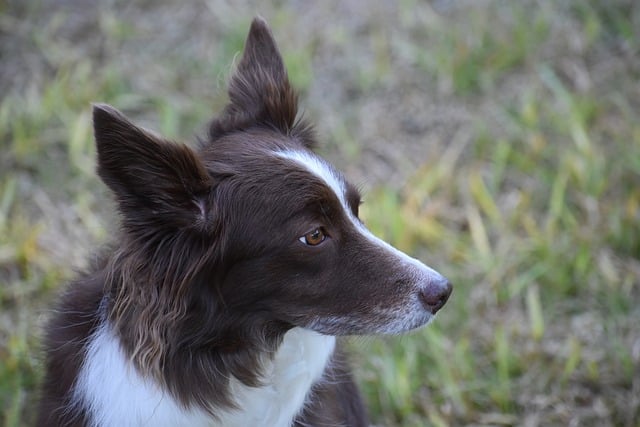
Teaching a new puppy to sit, stay, and come is essential for establishing good behavior and safety. These commands lay the groundwork for effective communication and training, ensuring your puppy responds well in different situations. Positive reinforcement techniques, such as using treats and praise, can significantly enhance the learning process.
Real-world application of these commands can prevent dangerous situations and foster a stronger bond between you and your puppy. Mistakes often occur when owners rush the training process or fail to remain consistent. Ensure that your puppy associates each command with a reward and remains engaged during training sessions.
The Importance of Basic Commands
Basic commands such as sit, stay, and come are vital for any puppy’s training. They not only help maintain control in various situations but also enhance the safety of your puppy and others. By mastering these commands, you create a structured environment for your puppy, which can lead to a more disciplined and well-behaved pet.
Understanding the significance of these commands goes beyond training; it establishes a communication channel between you and your puppy. It is essential to recognize that a lack of basic training can lead to behavioral issues later on. Therefore, investing time in teaching these commands early on is crucial.
Training Techniques for Sit
To teach your puppy to sit, begin by holding a treat close to their nose. Slowly move the treat upwards, which encourages their head to follow the treat, causing their bottom to lower. Once they are in a sitting position, immediately reward them with the treat and praise.
Consistency is key in this training. Practice several times a day in short sessions, ensuring that your puppy remains engaged. If they struggle, consider adjusting the environment to minimize distractions. This method reinforces the command and builds a positive association with sitting.
Training Techniques for Stay
To train your puppy to stay, start by getting them to sit. Once they are seated, open your palm in front of them and say “stay.” Take a few steps back while maintaining eye contact. If they remain in place, return to them, reward them, and praise them.
Gradually increase the distance and duration of the stay command. If your puppy breaks the stay, calmly return them to the starting position without giving a reward. This will help them learn the importance of remaining in place until released.
Training Techniques for Come
The come command is crucial for your puppy’s safety. To teach this command, start in a quiet area and call your puppy using their name followed by “come.” Use a happy tone and kneel down to encourage them to approach you.
When they reach you, reward them with treats and praise. Practice this command frequently, gradually introducing distractions. If your puppy does not respond, avoid scolding; instead, make the command more appealing by using a higher-value treat or toy.
Frequently Asked Questions
What age should I start training my puppy?
Start training your puppy as early as 8 weeks old. Early socialization and training help establish good behavior patterns.
How long should training sessions last?
Keep training sessions short, around 5-10 minutes, to maintain your puppy’s attention and prevent frustration.
What if my puppy doesn’t respond to commands?
If your puppy isn’t responding, check for distractions, ensure you’re using high-value rewards, and practice in a quiet environment.
Can I train my puppy without treats?
Yes, you can use praise, toys, or playtime as rewards. Find what motivates your puppy the most.
How often should I practice these commands?
Practice these commands daily, ideally multiple times throughout the day, to reinforce learning and build consistency.
Conclusion
Teaching your puppy the commands to sit, stay, and come is essential for effective communication and safety. These foundational skills will help shape your puppy’s behavior and strengthen your bond. Focus on consistency, positive reinforcement, and patience during training sessions to ensure your puppy learns effectively. Remember to make training enjoyable for both you and your puppy to foster a lasting relationship.