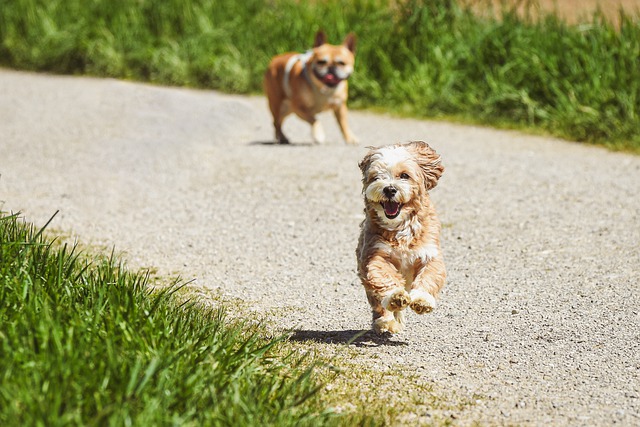
To train a puppy not to bite kids, it’s essential to redirect their biting behavior through appropriate toys and commands. Puppies typically bite due to teething or playful instincts, making it crucial to provide them with suitable chew items. Establishing a foundation of consistent training and supervision during playtime with children can significantly reduce the likelihood of biting incidents.
Understanding the reasons behind a puppy’s biting behavior is pivotal. Puppies explore their environment with their mouths, and they often bite as a way to communicate or engage in play. If they are not taught the difference between acceptable and unacceptable behavior, they may inadvertently hurt a child during play. It is vital to prioritize teaching your puppy appropriate play behavior while ensuring that children understand how to interact safely with their furry friend.
Understanding Puppy Behavior
Puppies often bite as a natural behavior to explore and communicate. This is particularly prevalent during playtime or when they are teething. Recognizing that this behavior is not malicious can help owners react appropriately. Puppies need to learn the boundaries of play, especially when interacting with children. Teaching them to differentiate between gentle play and aggressive biting is essential for their development.
To manage biting, it’s important to observe when and why it occurs. If a puppy becomes overly excited or agitated, they may bite harder. Providing them with a safe outlet for their energy, such as interactive toys or engaging activities, can help redirect this urge. Additionally, ensuring that children understand how to play gently and respect the puppy’s space can create a safer environment.
Teaching Bite Inhibition
Bite inhibition refers to a dog’s ability to control the force of their bite. Teaching this skill is crucial for preventing injuries during play. Start by allowing your puppy to play with you using their mouth, but if they bite too hard, let out a high-pitched yelp and stop the play immediately. This reaction mimics how their littermates would respond and teaches them that biting results in losing playtime.
Consistency is key when teaching bite inhibition. Use positive reinforcement to reward gentle behavior, such as giving treats or praise when your puppy plays softly. Gradually, they will learn to adjust their bite pressure. Incorporating training sessions that focus on commands such as ‘gentle’ can further reinforce this behavior.
Supervision and Interaction Guidelines
Supervision is critical when young children and puppies interact. Always monitor their play to prevent biting incidents and to intervene if the puppy becomes too excited. Teaching children how to interact with the puppy safely is equally important. They should be instructed to avoid rough play and to stay calm during interactions.
Creating safe zones for both children and puppies can help manage their interactions. If the puppy begins to bite or get too rambunctious, redirect their attention to a toy or a different activity. This not only protects the child but also teaches the puppy what is appropriate behavior during playtime.
Common Mistakes to Avoid
One of the biggest mistakes pet owners make is not providing enough appropriate toys for the puppy to chew on. If they don’t have suitable options, they may resort to biting children or furniture. Additionally, inconsistent training can confuse the puppy and hinder their learning process.
Another common error is allowing children to play roughly with the puppy. This can reinforce biting behavior and create a dangerous situation. It’s essential to establish clear rules for both the puppy and the children to ensure safe interactions.
Frequently Asked Questions
What should I do if my puppy bites my child?
Immediately redirect the puppy’s attention to a toy and calmly intervene to avoid escalating the situation.
How can I teach my puppy not to bite?
Use positive reinforcement techniques, such as rewarding gentle play and redirecting biting to appropriate toys.
Is it normal for puppies to bite?
Yes, puppies naturally bite as a form of exploration and play. However, they must learn boundaries.
What toys are best for preventing puppy biting?
Durable chew toys and interactive toys that encourage play can help redirect biting away from children.
How long does it take to train a puppy not to bite?
Training can vary, but with consistent effort, most puppies can learn appropriate behavior within a few weeks.
Conclusion
Training a puppy not to bite kids is a critical aspect of ensuring safe interactions between your pet and children. By understanding puppy behavior, employing effective bite inhibition techniques, and maintaining supervision, you can foster a positive environment. Remember to be consistent in your training methods and to provide appropriate toys for your puppy, which will help them learn appropriate play behavior. Prioritizing these strategies will lead to a harmonious relationship between your puppy and children.