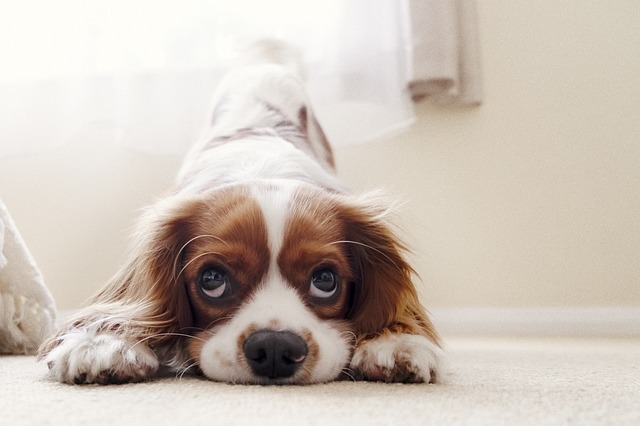
To successfully potty train a puppy without a crate, establish a consistent routine, take your puppy outside frequently, and use positive reinforcement immediately after they eliminate outdoors. Many owners fail due to irregular schedules or insufficient supervision. Additionally, puppies may struggle with accidents indoors if they are not given enough opportunities to relieve themselves outside. Start by setting a schedule for bathroom breaks, ideally every 1-2 hours, and always reward your puppy for going outside. This approach helps build positive associations with outdoor elimination.
Consistency is crucial; ensure you take your puppy out at the same times each day, such as after meals, upon waking, or after play sessions. This regularity helps your puppy learn when and where they should go. Be mindful of your puppy’s behavior; signs of needing to go include sniffing, circling, or whining. When you observe these behaviors, act quickly to take them outside.
One common mistake is assuming that puppies will naturally know where to go. Puppies are not born with this knowledge; they rely on their owners to guide them. Additionally, be aware of environmental factors that may affect your puppy’s ability to eliminate outside. Weather conditions, distractions, or unfamiliar surroundings can cause anxiety or reluctance. Always create a calm, inviting atmosphere outdoors and allow your puppy time to relax and find the right spot.
Establishing a Routine
Creating a structured potty schedule is essential for effective training. Puppies thrive on routine, so taking them out at consistent times helps them learn when to expect bathroom breaks. Aim for every 1-2 hours, and increase frequency after meals, play, or naps.
By establishing this routine, you reinforce the idea that outside is the designated bathroom area. Be patient and prepared for accidents; they are part of the learning process. If your puppy has an accident inside, clean it thoroughly to remove any lingering scent that might encourage them to return to the same spot.
Moreover, consider the timing of your puppy’s meals. Feeding them at the same time each day can help predict when they will need to go outside. Understanding and respecting your puppy’s natural rhythms will lead to more successful training outcomes.
Positive Reinforcement Techniques
Using positive reinforcement is one of the most effective methods for potty training. Whenever your puppy eliminates outside, immediately reward them with praise, treats, or playtime. This approach helps them associate going outside with positive experiences.
Timing is critical; rewards should be given right after they finish going to reinforce the behavior. Avoid scolding your puppy for accidents inside, as this can create fear or anxiety around elimination, making training more difficult.
Consider tracking your puppy’s successes and challenges to identify patterns. This information can help you adjust your approach, ensuring that you provide ample opportunities for your puppy to succeed and receive rewards.
Recognizing Signs
Being attentive to your puppy’s behavior is crucial for successful potty training. Signs that they need to go include sniffing around, circling, whining, or heading toward the door. Recognizing these behaviors allows you to intervene and take them outside before an accident occurs.
Additionally, keep an eye on your puppy’s body language during outdoor breaks. If they seem distracted or anxious, they may need more time to feel comfortable. Allow your puppy to explore the area and find a suitable spot to relieve themselves.
Understanding your puppy’s unique cues will not only help prevent accidents but also build a stronger bond between you and your pet. As you become more attuned to their needs, training will become more effective.
Common Mistakes to Avoid
One of the most significant mistakes owners make is failing to supervise their puppy closely enough. Accidents can happen quickly, and if you’re not watching, your puppy may not learn where it’s appropriate to go. Always keep your puppy within your sight, especially during the early stages of training.
Another common error is punishing a puppy for accidents. This can create stress and confusion, leading to more accidents. Instead, focus on redirecting your puppy to the correct behavior and rewarding them for successes.
Lastly, don’t forget about environmental factors that can affect your puppy’s willingness to go outside. Be aware of distractions, weather conditions, and unfamiliar surroundings that may create anxiety. Ensuring a calm, inviting environment is key to successful potty training.
Further Reading
Authoritative Sources
- Ready.gov
ready.govOfficial U.S. preparedness guidance, checklists, and planning resources for households and emergencies.
- FEMA
fema.govFederal emergency management resources, disaster planning information, and recovery guidance.
- American Red Cross Emergency Preparedness
redcross.orgPractical emergency preparation steps, supply lists, and safety guidance for families.
- National Weather Service
weather.govOfficial forecasts, hazard alerts, and weather safety information.
- CDC Emergency Preparedness and Response
cdc.govPublic health guidance for emergencies, disasters, and recovery situations.
Frequently Asked Questions
How long does it take to potty train a puppy without a crate?
The time it takes to potty train a puppy varies, typically ranging from a few weeks to several months, depending on the puppy’s age, breed, and consistency of training.
What if my puppy has accidents inside?
Accidents are a normal part of the training process. Clean the area thoroughly to remove odors and take your puppy outside more frequently to reinforce proper behavior.
Can I use pee pads while training my puppy?
Pee pads can be a helpful tool for training, especially for small breeds or apartment living, but can also confuse your puppy about where it’s appropriate to go.
What should I do if my puppy refuses to go outside?
If your puppy is hesitant to go outside, try creating a calm and inviting environment. Allow extra time for them to explore and feel comfortable.
Is it normal for puppies to regress in their training?
Yes, regression is common in puppies, especially during stressful situations or changes in their environment. Be patient and continue reinforcing positive behavior.
Conclusion
Potty training a puppy without a crate requires patience, consistency, and positive reinforcement. Focus on establishing a routine that includes regular bathroom breaks, recognizing signs of needing to go, and rewarding your puppy for successful outdoor elimination. Avoid common pitfalls such as lack of supervision and punishing accidents. With time and dedication, your puppy will learn to associate outside with their bathroom needs, leading to a successful training experience.