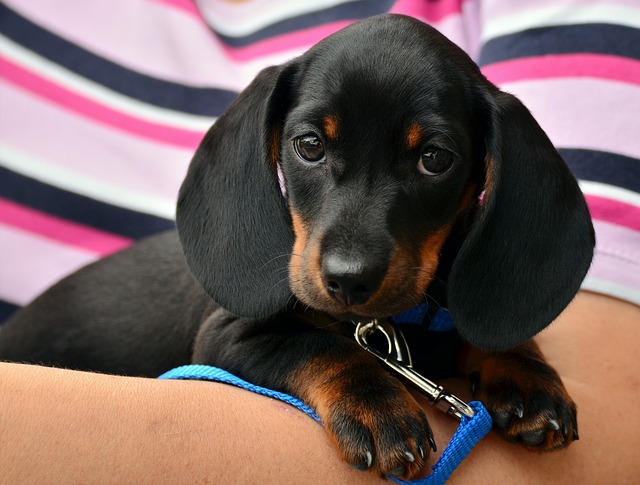
Understanding the importance of patience in training is crucial. Puppies naturally have short attention spans, so it’s vital to keep training sessions brief and engaging. Begin with the sit command by holding a treat above your puppy’s head, causing them to naturally lower their bottom to the ground. Once they sit, immediately reward them with the treat and praise. This creates a positive association with the command.
As you progress, the stay command requires more focus. After your puppy sits, use the stay command while slowly stepping back. If they stand up, gently guide them back to the sitting position and try again. Avoid scolding, as this can create fear or confusion. Instead, use a firm but gentle tone to reinforce the command. Gradually increase the distance and duration of the stay, rewarding your puppy for remaining in place.
Setting Up for Success
Creating a conducive environment for training is essential. Choose a quiet space free from distractions to help your puppy focus. Start with short sessions, ideally 5-10 minutes, to keep your puppy engaged. Puppies often become overwhelmed with longer sessions, which can lead to frustration for both the puppy and the trainer.
Use high-value treats that your puppy loves to keep them motivated. This could be small pieces of chicken, cheese, or specialized puppy training treats. The key is to make training enjoyable for them. Ensure that your puppy is well-rested before training sessions, as tired puppies may not be as responsive.
Consistency is crucial in training. Use the same commands and gestures every time to avoid confusing your puppy. Having all family members on the same page will help reinforce the training and ensure that your puppy learns faster. If different people use different commands, it can lead to mixed signals.
Common Mistakes to Avoid
One common mistake is moving too quickly through the training process. Puppies need time to learn and adjust to commands. Rushing can lead to confusion and frustration. Ideally, master one command before introducing another.
Another mistake is failing to reward appropriately. If your puppy does not receive immediate positive reinforcement after performing a command, they may not associate the behavior with the reward. Always reward promptly when they succeed, even if it means repeating the command several times.
Avoid using negative reinforcement or punishment, as this can harm the bond between you and your puppy. Instead, focus on positive reinforcement techniques that encourage good behavior. If your puppy struggles with a command, take a step back and simplify the task.
Effective Reinforcement Techniques
Using treats is a powerful reinforcement method, but verbal praise and affection can be just as effective. Puppies thrive on attention and approval from their owners. When your puppy successfully follows a command, use a cheerful tone and pet them to reinforce the behavior.
Incorporate playtime as a reward after training sessions. If your puppy enjoys fetch or tug-of-war, use these activities as a reward for good behavior. This helps them associate training with fun and positive experiences.
Gradually phase out treats as your puppy becomes more reliable with commands. You can begin to reward them intermittently to maintain their interest and motivation. This approach helps prevent dependency on treats for obedience.
Training in Different Environments
Once your puppy has mastered sit and stay in a quiet environment, it’s important to practice in more distracting settings. Start in your backyard, then progress to public places where other dogs and people are present. This helps your puppy learn to focus despite distractions.
Always be prepared to return to a quieter space if your puppy becomes overwhelmed. Training in various environments helps generalize their understanding of commands, making them more reliable in different situations. Use shorter sessions in busy areas to maintain their attention.
Remember to carry treats and practice commands during walks or outings. This not only reinforces training but also provides mental stimulation for your puppy. The more opportunities you create for them to practice, the better they will become at obeying commands.
Further Reading
Authoritative Sources
- American Kennel Club Training Resources
akc.orgComprehensive articles and resources on puppy training and behavior
- Cesar’s Way: Puppy Training
cesarsway.comExpert advice on training techniques from renowned dog trainer Cesar Millan
- ASPCA: Dog Training
aspca.orgHelpful tips and resources for training dogs effectively and humanely
Frequently Asked Questions
How long does it take to train a puppy to sit and stay?
Training a puppy to sit and stay can take anywhere from a few days to several weeks, depending on the puppy’s age, breed, and temperament. Consistency and patience are key.
What should I do if my puppy won’t stay?
If your puppy won’t stay, ensure you are using high-value rewards and practicing in a distraction-free environment. Gradually increase the level of difficulty as they improve.
Can I train my puppy without treats?
Yes, you can train your puppy using verbal praise, affection, and play as rewards. However, treats can be very effective, especially for initial training.
What age should I start training my puppy?
You can start training your puppy as early as 8 weeks old. Early socialization and training help set the foundation for good behavior.
Is it normal for puppies to be distracted during training?
Yes, puppies have short attention spans and can easily get distracted. Keep training sessions short and gradually increase distractions as they learn.
Conclusion
Training your puppy to sit and stay is a fundamental skill that lays the groundwork for further obedience. Focus on creating a positive, distraction-free environment to start training, and always use consistent commands and rewards. Avoid common pitfalls like impatience and confusion by taking your time and gradually increasing the complexity of training sessions. With dedication and patience, your puppy will master these commands, leading to a well-behaved and happy companion.