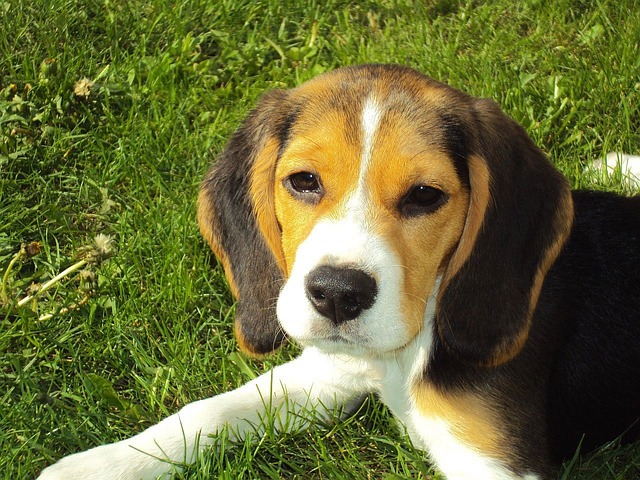
Understanding the reasons behind your puppy’s reluctance can significantly improve your training approach. For instance, if your puppy seems anxious or frightened outside, it may be due to unfamiliar sounds or sights. Creating a calm environment and gradually exposing your puppy to different outdoor scenarios can help ease these fears. Additionally, establishing a consistent potty schedule reinforces the habit of going outside.
Identifying Fear Factors
Fear can be a significant barrier to a puppy’s willingness to go potty outside. Common fear factors include loud noises, unfamiliar environments, or even the presence of other animals. If your puppy is hesitant, observe their body language for signs of stress, such as tail tucking or cowering.
To address fear, start by gradually introducing your puppy to the outdoor environment. Spend time outside with them without the pressure of needing to potty. Use positive reinforcement, like treats and praise, when they show curiosity or calm behavior in the environment. This gradual exposure can help build their confidence.
Establishing a Routine
A consistent potty schedule is essential for teaching your puppy when and where to go. Puppies thrive on routine, and establishing specific times for potty breaks can reinforce this behavior.
Take your puppy outside after meals, play sessions, and naps. Keep the potty breaks short and focused, allowing them time to relieve themselves without distractions. If your puppy doesn’t go, try again in a few minutes. Using a specific command like “go potty” can help them associate the phrase with the action.
Minimizing Distractions
Distractions can prevent your puppy from focusing on their need to go potty. Common distractions include other dogs, children playing, or even interesting smells. To minimize distractions, choose a quiet area for potty breaks.
Consider using a leash to keep your puppy close and focused during bathroom breaks. If they seem too distracted, try to redirect their attention with a toy or treat. Over time, they will learn to focus on the task at hand.
Health Considerations
Sometimes, a puppy’s refusal to go potty outside can be linked to health issues. If your puppy consistently avoids going outside or shows signs of discomfort, it may be worth consulting a veterinarian.
Common health issues affecting potty behavior include urinary tract infections or gastrointestinal problems. If your puppy exhibits any unusual signs, such as straining to go or blood in their urine, seek veterinary advice promptly. Early intervention can prevent more serious issues and help your puppy feel more comfortable.
Further Reading
Authoritative Sources
- American Kennel Club
akc.orgThe AKC provides comprehensive resources about puppy training, including potty training tips
- ASPCA
aspca.orgThe ASPCA offers guidance on pet behavior and health, including common issues affecting potty training
Frequently Asked Questions
Why does my puppy refuse to go potty outside?
Your puppy may refuse to go outside due to fear, distractions, or lack of a consistent potty routine.
How can I help my puppy feel more comfortable outside?
Gradually expose your puppy to the outdoor environment and use positive reinforcement to build their confidence.
What should I do if my puppy won’t go potty outside after several attempts?
If your puppy doesn’t go after a few tries, bring them back inside and try again later. Ensure they have a consistent schedule.
Are there health issues that can affect my puppy’s potty habits?
Yes, health issues such as urinary tract infections or gastrointestinal problems can affect your puppy’s willingness to go potty.
How often should I take my puppy outside to potty?
Take your puppy outside after meals, playtime, and naps, typically every 1-2 hours for young puppies.