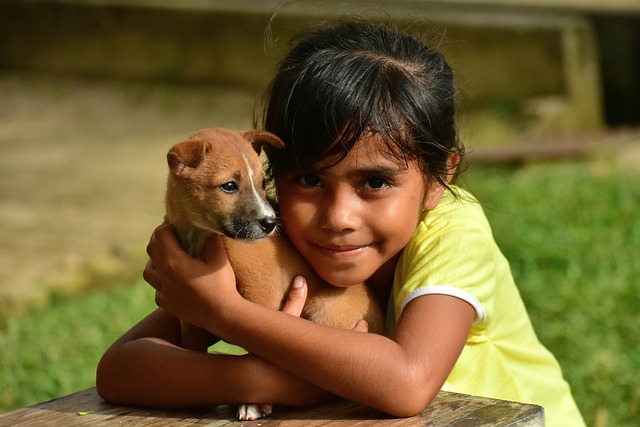
When a puppy becomes overly excited, their bite inhibition may diminish, leading to nipping or biting during play. This can be problematic not only for the puppy’s interactions with humans but also with other dogs. It’s essential to recognize the signs of excitement and to manage the environment to prevent unwanted biting behaviors. Training and redirection are key in teaching puppies how to express their excitement without using their mouths.
Understanding Puppy Excitement
Puppies experience excitement as a part of their natural behavior, which can lead to increased biting. Their energy levels peak during playtime, and they may not yet understand the boundaries of appropriate behavior. Recognizing the difference between playful nipping and aggressive biting is crucial.
puppies bite when they are overwhelmed with joy or stimulated. This behavior is common among young dogs as they learn to interact with their environment. Understanding this excitement and its manifestations can help owners intervene effectively, ensuring that play remains safe and enjoyable.
Common Triggers for Biting
Several factors can trigger a puppy’s excitement and subsequent biting. These include interactions with other dogs, rough play, and even the presence of new people or animals. Puppies are naturally curious and may bite as a way to explore their surroundings.
Being aware of these triggers allows dog owners to manage situations better. For instance, if your puppy tends to bite when playing with other dogs, it may be beneficial to supervise these interactions closely and step in when excitement escalates. Identifying and mitigating these triggers can reduce the frequency of biting incidents.
Effective Management Techniques
To manage biting effectively, it’s essential to provide appropriate outlets for your puppy’s energy. Engaging in regular play sessions, allowing for ample exercise, and providing chew toys can help redirect their enthusiasm into acceptable behaviors.
Additionally, implementing time-outs when biting occurs can teach puppies that such behavior leads to the end of fun. Consistency is key; using the same commands and cues will help your puppy learn what is acceptable. This approach not only curbs biting but also strengthens the bond between you and your puppy.
Training for Bite Inhibition
Training for bite inhibition is an important aspect of managing a puppy’s biting behavior. Puppies learn to control their bite strength through play with littermates and interactions with humans. Encouraging gentle play can reinforce this behavior.
When your puppy bites too hard, let out a yelp or a high-pitched sound to mimic the feedback they would receive from another dog. This signals to them that they need to be gentler. Over time, they will learn to modulate their biting strength, resulting in safer interactions.
Further Reading
Authoritative Sources
- American Kennel Club
akc.orgTrusted dog training, behavior, breed, and puppy care guidance.
- American Veterinary Medical Association
avma.orgVeterinary guidance and animal health resources from a major professional association.
- ASPCA Pet Care
aspca.orgAnimal care, behavior, and safety resources for pet owners.
- Merck Veterinary Manual
merckvetmanual.comDetailed veterinary reference material on animal conditions, care, and treatment topics.
- AAHA for Pet Owners
aaha.orgPet owner guidance from the American Animal Hospital Association.
Frequently Asked Questions
Why does my puppy bite more when playing?
Puppies often bite during play as a natural instinct to express excitement and engage with their environment.
How can I train my puppy to stop biting?
Use consistent commands, redirect their biting to toys, and apply time-outs to help them learn acceptable behavior.
Is it normal for puppies to bite during teething?
Yes, puppies may bite more when teething as they seek relief from discomfort, making chew toys essential during this stage.
Providing appropriate chew toys can help alleviate teething discomfort and redirect their biting.
What should I do if my puppy bites too hard?
Respond with a high-pitched yelp to signal that the bite was too hard, and immediately stop play to reinforce the message.
Can excitement lead to aggressive biting?
While excitement can lead to increased biting, it is crucial to differentiate between playful nipping and aggressive behavior. Monitoring interactions helps ensure safety.