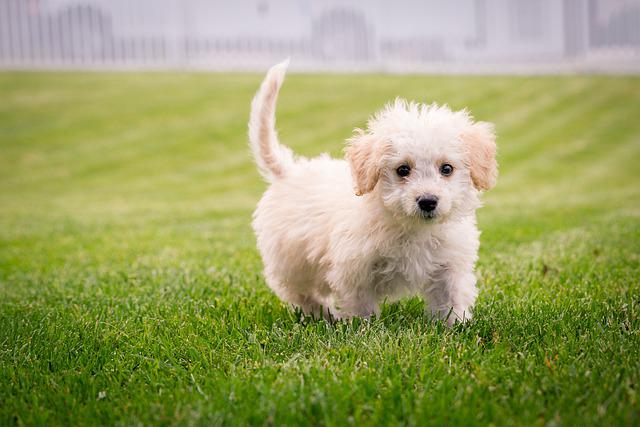
Using positive reinforcement not only fosters a positive learning environment but also helps avoid the negative consequences associated with punishment-based training methods, such as fear or aggression. Common mistakes include inconsistency in rewarding behaviors or failing to reward immediately after the desired action, which can confuse the puppy. Furthermore, understanding the timing and type of rewards is crucial to effectively reinforce good behavior.
Understanding Positive Reinforcement
Positive reinforcement involves rewarding a puppy for exhibiting desirable behaviors, which increases the likelihood of those behaviors being repeated. This method capitalizes on the natural learning process where animals associate specific actions with positive outcomes. For instance, giving a treat when a puppy sits on command reinforces that behavior.
It’s essential to identify what motivates your puppy, whether it’s food, toys, or affection. By understanding these motivators, you can tailor your training sessions to be more effective. Additionally, immediate rewards are crucial; delaying rewards can lead to confusion about what behavior is being reinforced.
Common Pitfalls in Puppy Training
One of the most significant pitfalls in puppy training is inconsistency. If you only reward your puppy sometimes for a behavior, it may lead to confusion and frustration. Another issue is the timing of the reward; if you wait too long to give a reward after the desired behavior, the puppy may not associate the reward with the action.
Additionally, using the wrong type of reward can also be detrimental. For example, if a puppy is not food motivated, using treats may not be effective. Instead, focus on what your puppy responds to best, whether it’s verbal praise or playtime. Understanding these nuances can help you avoid common training setbacks.
Effective Techniques for Positive Reinforcement
To effectively implement positive reinforcement, start with simple commands and gradually increase complexity as your puppy learns. Begin with basics like “sit” or “stay,” rewarding immediately when the puppy complies. Use a clicker or a specific word as a marker to signal the exact moment your puppy performs the desired behavior.
Keep training sessions short and engaging to maintain your puppy’s attention. Incorporate playtime or interactive toys as rewards to make training enjoyable. Consistency is key; practice regularly and ensure everyone in the household uses the same commands and rewards to avoid confusion.
Comparing Positive Reinforcement to Other Methods
Positive reinforcement stands out compared to more traditional training methods like punishment-based training. While punishment can lead to immediate compliance, it often results in fear and anxiety, which can harm the puppy’s overall well-being and relationship with its owner. In contrast, positive reinforcement builds trust and encourages a healthy, cooperative relationship.
Moreover, studies have shown that dogs trained with positive reinforcement are more likely to retain learned behaviors long-term. This method not only fosters a more enjoyable training experience but also enhances the puppy’s socialization skills, making them more adaptable in various environments.
Further Reading
For those interested in exploring more about positive reinforcement and puppy training techniques, consider checking out reputable sources such as veterinary behaviorists or certified dog trainers. These professionals often provide valuable insights and practical advice tailored to different breeds and temperaments.
Further Reading
Authoritative Sources
- MedlinePlus
medlineplus.govConsumer-friendly medical and health information from the U.S. National Library of Medicine.
- National Institutes of Health
nih.govResearch-based health information and links to authoritative medical resources.
- Centers for Disease Control and Prevention
cdc.govOfficial public health guidance, prevention resources, and topic-specific recommendations.
- Mayo Clinic
mayoclinic.orgTrusted clinical guidance, symptom explainers, and treatment overviews.
- World Health Organization
who.intGlobal health guidance, fact sheets, and evidence-based public health information.
Frequently Asked Questions
What is positive reinforcement in puppy training?
Positive reinforcement involves rewarding your puppy for desired behaviors, enhancing the likelihood of those behaviors being repeated.
Why is positive reinforcement better than punishment?
Positive reinforcement fosters trust and a positive bond between the dog and trainer, while punishment can lead to fear and anxiety.
How can I effectively use treats in training?
Use treats that your puppy loves and reward immediately after the desired behavior to create a strong association.
What if my puppy isn’t motivated by treats?
Identify other motivators, such as toys or praise, and use those as rewards during training sessions.
How often should I train my puppy?
Short, consistent training sessions of about 5-10 minutes, several times a day, are most effective for puppies.
Conclusion
In summary, positive reinforcement is the most effective approach to puppy training, fostering a trusting relationship while promoting desirable behaviors. By avoiding common pitfalls and focusing on immediate, appropriate rewards, you can create a successful training environment. Prioritize understanding your puppy’s motivations and maintain consistency to ensure effective learning. Start implementing these techniques today to see positive results in your puppy’s behavior.