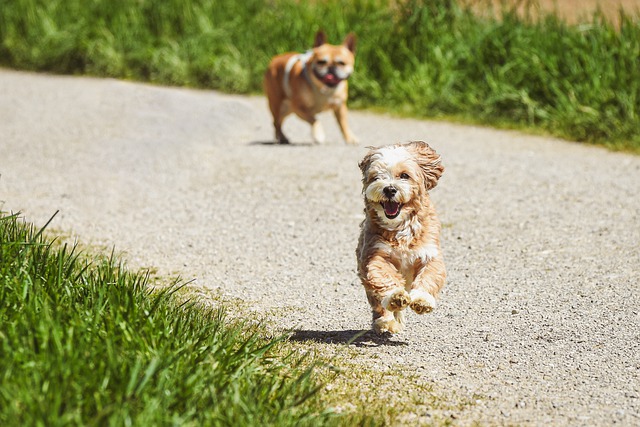
When training your puppy to sit, it’s vital to use positive reinforcement techniques. Rewarding your puppy with treats or praise when they correctly execute the command not only encourages compliance but also strengthens your bond. Common mistakes include using harsh corrections, which can create fear and confusion, and failing to practice consistently, leading to misunderstandings about the command.
The Importance of the Sit Command
The ‘Sit’ command is crucial for establishing control and is often the first command taught to puppies. It helps in managing your dog’s behavior in various situations, such as during walks, around guests, or when waiting for food. This command not only aids in obedience but also promotes safety, as it can prevent jumping or running into dangerous situations.
Understanding the significance of the ‘Sit’ command allows owners to prioritize their training efforts. By mastering this command, puppies learn to focus, which is essential for progressing to more complex commands. Additionally, a well-taught ‘Sit’ can be a calming cue for your puppy, helping them settle in stressful situations.
Steps to Teach Your Puppy to Sit
To effectively teach your puppy to sit, follow these straightforward steps:
- Start in a distraction-free environment with your puppy on a leash.
- Hold a treat close to their nose and move it upwards, causing their head to follow the treat.
- As their head goes up, their bottom will lower. Once they are in a sitting position, say ‘Sit’ and immediately reward them with the treat.
- Repeat this process several times in short, positive training sessions.
- Gradually phase out the treat while continuing to use verbal praise.
Using a clicker can also enhance training by marking the exact moment your puppy sits, reinforcing the behavior. Consistency is key, so practice regularly but keep sessions short to maintain your puppy’s attention.
Common Mistakes in Training
Many owners make the mistake of expecting immediate results. Training takes time, and each puppy learns at their own pace. Another common pitfall is not rewarding the puppy promptly after they sit; delayed rewards can confuse them about what behavior is being reinforced.
Additionally, some owners inadvertently reinforce jumping or barking by giving attention when the puppy misbehaves. It’s important to ignore unwanted behaviors and only reward the desired ‘Sit’ action. Avoid using negative reinforcement, as it can damage trust and hinder training progress.
Building on the Sit Command
Once your puppy has mastered the ‘Sit’ command, you can build on this foundation by introducing other commands like ‘Stay’ and ‘Come.’ These commands can be taught by using ‘Sit’ as a starting point, creating a structured learning environment. For example, once your puppy sits, you can ask them to stay for a few moments before rewarding them.
Incorporating the ‘Sit’ command in daily routines, such as waiting before meals or before going for walks, reinforces its importance. This not only improves obedience but also sets the stage for advanced training, ensuring your puppy becomes a well-rounded and disciplined dog.
Further Reading
Authoritative Sources
- American Kennel Club
akc.orgTrusted dog training, behavior, breed, and puppy care guidance.
- American Veterinary Medical Association
avma.orgVeterinary guidance and animal health resources from a major professional association.
- ASPCA Pet Care
aspca.orgAnimal care, behavior, and safety resources for pet owners.
- Merck Veterinary Manual
merckvetmanual.comDetailed veterinary reference material on animal conditions, care, and treatment topics.
- AAHA for Pet Owners
aaha.orgPet owner guidance from the American Animal Hospital Association.
Frequently Asked Questions
What age should I start training my puppy to sit?
Puppies can start learning the ‘Sit’ command as early as 8 weeks old, as they are capable of understanding basic commands.
How long should training sessions last?
Training sessions should be short, around 5-10 minutes, to keep your puppy engaged and prevent frustration.
Can I use treats to train my puppy?
Yes, using treats is an effective way to reward and motivate your puppy during training sessions.
What if my puppy doesn’t sit?
If your puppy doesn’t sit, ensure you are using the right techniques and try breaking the steps down further. Patience is key.
Is it necessary to train my puppy to sit?
Yes, teaching your puppy to sit is essential for their safety and helps establish good behavior patterns.
Conclusion
Ultimately, the ‘Sit’ command is a vital first step in puppy training that establishes effective communication and discipline. Prioritizing this command will set the foundation for further training and enhance your puppy’s behavior in various situations. By using positive reinforcement and being patient, you can ensure your puppy learns this essential command and becomes a well-behaved companion.