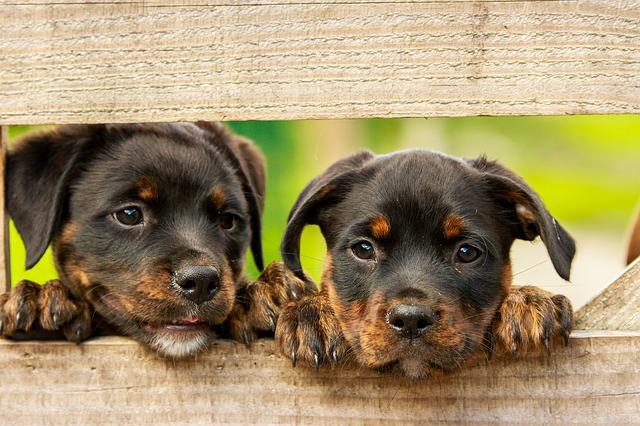
Many new puppy owners underestimate the importance of timing and location in the potty training process. Without a yard, it can be challenging to find suitable spots for your puppy to relieve themselves. Expect that your puppy will need to go right after meals, playtime, or waking up. By anticipating these moments and responding promptly, you can minimize accidents inside the apartment.
Choosing the Right Potty Area
Selecting an appropriate potty area is crucial for successful training. Look for a quiet, accessible spot outside your apartment where your puppy feels comfortable. This could be a designated corner of a nearby park or an area with minimal distractions. The goal is to create a consistent environment that your puppy associates with bathroom breaks.
Consider the use of potty pads indoors as a temporary solution, especially during inclement weather. However, be cautious with this approach, as it can lead to confusion about where it is acceptable to relieve themselves. Gradually transition from pads to outdoor potty areas to reinforce the desired behavior.
Establishing a Potty Schedule
A well-defined potty schedule is essential for effective training. Puppies typically need to go to the bathroom every 1-2 hours, especially after eating or drinking. By taking your puppy out at regular intervals, you can help them learn to signal when they need to go.
Keep a log of your puppy’s bathroom habits to identify patterns and adjust your schedule accordingly. This proactive approach enables you to anticipate their needs and helps to prevent accidents inside your apartment. Consistency is key; stick to your schedule even on weekends or days off to maintain their routine.
Positive Reinforcement Techniques
Using positive reinforcement is one of the most effective ways to encourage your puppy during potty training. Reward your puppy immediately after they relieve themselves in the designated area with praise, treats, or playtime. This immediate feedback helps them associate the behavior with positive outcomes.
Be sure to keep rewards consistent and avoid scolding your puppy for accidents, as this can create anxiety and hinder progress. Instead, focus on reinforcing the behavior you want to see. Over time, your puppy will learn to associate going outside with praise and rewards, making the training process smoother.
Common Mistakes to Avoid
Many puppy owners make common mistakes that can hinder the potty training process. One frequent error is failing to recognize the signs that a puppy needs to go outside, such as sniffing or circling. Be vigilant and attentive to these cues to respond promptly.
Another mistake is inconsistency in the training approach. Changing the rules or being unpredictable can confuse your puppy and slow their learning. Maintain a consistent potty routine and stick to the same commands when encouraging your puppy to go outside. Additionally, avoid punishing accidents, as this can create fear and anxiety around potty training.
Further Reading
Authoritative Sources
- American Kennel Club
akc.orgTrusted dog training, behavior, breed, and puppy care guidance.
- American Veterinary Medical Association
avma.orgVeterinary guidance and animal health resources from a major professional association.
- ASPCA Pet Care
aspca.orgAnimal care, behavior, and safety resources for pet owners.
- Merck Veterinary Manual
merckvetmanual.comDetailed veterinary reference material on animal conditions, care, and treatment topics.
- AAHA for Pet Owners
aaha.orgPet owner guidance from the American Animal Hospital Association.
Frequently Asked Questions
How long does it take to potty train a puppy in an apartment?
Potty training can take anywhere from a few weeks to several months, depending on the puppy’s age, temperament, and the owner’s consistency.
What should I do if my puppy has an accident indoors?
Clean the area thoroughly to remove odors and avoid punishing the puppy. Instead, focus on reinforcing positive behavior when they go outside.
Can I use potty pads in an apartment?
Yes, potty pads can be used as a temporary solution, but transitioning to outdoor potty areas is essential to avoid confusion.
What are the best times to take my puppy out?
Take your puppy out first thing in the morning, after meals, after playtime, and before bedtime to establish a routine.
How can I tell if my puppy needs to go outside?
Watch for signs such as sniffing, circling, whining, or heading towards the door. Being attentive to these cues helps prevent accidents.
Conclusion
Successfully potty training a puppy in an apartment requires a combination of consistency, patience, and positive reinforcement. Establishing a routine and recognizing your puppy’s needs are crucial elements. By avoiding common pitfalls and focusing on rewarding good behavior, you can create a smooth training experience that benefits both you and your puppy. Start implementing these strategies today for a happier, cleaner living environment.