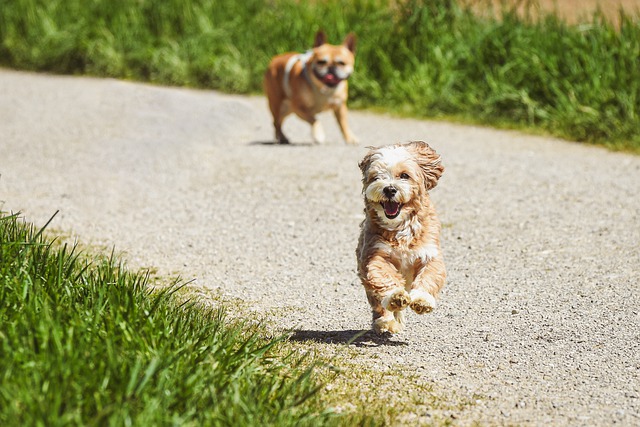
Training a rescue puppy at home is not just about teaching commands; it’s about building trust and understanding. Many new owners encounter challenges due to the puppy’s past experiences and behavior issues stemming from neglect or trauma. It’s crucial to approach training with empathy and patience, ensuring that your puppy feels safe and secure in their new environment.
Common pitfalls include rushing the training process or using negative reinforcement, which can damage the bond between you and your puppy. Instead, prioritize positive reinforcement techniques, which encourage good behavior through rewards. This method not only enhances learning but also fosters a loving relationship between you and your new companion.
Understanding Your Rescue Puppy
Before diving into training, it’s essential to understand the unique background of your rescue puppy. Many of these dogs come with a history that may affect their behavior, such as fear or anxiety stemming from past trauma. Recognizing these traits can help you tailor your training approach.
Be aware that rescue puppies may take longer to adjust to their new home and may require more patience than a typical puppy. Establishing a routine can help them feel more secure. It’s also important to observe their body language and respond appropriately to their needs, which can include giving them space or comforting them when they seem anxious.
Creating a Safe Training Environment
A safe and distraction-free environment is crucial for effective training. Designate a specific area in your home where training sessions will take place. This space should be free from distractions and equipped with essential training tools such as treats, toys, and a leash.
Consistency is key in this phase. Use the same commands and rewards each time to reinforce learning. Additionally, ensure that your puppy has a comfortable space to retreat to when feeling overwhelmed. This not only aids in their comfort but also helps them associate training with a positive experience.
Basic Commands to Teach
Start with simple commands like “sit,” “stay,” and “come.” These foundational commands are essential for safety and can significantly improve your puppy’s behavior. When teaching these commands, use positive reinforcement methods such as treats or praise to encourage compliance.
Consider breaking down commands into smaller steps to avoid overwhelming your puppy. For example, when teaching “sit,” reward your puppy for any attempt to lower their bottom to the ground, gradually shaping the behavior you want. This method builds their confidence and understanding as they learn.
Addressing Common Behavioral Issues
Many rescue puppies may exhibit behavioral issues such as excessive barking, chewing, or fear of certain environments. Recognizing these behaviors as communication is crucial in addressing them effectively.
For instance, if your puppy barks excessively, it may be a sign of anxiety or a need for attention. Instead of scolding, evaluate the underlying reason and provide appropriate outlets for their energy, such as increased exercise or mental stimulation. Training should be viewed as a lifelong process, with constant adjustments made based on your puppy’s evolving needs.
Further Reading
Authoritative Sources
- American Kennel Club
akc.orgTrusted dog training, behavior, breed, and puppy care guidance.
- American Veterinary Medical Association
avma.orgVeterinary guidance and animal health resources from a major professional association.
- ASPCA Pet Care
aspca.orgAnimal care, behavior, and safety resources for pet owners.
- Merck Veterinary Manual
merckvetmanual.comDetailed veterinary reference material on animal conditions, care, and treatment topics.
- AAHA for Pet Owners
aaha.orgPet owner guidance from the American Animal Hospital Association.
Frequently Asked Questions
What is the best age to start training a rescue puppy?
It’s best to start training as soon as you bring your puppy home, regardless of age. Early socialization and basic training can help prevent behavioral issues later on.
How long should training sessions last?
Keep training sessions short and engaging, ideally 5-10 minutes, especially for younger puppies. This helps maintain their attention and enthusiasm.
Can I use negative reinforcement?
Negative reinforcement is not recommended, especially for rescue puppies. It can lead to fear and anxiety, damaging the bond between you and your pet.
How can I help my puppy with anxiety?
Provide a safe space, use calming aids, and ensure they have plenty of exercise. Gradual exposure to new environments can also help build their confidence.
What if my puppy isn’t responding to training?
If your puppy is not responding, reassess your training methods. Ensure the environment is distraction-free and consider consulting a professional trainer for additional support.
Conclusion
Successfully training a rescue puppy at home requires patience, understanding, and a commitment to positive reinforcement techniques. Focus on building trust and a secure environment that accommodates your puppy’s specific needs. Prioritize basic commands and address behavioral issues with empathy to foster a lasting bond. Remember, training is an ongoing journey, and adapting your methods as your puppy grows will lead to a well-adjusted and happy companion.