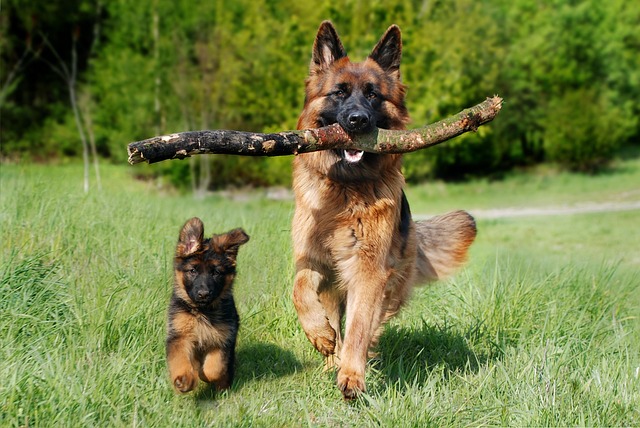
Starting puppy training at the right age is crucial for shaping your dog’s future behavior. Generally, the best time to begin training is between 8 to 16 weeks. This period is when puppies are most receptive to learning and can quickly absorb new commands and social skills. Early training lays the foundation for good habits and helps prevent undesirable behaviors from developing later.
Many new puppy owners mistakenly believe they can wait until their dog is older to start training. However, delaying this vital process can lead to challenges in behavior management as the dog grows. Puppies that miss this critical learning window may struggle with socialization, leading to anxiety and aggression issues. Therefore, understanding the importance of starting early is essential for fostering a well-adjusted pet.
Understanding Puppy Development Stages
Puppies undergo various developmental stages that influence their learning capacity. From birth to 8 weeks, they are primarily focused on survival and bonding with their mother. The crucial socialization window occurs between 3 to 14 weeks, where they are highly adaptable to new experiences, people, and environments. This is the optimal time to introduce training.
Many owners overlook the significance of these stages, assuming that dogs will naturally learn behaviors as they grow. However, the reality is that early experiences shape a puppy’s personality and behavior. Ignoring this can result in a dog that is fearful or overly aggressive in unfamiliar situations. Investing time and effort during this formative period is essential.
The Importance of Early Socialization
Socialization is a key component of puppy training. It involves exposing your puppy to a variety of people, environments, and other animals. This exposure helps them develop confidence and reduces the likelihood of fear-based behaviors later in life. Socialization should begin as soon as you bring your puppy home, ideally around 8 weeks.
Failing to socialize your puppy adequately can lead to long-term behavioral issues. Dogs that lack social experiences may be more prone to anxiety, aggression, or fearfulness. A well-socialized puppy is not only easier to train but also becomes a more enjoyable companion. Prioritize positive experiences during this critical period to foster a balanced adult dog.
Common Training Mistakes to Avoid
Many owners make errors that can hinder their puppy’s training progress. One common mistake is using inconsistent commands or cues, which confuses the puppy and slows learning. Another pitfall is failing to reward good behavior promptly, which can diminish the effectiveness of positive reinforcement.
Additionally, some owners may unknowingly reinforce bad behavior by giving attention to their puppy when they misbehave. This can perpetuate undesirable actions. To ensure successful training, maintain consistency in commands, reward good behavior immediately, and avoid reinforcing negative actions. Understanding these pitfalls can help you navigate the training process more effectively.
Tailoring Training to Your Puppy’s Needs
Every puppy is unique, and training should reflect their individual personality and learning style. Some puppies may respond well to structured training sessions, while others might thrive in more relaxed environments. Consider your puppy’s energy levels, temperament, and previous experiences when designing your training approach.
Be flexible and willing to adjust your methods based on your puppy’s progress. If a particular technique isn’t working, don’t hesitate to try something new. This adaptability is crucial for building a strong bond with your puppy and ensuring effective training outcomes. Remember, patience and understanding go a long way in developing a well-trained companion.
Further Reading
For additional insights into puppy training and development, consider exploring resources from reputable organizations such as the American Kennel Club or the Association of Professional Dog Trainers. These organizations offer valuable information on training techniques and best practices.
Further Reading
Authoritative Sources
- Ready.gov
ready.govOfficial U.S. preparedness guidance, checklists, and planning resources for households and emergencies.
- FEMA
fema.govFederal emergency management resources, disaster planning information, and recovery guidance.
- American Red Cross Emergency Preparedness
redcross.orgPractical emergency preparation steps, supply lists, and safety guidance for families.
- National Weather Service
weather.govOfficial forecasts, hazard alerts, and weather safety information.
- CDC Emergency Preparedness and Response
cdc.govPublic health guidance for emergencies, disasters, and recovery situations.
Frequently Asked Questions
What is the best age to start training my puppy?
The ideal age to start training your puppy is between 8 to 16 weeks, as they are most receptive to learning during this period.
How long should training sessions be for puppies?
Training sessions should be short, about 5 to 10 minutes, to hold your puppy’s attention and keep them engaged.
Can I train an older puppy or adult dog?
Yes, older puppies and adult dogs can be trained, but it may require more time and patience compared to younger puppies.
What are the signs of a well-trained puppy?
A well-trained puppy will respond consistently to commands, exhibit good behavior in various situations, and show confidence around people and other animals.
How can I help my puppy socialize properly?
Expose your puppy to different environments, people, and other animals in a positive and controlled manner to ensure proper socialization.
Conclusion
In summary, the best age to start puppy training is between 8 to 16 weeks, when your puppy is most open to learning. Early training and socialization are critical for developing a well-behaved dog. Avoid common training mistakes and tailor your approach to your puppy’s individual needs for the best results. By prioritizing these aspects, you will set your puppy on a path to becoming a confident and well-adjusted companion.