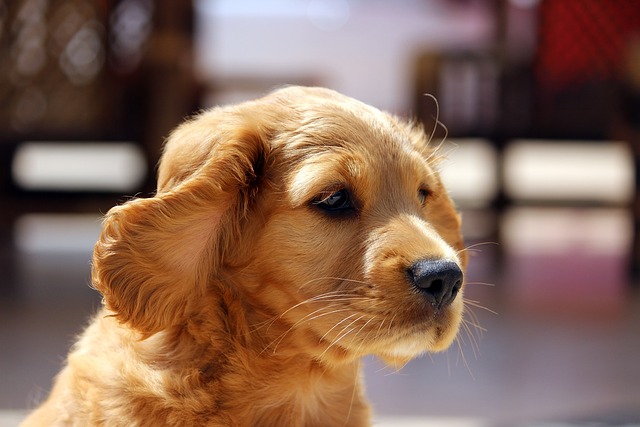
Puppy jumping on guests is a common behavior that can lead to awkward encounters and even injuries. Managing this behavior effectively requires a combination of training techniques, consistency, and understanding the motivations behind your puppy’s enthusiasm. It’s important to recognize that jumping is often a sign of excitement and eagerness to greet people, but without intervention, it can become an unwanted habit that alienates guests and disrupts social interactions.
Many pet owners mistakenly think that scolding or punishing their puppy will solve the jumping issue. However, this approach often backfires, leading to confusion and anxiety for the dog. Instead, a more effective strategy involves redirecting that energy into acceptable behaviors. Understanding the stakes—both for your puppy’s socialization and your guests’ comfort—helps prioritize training methods that are humane, effective, and ultimately strengthen the bond between you and your pet.
To navigate this challenge, you’ll want to adopt a multi-faceted approach that includes setting realistic expectations based on your puppy’s age, breed, and temperament. Different factors such as your living situation, the frequency of guests, and your own training skills will influence how you implement these strategies. In a busy household, for instance, it may be necessary to establish a more structured routine, while a quieter environment may afford you the flexibility to focus on one-on-one training sessions.
Understanding the Behavior: Why Puppies Jump
Puppy jumping is often rooted in natural instincts. For young dogs, jumping is a way to engage with their environment, express excitement, and seek attention. Puppies may jump to greet people at their eye level, signaling enthusiasm or a desire for interaction. Understanding this behavior is crucial before attempting to correct it.
Recognizing the underlying motivations can help you choose appropriate interventions. For example, if your puppy is jumping because they are seeking affection, simply redirecting that energy can lead to a more positive outcome. However, many owners mistakenly believe that their puppy should be reprimanded for jumping, which can create confusion. Instead, focus on teaching alternative greetings that fulfill your puppy’s social needs without disrupting your guests.
Setting Up for Success: Environment and Training
Creating an environment that discourages jumping begins with preparation. Before guests arrive, ensure that your puppy has had ample exercise to reduce excess energy. A tired puppy is less likely to jump out of excitement. Additionally, consider using gates or leashes to manage your puppy’s access to guests initially. This setup helps you control the situation and allows for more focused training.
Another critical aspect is to educate your guests about how to interact with your puppy. If they are aware that jumping is an issue and know how to respond properly—like ignoring the behavior or rewarding calmness—they can help reinforce your training efforts. However, be mindful that not all guests will be comfortable with dogs, so it’s essential to gauge their reactions and adapt accordingly.
Training Techniques: Redirecting the Energy
To effectively manage puppy jumping, redirecting that energy toward more acceptable behaviors is key. One popular technique is teaching your puppy to sit when guests arrive. This not only provides an alternative to jumping but also creates a calm greeting routine. When guests come to the door, guide your puppy into a sit and reward them for staying in that position.
Incorporating toys or treats can also serve as a distraction. For instance, having a designated toy that your puppy loves can help redirect their excitement. When guests arrive, present the toy to your puppy to focus their attention elsewhere. Consistency in these techniques is essential; if you allow jumping sometimes, it may confuse your puppy about what behavior is acceptable.
Consistency is Key: Reinforcement Strategies
Consistency in training is critical for long-term success. This means everyone in your household must use the same commands and methods when interacting with your puppy. Mixed signals can lead to confusion and hinder progress. Establish clear rules about how your puppy should behave when guests arrive and ensure that all family members adhere to these guidelines.
Positive reinforcement is a powerful tool in this process. Rewarding your puppy for calm behavior, such as sitting or staying, reinforces the actions you want to encourage. Use treats, praise, or affection as rewards, and deliver them immediately after the desired behavior occurs to strengthen the connection. Remember, patience is vital; behavior change takes time, especially in young puppies.
For those looking to delve deeper into effective puppy training techniques, consider exploring reputable resources such as training manuals or professional dog training websites. These can provide additional insights and methods tailored to your puppy’s specific needs.
Frequently Asked Questions
How long does it take to stop my puppy from jumping on guests?
The time it takes to curb jumping behavior varies by puppy. With consistent training and practice, you may see improvement within a few weeks.
Should I punish my puppy for jumping?
Instead of punishment, focus on redirecting the behavior. Positive reinforcement for calm behavior is more effective than negative responses.
Is it normal for puppies to jump on everyone?
Yes, jumping is a common behavior in puppies, as they are often eager to greet people. Understanding this can help you manage the behavior more effectively.
Can I train an older dog not to jump?
Yes, older dogs can learn to stop jumping, though it may take more time and patience compared to puppies. Consistent training is crucial.
What should I do if my puppy jumps on someone who is afraid of dogs?
If a guest is uncomfortable, immediately remove your puppy from the situation to ensure everyone feels safe. Gradually introduce your puppy to different people when they are calm.
Conclusion
Stopping your puppy from jumping on guests is a process that requires understanding, preparation, and consistent training. By redirecting your puppy’s energy and reinforcing calm behaviors, you can create a more pleasant environment for both your guests and your furry friend. Prioritize establishing clear rules and involve your guests in the training process to foster a supportive atmosphere. With time, patience, and dedication, you’ll cultivate a well-mannered puppy that greets guests with calm enthusiasm rather than chaotic jumping.