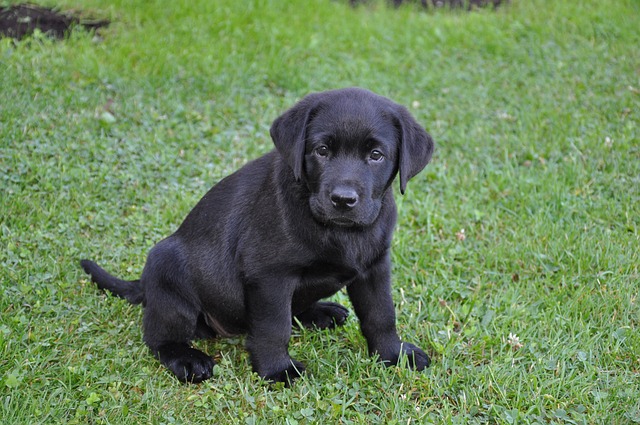
Accidents after training can be frustrating for new puppy owners. Understanding why your puppy has accidents even after training is essential for addressing the issue effectively. Common reasons include stress, medical conditions, and inconsistent routines that can disrupt your puppy’s progress.
Many owners mistakenly believe that once training is complete, the problem will resolve itself. However, several factors can influence a puppy’s behavior, leading to setbacks. It’s crucial to assess your puppy’s environment, health, and emotional state to pinpoint the root causes of these accidents.
Common Medical Issues
Puppies may have accidents due to underlying health problems, such as urinary tract infections or gastrointestinal issues. These conditions can cause frequent urination or diarrhea, making it difficult for your puppy to control their bladder or bowels.
It’s essential to consult a veterinarian if your puppy continues to have accidents despite consistent training. Early diagnosis and treatment can help prevent further complications and ensure your puppy’s health. Owners often overlook medical issues, attributing accidents solely to behavioral problems. Understanding this connection is vital for effective training.
Environmental Factors
Changes in the environment can significantly impact a puppy’s behavior. New sounds, smells, or even the presence of unfamiliar people or pets can create anxiety. This stress can lead to accidents, as puppies may not feel comfortable enough to relieve themselves outside.
To mitigate this, try to provide a stable and calm environment. Gradually introduce your puppy to new situations and monitor their reactions. Keeping a consistent routine can also help them feel secure and reduce the likelihood of accidents.
Behavioral Considerations
Sometimes, accidents are linked to behavioral issues such as separation anxiety or fear. When left alone, a puppy may feel stressed and resort to eliminating indoors. Understanding your puppy’s emotional state is crucial in addressing these accidents.
Consider implementing training techniques that focus on building confidence and reducing anxiety. Gradual desensitization and positive reinforcement can help your puppy learn to manage their fears and develop better potty habits.
Training Techniques to Revisit
Reassessing your training methods can also be beneficial. Inconsistent commands or reinforcement can confuse your puppy, leading to accidents. Ensure that everyone in your household is on the same page regarding training techniques.
Consider revisiting basic commands and routines. Reinforce positive behavior with treats and praise, and avoid punishment for accidents, as this can create fear and worsen the issue. Focus on building a strong bond and trust with your puppy to encourage better behavior.
Further Reading
Authoritative Sources
- American Kennel Club
akc.orgA comprehensive resource for puppy training, health, and behavior
- ASPCA
aspca.orgOffers valuable information on pet care and behavioral issues
- Humane Society
humanesociety.orgProvides resources on training, adoption, and animal welfare
- PetMD
petmd.comA trusted source for pet health information and veterinary advice
Frequently Asked Questions
Why does my puppy still have accidents after training?
Accidents can occur due to medical issues, anxiety, or environmental changes that disrupt their routine.
How can I tell if my puppy has a medical issue?
Look for signs such as frequent urination, straining to urinate, or changes in appetite. Consult a vet if you notice these symptoms.
What should I do if my puppy has an accident indoors?
How can I reduce my puppy’s anxiety?
Remain calm and clean the area thoroughly to remove odors. Avoid punishment, as this can increase anxiety.
Can changes in my routine affect my puppy’s potty habits?
Yes, changes such as moving to a new home or having guests can create stress and lead to accidents.
What training techniques should I revise?
Ensure consistency in commands and routines, and use positive reinforcement to encourage good behavior.