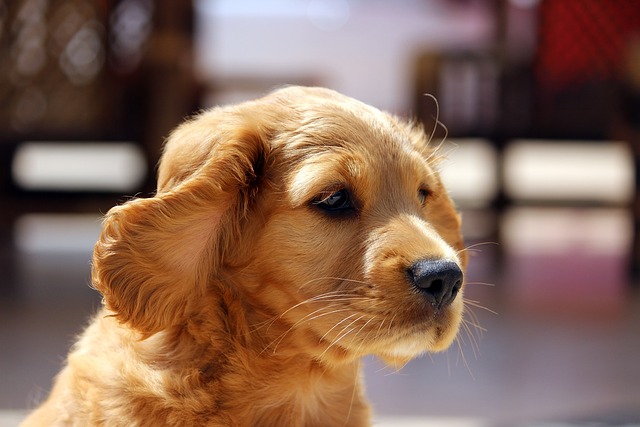
Many new puppy owners underestimate the significance of this command, often jumping straight into more complex training. However, skipping foundational commands can lead to confusion and frustration for both the owner and the puppy. ‘Sit’ is not just a trick; it’s a stepping stone to a well-behaved dog.
The Importance of the ‘Sit’ Command
Understanding the ‘sit’ command’s role is vital for any dog owner. This command serves multiple purposes, including promoting calmness and reducing hyperactivity. When a puppy learns to sit, it gains an understanding of impulse control, which is essential for their development.
Many owners find that a well-timed ‘sit’ can prevent unwanted behaviors, like jumping on guests or begging for food. Moreover, mastering this command builds your puppy’s confidence, creating a solid base for learning additional commands and tricks.
Common Mistakes in Teaching ‘Sit’
While teaching ‘sit’ might seem straightforward, many owners make critical errors that hinder progress. One common mistake is inconsistency. If you use the command sporadically or fail to reward your puppy promptly, it can confuse them.
Another mistake is rushing the training process. Puppies need patience and repetition to fully grasp commands. Skipping this foundational step can lead to behavioral issues later on. Prioritize consistency and patience to set your puppy up for success.
How to Teach ‘Sit’ Effectively
Teaching your puppy to sit involves a few simple steps. Start by holding a treat close to your puppy’s nose and slowly moving it upwards. As they follow the treat with their eyes, their bottom will naturally lower to the ground. As soon as they sit, immediately reward them with the treat and praise.
It’s essential to practice this command in various environments to help your puppy generalize the behavior. Start in a quiet space, then gradually introduce distractions, ensuring your puppy can respond reliably to the command.
Building on ‘Sit’ for Advanced Training
Once your puppy has mastered the ‘sit’ command, you can build on this foundation to teach more advanced commands. For example, incorporating ‘stay’ and ‘come’ will enhance their obedience and responsiveness.
Using ‘sit’ as a precursor to these commands can help your puppy understand that following commands leads to positive outcomes. Consistent reinforcement and practice will solidify these behaviors, turning your puppy into a well-rounded companion.
Further Reading
Authoritative Sources
- American Kennel Club
akc.orgTrusted dog training, behavior, breed, and puppy care guidance.
- American Veterinary Medical Association
avma.orgVeterinary guidance and animal health resources from a major professional association.
- ASPCA Pet Care
aspca.orgAnimal care, behavior, and safety resources for pet owners.
- Merck Veterinary Manual
merckvetmanual.comDetailed veterinary reference material on animal conditions, care, and treatment topics.
- AAHA for Pet Owners
aaha.orgPet owner guidance from the American Animal Hospital Association.
Frequently Asked Questions
What age should I start teaching my puppy to sit?
You can start teaching your puppy to sit as early as 8 weeks old.
How long should training sessions be?
Keep training sessions short, around 5-10 minutes, to maintain your puppy’s attention.
What should I do if my puppy doesn’t sit?
If your puppy doesn’t sit, ensure you’re using enticing treats and be patient; it may take time.
Can I teach my puppy to sit using only verbal commands?
It’s helpful to use both verbal commands and hand signals for better understanding.
How often should I practice the ‘sit’ command?
Practice the ‘sit’ command several times a day, incorporating it into daily routines.
Conclusion
All in all, the ‘sit’ command is the cornerstone of puppy training and should be prioritized by all dog owners. By establishing this foundational command, you set your puppy on a path towards better behavior and obedience. Remember to be patient, consistent, and positive during training sessions, as these attributes will ensure a successful learning experience. Start with ‘sit’ and watch as your puppy transforms into a well-behaved companion.