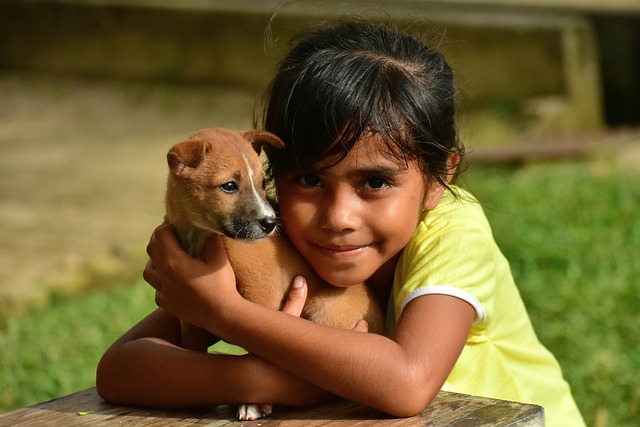
Training a puppy to stay home alone calmly is essential for fostering a sense of security and independence. It not only benefits the puppy but also provides peace of mind for owners, knowing their furry friend is comfortable while they are away. The key to success lies in gradual exposure, positive reinforcement, and creating a safe environment that minimizes anxiety.
Many owners mistakenly believe that simply leaving their puppy alone will teach them to cope with solitude. However, this approach often leads to increased anxiety and behavioral issues. Instead, it’s vital to understand the emotional state of your puppy and the importance of building their confidence over time. Start with short absences and gradually increase the duration, ensuring that your puppy associates your departures with positive experiences.
Understanding Puppy Anxiety
Recognizing the signs of anxiety in puppies is the first step toward effective training. Puppies can exhibit various behaviors when left alone, such as barking, whining, or destructive actions. Understanding these behaviors can help you create a tailored approach to training. It’s important to realize that anxiety is often rooted in insecurity and lack of familiarity with being alone.
Many owners overlook the significance of early socialization and exposure to different environments. Without proper experiences, puppies may develop separation anxiety. Therefore, it’s crucial to expose them to various situations, sounds, and people while you are present, which can help them build confidence.
Creating a Comfortable Environment
A calming environment is essential for your puppy’s comfort when home alone. Designate a safe space with their bed, toys, and access to water. Consider using a crate if your puppy is crate trained, as this can provide a secure den-like space for them. Additionally, incorporating familiar scents, like a piece of your clothing, can help soothe them.
Another aspect to consider is the use of background noise. Leaving a radio or a white noise machine can mask external sounds that may trigger anxiety. Ensuring that your puppy has engaging toys can also keep them occupied and distracted while you are away.
Gradual Training Techniques
Starting with short periods of separation is key to training your puppy to be alone. Begin by leaving your puppy for just a few minutes and gradually increase this time as they become more comfortable. This gradual exposure helps them learn that you will return, diminishing their anxiety about being left alone.
During these training sessions, it’s crucial to remain calm and avoid dramatic goodbyes or overly enthusiastic reunions, as this can heighten anxiety. Instead, keep departures and arrivals low-key, reinforcing that it is a normal part of daily life.
Using Positive Reinforcement
Positive reinforcement is a powerful tool in training your puppy to stay home alone calmly. Reward your puppy with treats or praise when they display calm behavior during your absences. This reinforces the idea that being alone is a positive experience.
Incorporate training into your daily routine by rewarding your puppy when they enter their safe space or remain calm during your practice departures. Consistency is vital; the more you reinforce these behaviors, the more your puppy will associate being alone with positive outcomes.
Common Mistakes to Avoid
Many owners inadvertently create anxiety in their puppies by rushing the training process or failing to establish a routine. It’s important to recognize that each puppy is unique and may require varying amounts of time to adjust to being alone. Avoid leaving your puppy alone for extended periods too soon, as this can lead to setbacks.
Another common mistake is neglecting to provide sufficient mental and physical stimulation. Puppies require regular exercise and playtime to expend their energy. A tired puppy is generally more relaxed when left alone, so ensure they have ample opportunity to burn off energy before your absences.
Further Reading
Authoritative Sources
- American Kennel Club
akc.orgA valuable resource for dog training tips and understanding canine behavior
- ASPCA
aspca.orgOffers insights into pet care and behavioral issues, including separation anxiety
Frequently Asked Questions
What age should I start training my puppy to stay home alone?
Begin training as soon as your puppy is settled in your home, typically around 8 weeks old.
How long can a puppy be left alone?
Puppies can generally hold their bladder for one hour for each month of age, but it’s best to gradually increase alone time.
What should I do if my puppy cries when left alone?
Reassure your puppy by using calming techniques, but avoid giving in to their cries, as this can reinforce the behavior.
Are there any products that can help with separation anxiety?
Consider using calming collars, pheromone diffusers, or anxiety wraps to help soothe your puppy.
How can I tell if my puppy is adjusting well to being alone?
Look for signs of calm behavior, such as resting or playing with toys, rather than barking or destructive behavior.