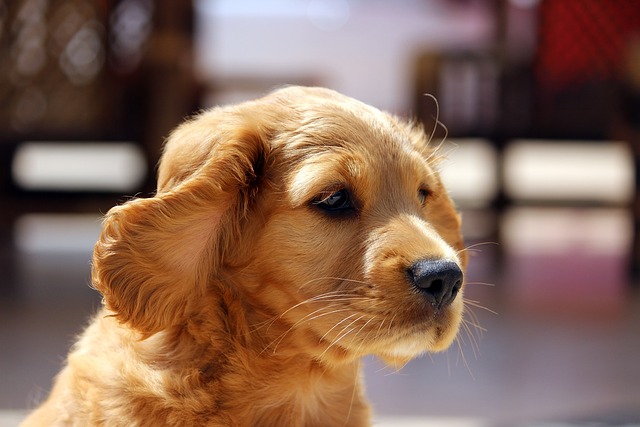
Potty training a puppy without a crate can be a rewarding experience when approached correctly. This method emphasizes freedom and trust, allowing your puppy to learn in a more natural environment. To succeed, it’s essential to establish clear routines and recognize your puppy’s signals, promoting positive habits without the confines of a crate.
Many owners mistakenly believe that crating is the only effective method for potty training. However, this approach can lead to unnecessary stress for both the puppy and the owner. A crate can be useful, but it’s not the only path to success. Understanding your puppy’s needs and behaviors is crucial for a successful potty training journey.
Understanding Your Puppy’s Needs
Every puppy has its unique personality and needs. Recognizing these traits is vital for effective potty training. Puppies typically need to relieve themselves after eating, drinking, playing, or waking up. Observing these natural behaviors and responding promptly can significantly reduce accidents indoors.
Many owners overlook the importance of understanding their puppy’s body language. Signs such as sniffing around or circling can indicate the need to go outside. By familiarizing yourself with these signals, you can prevent mishaps and encourage timely potty breaks, making training smoother.
Establishing a Potty Routine
Consistency is the cornerstone of effective potty training. Establishing a regular schedule for bathroom breaks helps your puppy learn when and where to go. Aim for frequent outings, especially during the first few weeks, to reinforce good habits.
Consider setting specific times for potty breaks, such as after meals, during playtime, and before bedtime. This routine not only helps in building a habit but also helps you gauge when your puppy is likely to need to go. Be prepared for variations based on your puppy’s age and breed.
Positive Reinforcement Techniques
Positive reinforcement is one of the most effective training methods. When your puppy successfully goes potty outside, immediately praise them and offer a treat. This creates a positive association with the act of going outside.
Be mindful of your timing; rewards should be given right after the act, not later. This immediate reinforcement helps your puppy connect the behavior with the reward. Over time, you can gradually reduce treats while maintaining verbal praise to encourage continued success.
Handling Accidents Gracefully
Accidents will happen; it’s a part of the learning process. The key is to remain calm and avoid scolding your puppy, as this can create fear and anxiety around potty training. Instead, clean the area thoroughly to eliminate odors that may attract them back to the same spot.
Consider using enzymatic cleaners to effectively remove any lingering scents. This proactive approach not only helps maintain a clean environment but also teaches your puppy that going potty outdoors is the preferred behavior.
Further Reading
Authoritative Sources
- Potty Training a Puppy: How to House …
akc.orgLearn how to potty train your puppy with these tips. These three tried-and-true methods will help you housetrain your dog.
- Successful Potty Training Without Crates | Tips That Work
doggybathroom.comTeach your dog to potty train without crates using simple routines, positive reinforcement, and a designated indoor potty spot for stress-free success.
- How To Potty Train A Puppy Without A Crate: Practical Ways
suburban-k9.comTake things slow and steady. Start by adding 15 minutes each night to the time between potty breaks until you reach a 7 to 8-hour gap. As your …
- Never Too Late: How to Potty Train an Older Dog Without a …
porchpotty.comStep 1: Start with a consistent routine · Step 2: Take your dog outside after meals, naps, and playtime · Step 3: Watch for signs that your dog needs to go potty.
- Not using a crate to housetrain
thelabradorforum.comIt's not really possible to fix toilet training problems without the use of a crate. Full stop. You might get lucky and not need one, but …
- Ready.gov
ready.govOfficial U.S. preparedness guidance, checklists, and planning resources for households and emergencies.
- FEMA
fema.govFederal emergency management resources, disaster planning information, and recovery guidance.
Frequently Asked Questions
What should I do if my puppy has accidents indoors?
Remain calm and clean the area thoroughly. Avoid punishment, as it can create fear. Instead, focus on reinforcing outdoor potty habits.
How often should I take my puppy outside?
Take your puppy out every 1-2 hours, especially after eating, drinking, or playing. Adjust based on your puppy’s age and needs.
Can older puppies be trained without a crate?
Yes, older puppies can be trained without a crate. Consistency and positive reinforcement are key to success, regardless of age.
What if my puppy refuses to go outside?
Ensure the outdoor area is comfortable and safe. If they still refuse, try taking them out at different times or locations until they feel comfortable.
How long does it take to potty train a puppy?
Potty training can take several weeks to months, depending on the puppy’s age, breed, and consistency of training methods.
Conclusion
Successfully potty training a puppy without a crate involves understanding your puppy’s needs, establishing a routine, and employing positive reinforcement techniques. It’s essential to be patient and consistent, as every puppy learns at their own pace. By focusing on these strategies, you’ll foster a trusting relationship with your puppy and encourage good habits that last a lifetime.