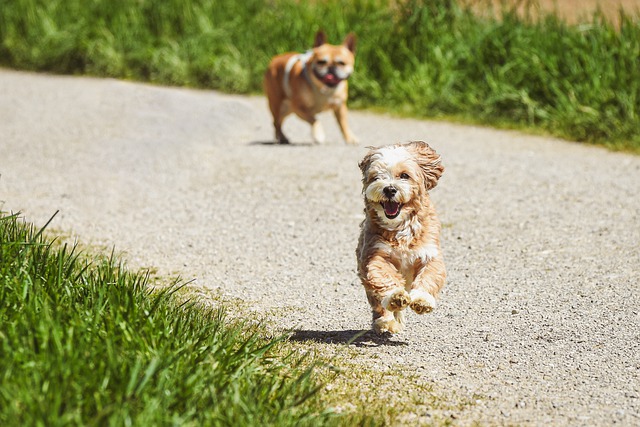
Training a puppy in an apartment setting can be uniquely challenging due to space constraints, noise considerations, and the need for consistent routines. Success hinges on your ability to create a structured environment that fosters learning and adaptation. This involves establishing clear boundaries, utilizing available space efficiently, and recognizing the importance of socialization and exercise even within limited square footage.
Many new puppy owners underestimate the impact of their living environment on training outcomes. Common pitfalls include inconsistent schedules, inadequate exercise, and neglecting to address the puppy’s natural instincts. It’s crucial to prioritize a training approach that accommodates your lifestyle while meeting your puppy’s needs. By understanding the nuances of apartment living, you can set the stage for a well-behaved companion.
Creating a Structured Routine
A structured routine is vital for effective puppy training in an apartment. Puppies thrive on consistency, which helps them learn commands and expectations more quickly. Establish a daily schedule that includes feeding, potty breaks, playtime, and training sessions. This predictability reduces anxiety for both you and your puppy, making the training process smoother.
One common mistake is to overlook the importance of timing. Puppies have small bladders and can become anxious if left alone for too long. Prioritize regular potty breaks and training sessions, especially after meals or playtime. Consider your own schedule as well; if you work long hours, enlist a dog walker or pet sitter to maintain routine and structure.
Utilizing Space Effectively
In an apartment, maximizing the available space is essential for training. Designate a specific area for training that is free from distractions. This could be a quiet corner of your living room or a designated training mat. Using the same space consistently helps your puppy associate it with learning and discipline.
Moreover, consider incorporating vertical space for play and enrichment. Utilize shelves or dog-safe furniture to create an engaging environment. However, be cautious of potential hazards, such as cords or breakable items. Ensure the area is safe and conducive to training, allowing your puppy to explore without risk.
Socialization in an Urban Environment
Socialization is critical for puppies, especially in bustling urban environments. Exposure to different sights, sounds, and people helps them develop confidence and reduces fearfulness. Take your puppy out for short walks, gradually introducing them to various stimuli, such as public transportation, other dogs, and crowds.
However, monitor your puppy’s reactions and avoid overwhelming them. If they show signs of stress, take a step back and allow them to adjust at their own pace. Positive experiences during socialization are crucial; reward calm behavior with treats and praise to reinforce their confidence.
Addressing Common Challenges
Living in an apartment presents unique challenges for puppy training, such as noise sensitivity and limited outdoor access. To address noise-related issues, expose your puppy to various sounds gradually. Play recordings of common urban noises at a low volume, rewarding calm behavior to help them acclimate.
Additionally, ensure your puppy receives adequate exercise, even in a confined space. Engage in interactive play and consider puzzle toys to stimulate their mind. Regular walks are essential, but also explore nearby parks or dog-friendly areas when possible. Balancing indoor activities with outdoor exploration can alleviate pent-up energy and promote better behavior.
Further Reading
Authoritative Sources
- How to Potty Train a Dog When You Live in an Apartment
akc.orgPut the pee pad in one place in the house. Near the door is your best bet for when your dog gets older and will go to the door when they need to …
- Potty Training Your Puppy When You Live In An Apartment
preventivevet.comI've got some tips on how to navigate the potty training process in an apartment setting, along with ways to make it easy for your puppy and convenient for you.
- Training Your Puppy for Apartment Living
hillsproperties.comStick to a Schedule · Train Your Dog Well · Pet-Proof Your Apartment · Block Off Certain Areas · Give Them Their Own Space · Discourage Barking and …
- Expert Secrets for Puppy Training In An Apartment or Condo
howtotrainadreamdog.com1 – Choose The Right Breed · 2 – Set Safe Boundaries · 3 – Puppy Proof Each Space · 4 – Use the Crate or a PlayPen When You're Unable to Supervise · 5 – Have Two …
- How to Raise a Puppy in an Apartment
tlcanimalclinic.comCrate Train Your Puppy … When you live in an apartment or do not have a separate room in your house, you may need to crate train your puppy.
- Apartment Training for Pups
bluebuffalo.comKeep your pup on his leash, especially on crowded, noisy streets. Dog parks are another great place to exercise your pup and teach him socialization skills with …
- American Veterinary Medical Association
avma.orgVeterinary guidance and animal health resources from a major professional association.
Frequently Asked Questions
What are the best training methods for puppies in apartments?
Positive reinforcement methods, such as treats and praise, are highly effective for training puppies in apartments.
How can I manage my puppy’s energy in a small space?
Engage in interactive play, use puzzle toys, and schedule regular walks to help manage your puppy’s energy levels.
What should I do if my puppy is scared of loud noises?
Gradually expose your puppy to various sounds and reward calm behavior to help them acclimate to loud noises.
How often should I train my puppy?
Short, frequent training sessions (5-10 minutes) throughout the day are more effective than longer, infrequent sessions.
Is socialization important for puppies in urban settings?
Yes, socialization is crucial to help puppies adapt to urban life and reduce fear or anxiety in new environments.
Conclusion
Training a puppy in an apartment requires thoughtful strategies that address the unique challenges of urban living. By creating a structured routine, utilizing space effectively, and prioritizing socialization, you can foster a well-adjusted and obedient companion. Remember to be patient and consistent, as successful training is a gradual process that builds a strong bond between you and your puppy.