Puppies are adorable, but they can be a handful. They require a lot of attention and training to become well-behaved dogs. Luckily, with the right approach, you can train your puppy in no time. You’re about to discover five easy steps to train your puppy effectively.
Step 1: Introduction to Puppy Training
The first step is to introduce yourself as the pack leader. Dogs have an innate desire to follow a strong leader, so it’s essential that you establish yourself as one from day one. You should also teach your pup basic commands such as “sit,” “stay,” and “come.” Start by using positive reinforcement techniques like treats or praise when your dog obeys your command.
Step 2: The Importance of Consistency and Patience
Consistency and patience are key to successful puppy training. You need to be consistent in your behavior towards your pup and always follow through on what you say. For example, if you tell your pup not to jump on people, make sure you correct them every time they do it. Additionally, you must be patient during the training process. Remember that your pup is still learning, and progress takes time.
Step 3: Reward-Based Training Methods
Reward-based training methods work best for puppies. This method involves rewarding good behavior with treats, toys, or praise. It helps your pup learn quickly and makes the training process more enjoyable for both of you. Make sure to use positive language and avoid scolding your pup harshly.
Step 4: Common Behavior Problems and How to Address Them
Common behavior problems include chewing, barking excessively, and housebreaking issues. To address these problems, you need to identify the cause and take appropriate action. For instance, if your pup is chewing because they’re teething, give them safe items to chew on. If they’re barking excessively, teach them the “quiet” command. As for housebreaking, crate training works wonders.
Step 5: Tips for Successful Housebreaking
Crate training is an effective way to housetrain your pup. Start by introducing your pup to their crate and making it comfortable for them. Take them outside frequently to relieve themselves, and praise them when they go potty outside. Also, avoid giving them water before bedtime to reduce accidents at night. With consistency and patience, your pup will be fully housetrained in no time.
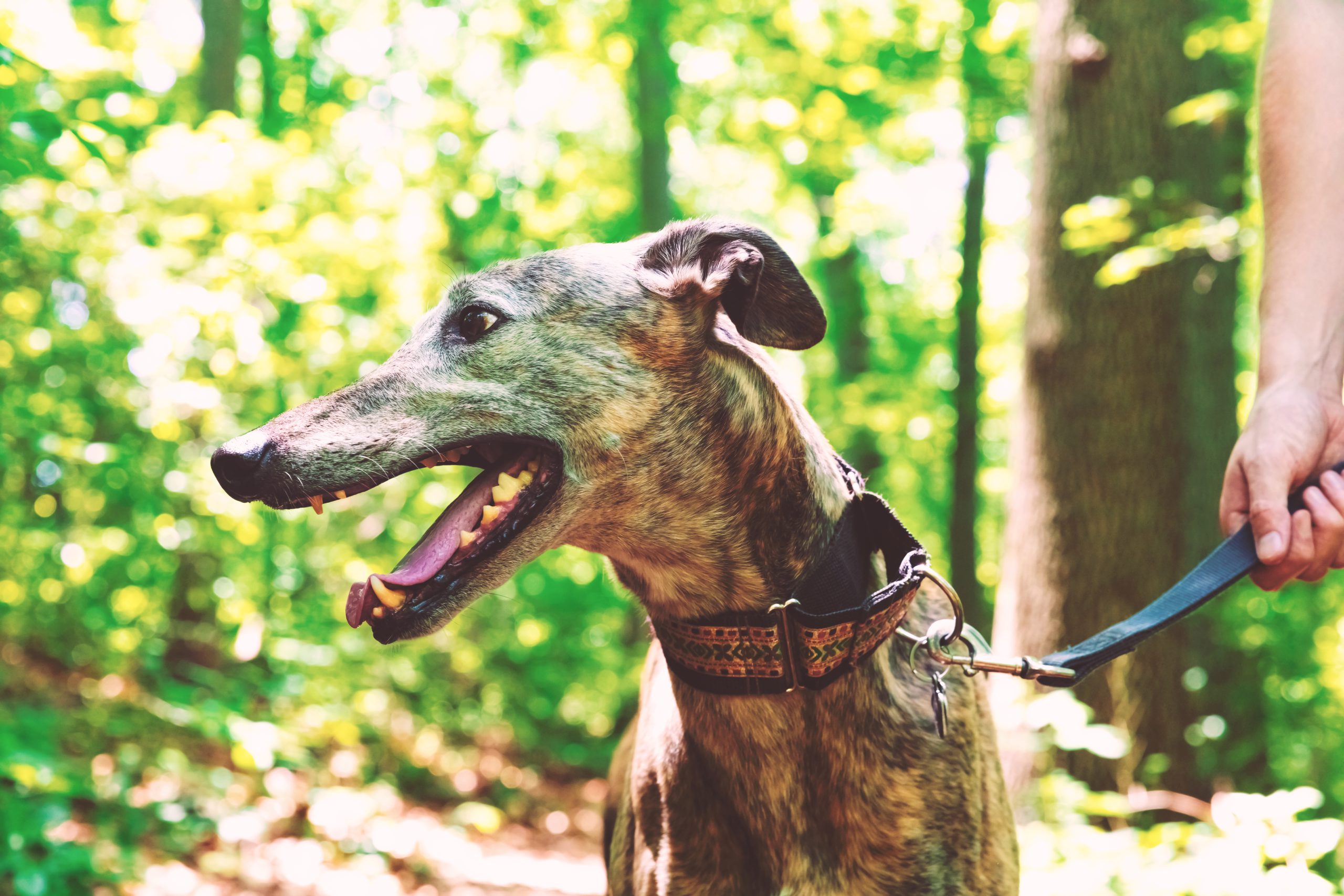
Ultimately, training your puppy requires dedication and effort, but it’s worth it. By following these five easy steps, you can train your pup to be well-mannered and obedient. Remember to stay consistent, patient, and use positive reinforcement techniques. Good luck!