Puppies are adorable, playful and full of energy. They can also be a handful if not trained properly. As a new puppy owner, you may feel overwhelmed with the task of training your furry friend. But fear not! With these 5 tips, you will have your puppy behaving in no time.
Introduction to Puppy Training
The first step to training your puppy is understanding that they need structure and boundaries. You must establish yourself as the pack leader from day one. This means setting rules and enforcing them consistently. Your puppy needs to know who is in charge, and it’s up to you to show him or her.
The Importance of Consistency
Consistency is key when it comes to training your puppy. Every member of the household should follow the same guidelines and use the same commands. If everyone is consistent, your puppy will learn faster and more effectively. It’s essential to reinforce good behavior every chance you get. Reward-Based Training Methods
Reward-based training methods work best for most dogs, including puppies. Whenever your pup does something right, reward them with praise, treats, or toys. Positive reinforcement helps build trust and strengthens the bond between you and your dog. Housebreaking Your Puppy
Housebreaking your puppy takes patience and dedication. Start by taking your puppy outside frequently throughout the day. Use specific words like “go potty” before heading out so your puppy learns what you expect of them. When they do their business, give them lots of praise and rewards. Socialization and Exposure
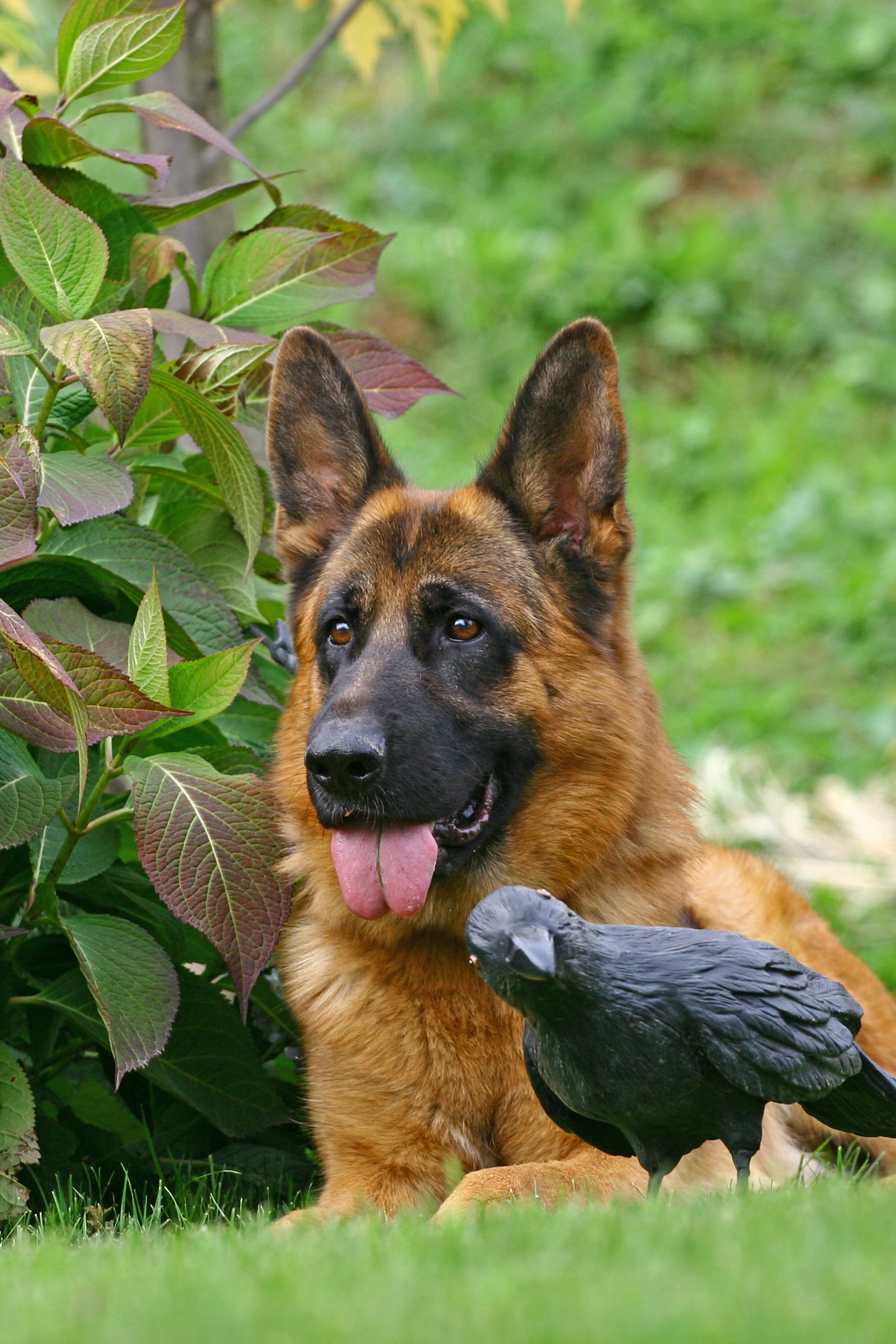
Socializing your puppy early on is crucial to prevent future behavioral issues. Take them to different places and expose them to various sounds, sights, and people. Make sure to keep them away from sick animals or crowded areas until they complete their vaccinations. The goal is to help your puppy become well-adjusted and confident around others.
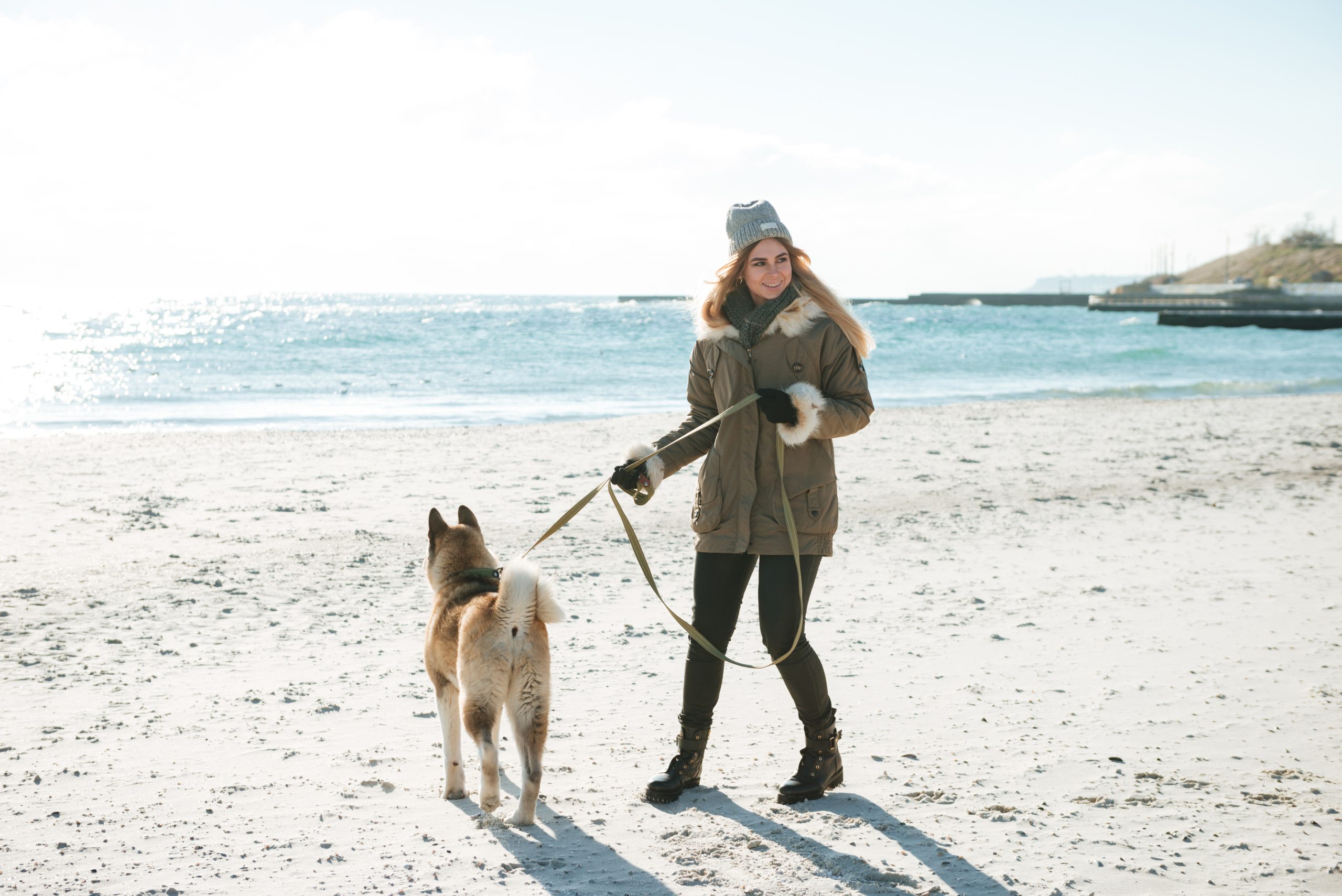
All in all, training your puppy requires effort, but it’s worth it. By following these five tips, you can create a loving and obedient relationship with your four-legged companion. Remember, consistency, positive reinforcement, socialization, and exposure are critical components of successful puppy training.