Puppies are adorable, but they can be a handful. Training your puppy is essential for their well-being and the happiness of your family. In this blog post, we will discuss five easy steps to train your puppy in no time.
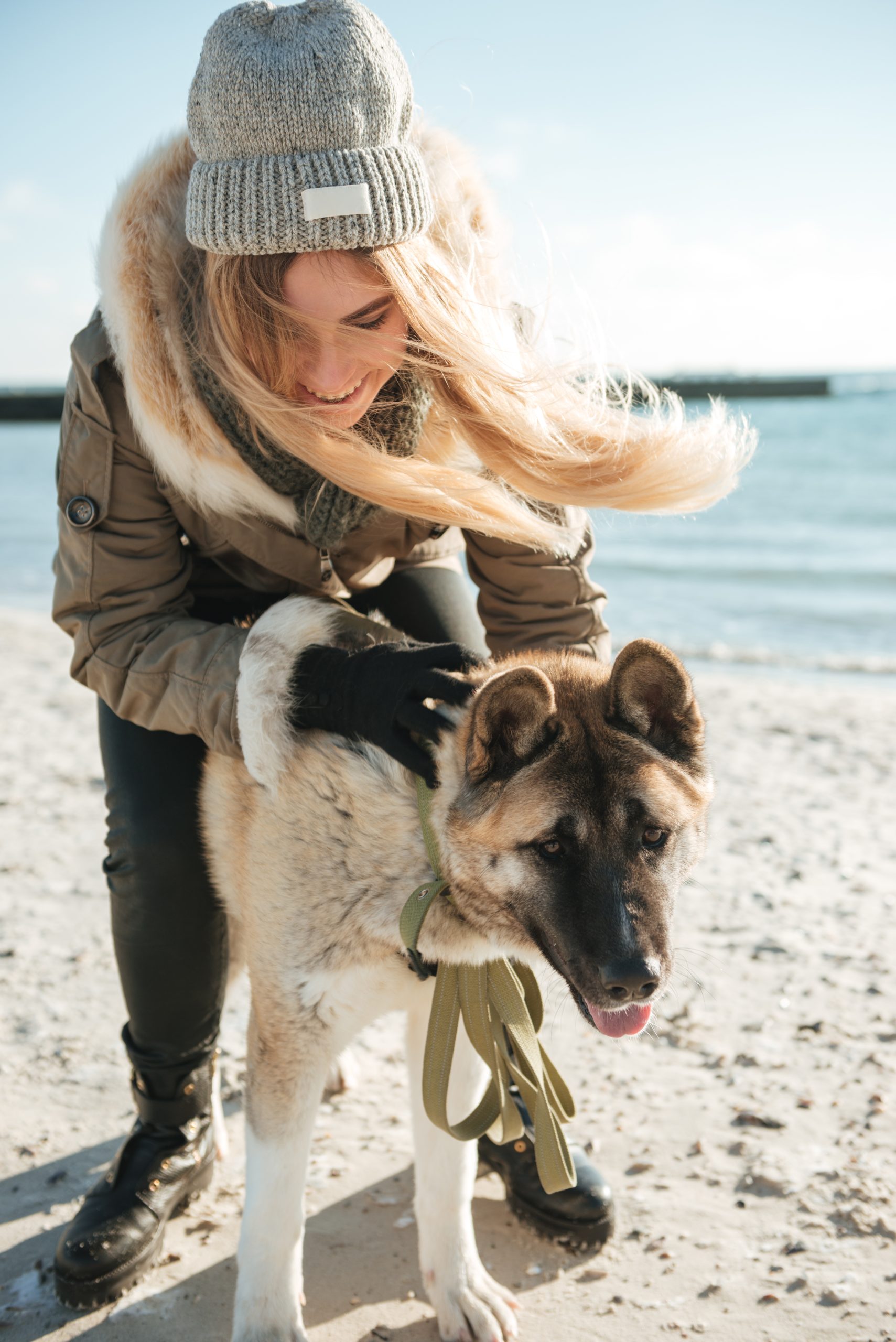
Step 1: Introduction to Puppy Training
The first step in training your puppy is to introduce yourself as the pack leader. You need to establish dominance over your pup from day one. This does not mean you have to be harsh or aggressive; instead, use positive reinforcement techniques such as praise and treats when your puppy behaves correctly. Consistency is key here – always reward good behavior and ignore bad behavior.
Step 2: The Importance of Consistency and Patience
Training your puppy requires consistency and patience. You cannot expect your puppy to learn everything at once. It takes time and effort to teach them new skills. Be patient with your puppy and do not get frustrated if they do not pick up on something right away. Remember that repetition is key – keep practicing until your puppy masters a skill.
Step 3: Teaching Basic Commands
Teaching basic commands like “sit,” “stay,” and “come” is an important part of training your puppy. Start by teaching these commands individually using positive reinforcement techniques. Once your puppy has mastered each command separately, start combining them into more complex exercises. For example, ask your puppy to sit before giving them a treat.
Step 4: Housebreaking Your Puppy
Housebreaking your puppy is crucial for keeping your home clean and preventing accidents. Start by taking your puppy outside every hour and praising them when they go potty. Use a specific phrase like “go pee” or “do your business” to help your puppy associate going potty with the appropriate action. Do not scold your puppy if they have an accident inside – it’s normal for young puppies to make mistakes.
Step 5: Socialization and Exposure
Socializing your puppy is critical for their development. Take them out to different places and expose them to various sounds, sights, and smells. This will help your puppy become confident and comfortable around unfamiliar situations. Avoid exposing your puppy to stressful environments or large crowds until they are fully vaccinated.
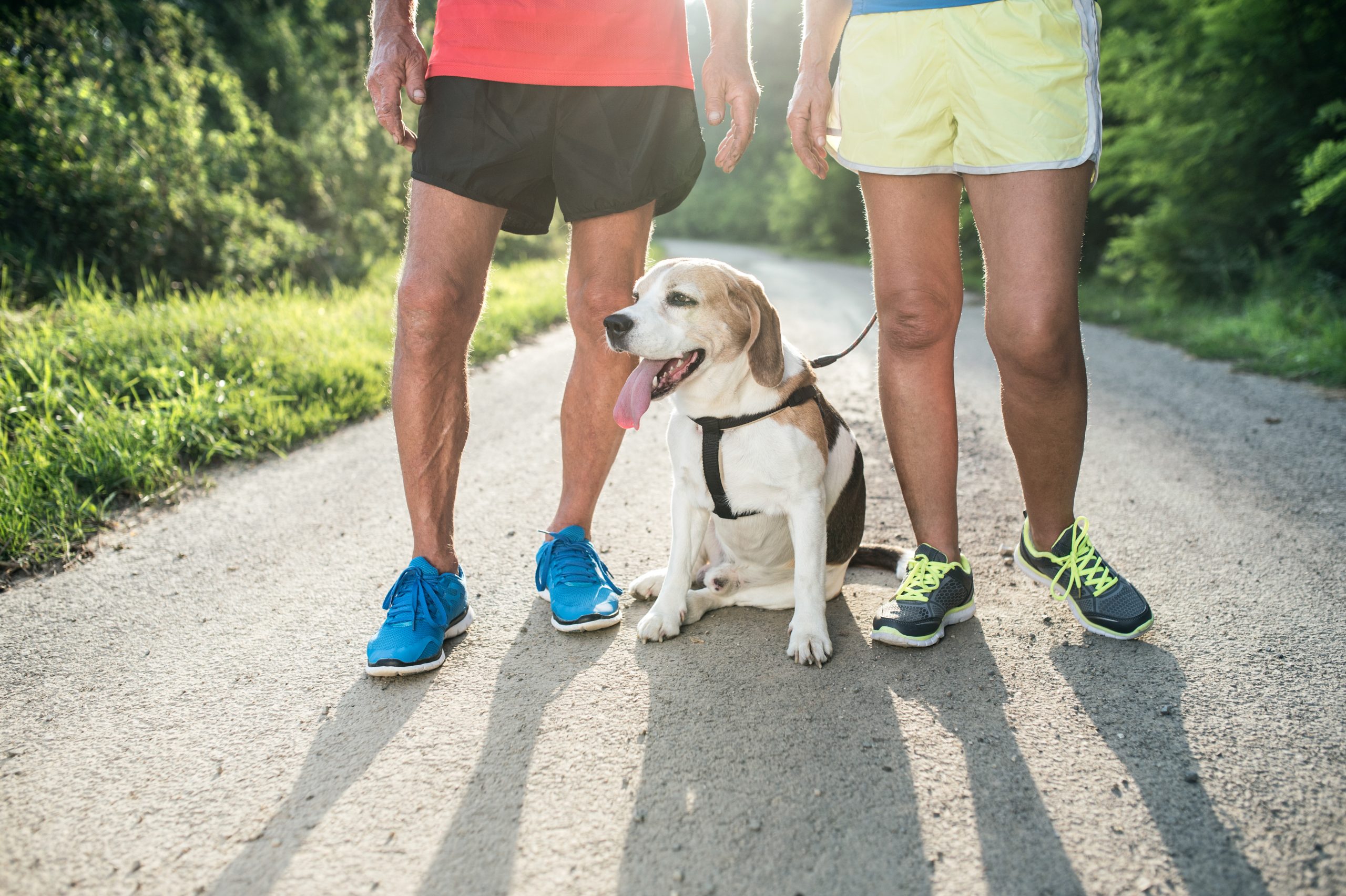
In conclusion, training your puppy may seem daunting, but following these five simple steps can make the process easier and more enjoyable. Always remember to be consistent, patient, and kind towards your furry friend. With dedication and love, you can raise a well-trained and happy dog.